
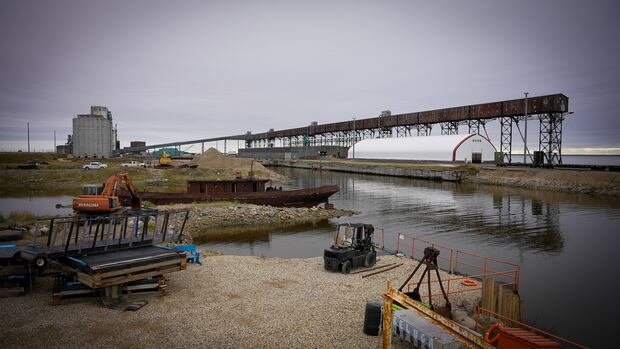
Churchill, Manitoba, has a rich history as a versatile hub, transitioning from a port and military stronghold to a renowned tourist destination dubbed the “polar bear capital of the world.” The town, which boasts attractions like beluga whale watching and the aurora borealis, is now at the center of a significant development project.
The proposed Port of Churchill Plus initiative aims to enhance Canada’s only Arctic deepwater port and rail connection. This project is positioned as a pivotal venture for the nation, facilitating the export of key resources such as liquefied natural gas and critical minerals, while serving as a crucial link for remote Canadian communities.
Local residents are optimistic about the potential for job creation and economic growth but express concerns about the environmental impact on polar bears, beluga whales, and the tourism industry. Stakeholders like David Daley, a longstanding Churchill resident involved in tourism and sled dog racing, are eager for the economic opportunities the project could bring for future generations.
The Port of Churchill Plus proposal seeks to modernize the port and railway system to accommodate exports of various commodities like grain, potash, and crude oil. Additionally, it includes plans for icebreakers, transmission lines to Nunavut, and pipelines to bolster trade connections between Canada and emerging Arctic trade routes to Europe and beyond.
Prime Minister Mark Carney and Minister Rebecca Chartrand have been vocal supporters of the initiative, emphasizing the importance of advancing the Churchill project. The Arctic Gateway Group, a collaborative effort involving First Nations and northern communities, is spearheading the development, aiming to capitalize on changing global trade dynamics.
With climate change impacting sea ice coverage in Hudson Bay, leading to longer periods of open water, stakeholders are aware of the challenges posed by environmental changes. Despite the potential economic benefits, concerns remain about the impact on wildlife and Indigenous communities. Researchers like Fei Wang are studying the effects of climate change on the region and developing strategies to mitigate risks such as oil spills.
Local entrepreneurs, like Erin Greene, who operate tourism ventures in Churchill, express worries about the potential disruption to wildlife habitats from increased commercial activity. Striking a balance between economic growth and environmental preservation is crucial for the sustainable development of the region.
As Churchill navigates this pivotal juncture in its development, community voices are essential in shaping the future of the port expansion project. Balancing economic prosperity with environmental stewardship remains a key challenge, requiring careful consideration and collaboration among all stakeholders involved.

