
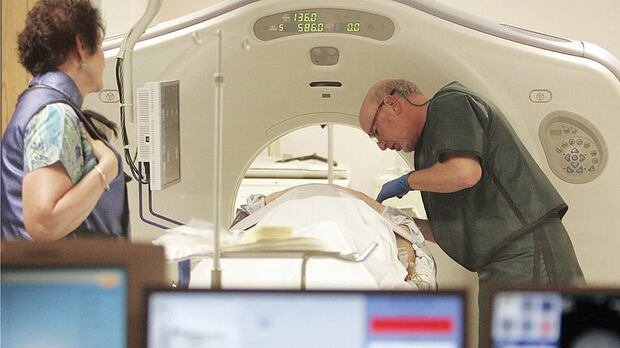
A recent report from The Lancet medical journal predicts a significant increase in cancer cases and deaths globally by 2050. Canada is also expected to witness this trend, emphasizing the urgency for healthcare systems to prepare for the surge to prevent unnecessary deaths and healthcare costs.
In 2023, there were 18.5 million new cancer cases worldwide, with projections indicating a rise to 30.5 million by 2050. Additionally, the number of cancer-related deaths is expected to soar from 10.4 million in 2023 to 18.6 million in 2050, marking a 75% increase in cancer fatalities since 2024.
The report highlights three primary cancer types causing the most deaths globally: lung and bronchus cancers, colorectal cancers, and stomach cancer, which are all anticipated to escalate by 2050. In high-income countries such as Canada, this increase is primarily attributed to an aging population and population growth.
Dr. Ali Mokdad, a health metrics sciences professor at the University of Washington and study author, emphasized that the rise in cancer cases in Canada is primarily due to the population’s extended lifespan, rather than an actual increase in cancer prevalence. The data analysis revealed a decline in cancer death rates in high-income countries like Canada, with a 9% decrease in cancer rates and a 29% decrease in cancer deaths from 1990 to 2023.
In contrast, low and middle-income countries are experiencing an opposing trend, with rising cancer rates and deaths due to factors like smoking, environmental pollution, and increased alcohol consumption. Modifiable risk factors such as tobacco use and poor diet were linked to 42% of global cancer deaths, with tobacco alone accounting for 21% of cancer-related fatalities.
The study underscores the importance of early cancer detection and treatment in reducing mortality rates, especially in countries with limited resources for cancer care. As Canada braces for a surge in cancer cases and deaths, healthcare systems must enhance cancer screening programs and expand treatment capacities to manage the anticipated increase effectively.
Dr. Keith Stewart, director of the Princess Margaret Cancer Care Network at University Health Network in Toronto, expressed concerns about the strain on hospital resources caused by the rising number of cancer patients. He emphasized the need for hospitals to bolster their infrastructure, improve appointment scheduling systems, and invest in at-home care to meet the escalating demand effectively.
Preparing for the projected rise in cancer cases is crucial not only to minimize the human toll of late-stage cancer diagnoses but also to mitigate the economic burden associated with advanced cancer treatments. Proactive planning and strategic investments in healthcare infrastructure and patient support services are essential to address the impending challenges posed by the increasing cancer burden in Canada and globally.

