
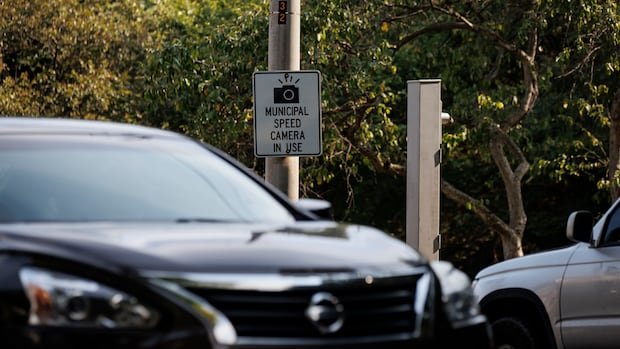
Twenty mayors, a deputy mayor, and a county warden representing various municipalities in Ontario have jointly written a letter to Premier Doug Ford and the transportation minister, advocating for a compromise on automated speed enforcement (ASE) measures in school zones instead of implementing a province-wide ban. The 22 municipal leaders, spanning from Brampton to Ajax to Parry Sound, are requesting full reimbursement from the province for the expenses incurred if the ASE program is canceled.
In the shared letter circulated on social media, the mayors highlighted that the reimbursement should encompass costs associated with enhanced local policing, staff severance, and public safety initiatives funded by revenues from speed cameras. Emphasizing the original intent of installing cameras in school zones to safeguard children, the leaders expressed concerns that a complete ban on ASE would undermine years of safety progress, burden law enforcement agencies, escalate enforcement expenses, and jeopardize lives.
To preserve ASE measures in school areas, the municipalities are willing to make concessions, including issuing warning tickets for first-time offenders, setting cameras at a reasonable speed threshold before issuing tickets, operating cameras solely during school and community hours, and implementing a blackout period on additional fines for seven days after the initial ticket to allow drivers to adjust their behavior.
The letter also outlines that the fines collected from speeding violations would be allocated to traffic calming initiatives such as speed signage and roundabouts, which many municipalities already implement. Despite the mayors’ plea, Premier Ford has criticized speed cameras as a “tax grab” and plans to introduce legislation to ban their use, citing their ineffectiveness in reducing speeds. Instead, the government aims to establish a fund to support municipalities in implementing alternative traffic-calming strategies like speed bumps and raised crosswalks.
Burlington Mayor Marianne Meed Ward, a prominent signatory of the letter, disclosed that the city had invested substantial funds in preparing for six speed cameras, which now face cancellation. The mayor expressed concerns that taxpayers would bear the financial burden since no fines have been issued to recoup the costs or fund traffic safety initiatives as intended.
Additionally, the mayors highlighted a study indicating that ASE cameras led to a 45% decline in speeding vehicles in 250 school zones, emphasizing the tangible benefits in reducing injuries and fatalities. Supported by findings from CAA South Central Ontario, which revealed that nearly three-quarters of Ontario drivers endorse ASE in targeted zones, including school and community vicinities, the mayors underscored the community’s backing for these safety measures.
While some municipalities like Brampton and Toronto have opted to continue their ASE programs despite provincial opposition, others like Vaughan have opted to remove municipal cameras and concentrate on alternative traffic-calming methods. Vaughan, for instance, initiated its ASE program in April 2025 but halted it in June due to a surge in ticket issuance. In contrast, Toronto has encountered challenges in maintaining its speed cameras, with numerous instances of vandalism reported within a short span.
The municipal leaders collectively urge for a middle ground to sustain ASE measures in school zones, emphasizing the positive impact on road safety and advocating for continued support from the province to uphold these crucial initiatives.

