
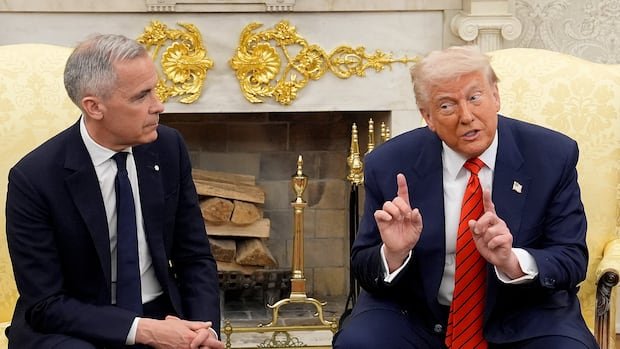

The Canadian delegation, led by Prime Minister Mark Carney, is cautiously optimistic about receiving some relief from steel tariffs during the upcoming meeting with U.S. President Donald Trump at the White House on Tuesday. The delegation hopes that any potential relief in steel tariffs could serve as a model for reducing other tariffs imposed on Canada.
Sources, speaking on condition of anonymity to CBC News and Radio-Canada, revealed that Trump initially invited Carney during a casual meeting in New York City at the UN General Assembly in September. Subsequent discussions between Canadian and U.S. officials solidified the meeting for Tuesday.
The meeting is viewed as an opportunity for Carney to mend relations with Trump following a challenging period marked by missed trade deadlines, new tariffs on Canada, and friction over issues such as Canada’s digital services tax.

Although trade talks between Canada and the U.S. are generally positive, there is a sense of apprehension among sources due to the unpredictable nature of Trump’s decisions.
While no major trade deal announcement is anticipated, there is optimism that progress on steel tariffs could lead to a broader agreement aimed at reducing additional tariffs.
Building Relations
Carney and Trump have met several times since Carney assumed office earlier this year. Despite Trump’s seemingly improved stance towards Canada compared to the previous administration, challenges persist.
Following discussions at the G7 summit in Kananaskis, Alta., Carney announced a goal of reaching a comprehensive Canada-U.S. trade and security agreement within 30 days.
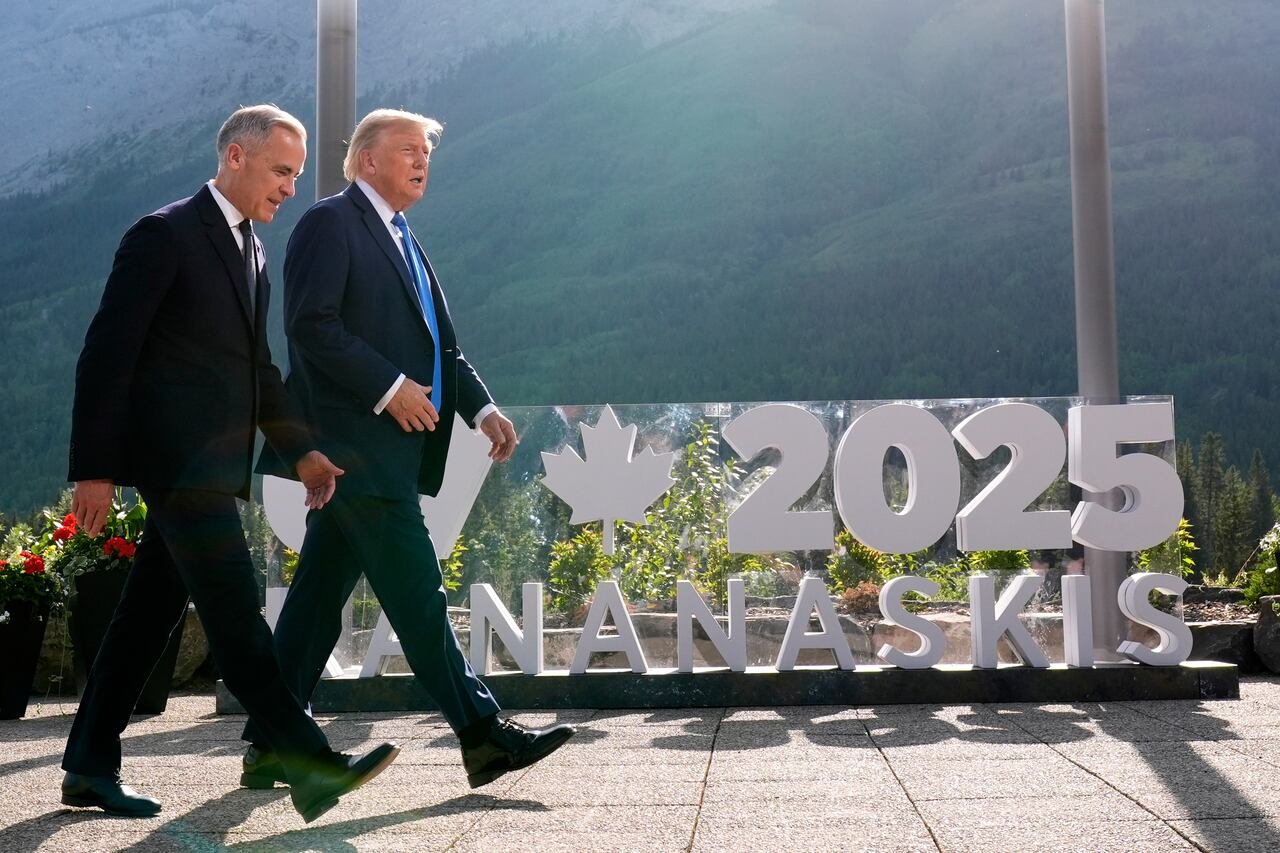
However, talks were disrupted by the digital services tax issue, leading to a pause in negotiations by Trump. Subsequently, talks resumed after Canada abandoned the tax, but hopes for a swift deal waned.
The original 30-day deadline was extended by Trump, who later threatened to increase tariffs if no agreement was reached by a specified date. Talks failed to yield a breakthrough, resulting in escalated tariffs on certain goods.
In addition to trade challenges, Trump has persistently suggested that Canada could benefit from becoming the 51st U.S. state, a notion that Canadian officials hoped would cease after the previous prime minister’s tenure.
Despite the challenges, Canadian officials remain hopeful for progress while being wary of the uncertainties associated with Trump’s decision-making
