
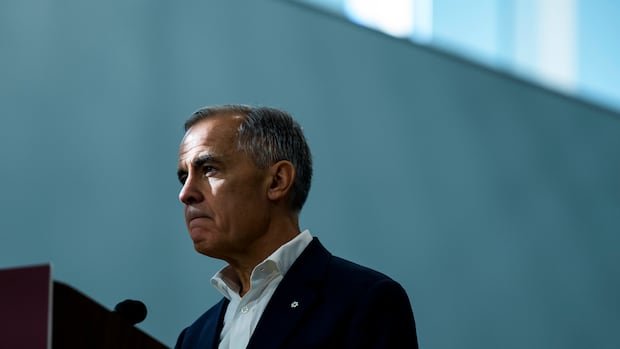
Prime Minister Mark Carney has acknowledged that the United States intends to continue imposing tariffs on specific sectors even after the renegotiation of the Canada-U.S.-Mexico Agreement on trade. Following a week of discussions on trade and tariffs in Washington, Canada-U.S. Trade Minister Dominic LeBlanc returned without a concrete resolution but with a commitment to ongoing dialogue.
During a visit to the White House, President Donald Trump expressed optimism about the outcome of the talks, although LeBlanc later shared on social media that no deal had been reached yet. Carney emphasized that the trade discussions are a continuous process and that resolving all issues through the upcoming negotiations for the Canada-U.S.-Mexico Agreement (CUSMA) is unlikely.
Carney highlighted key sectors such as steel, aluminum, autos, forest products, and pharmaceuticals, where the U.S. has strategic trade actions against various countries, including Canada. He emphasized that addressing these sectoral tariffs remains a priority, suggesting that these measures may persist even under an updated CUSMA.
During their meeting in the Oval Office, Trump indicated that tariffs on Canada would continue due to historical trade practices, including tariffs on U.S. agricultural exports after reaching specific quotas. Trump also raised the possibility of alternative trade deals rather than a renewed trilateral agreement, stating that individual countries could pursue arrangements that best serve their interests.
Despite the exemption of most Canadian trade from tariffs under CUSMA, discussions continue on trade dynamics between the three countries. Mexican President Claudia Sheinbaum emphasized the legal framework of CUSMA, noting that any changes would require a comprehensive review and approval process. The future of trade relations among the North American nations remains uncertain as negotiations progress.

