
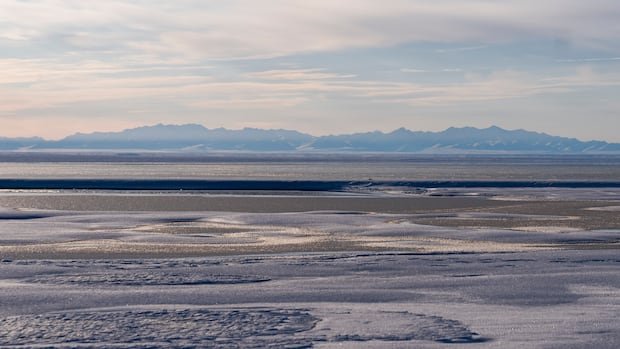
The Trump administration has officially approved the opening of the coastal plain of Alaska’s Arctic National Wildlife Refuge for potential oil and gas drilling. This decision has reignited a longstanding debate on whether drilling should be allowed in this ecologically significant area.
Interior Secretary Doug Burgum announced the plan, setting the stage for future lease sales within the refuge’s 631,309-hectare coastal plain, which holds cultural significance for the Indigenous Gwich’in community. The move aligns with President Trump’s and congressional Republicans’ promises to reopen this section of the refuge for potential development, as outlined in a bill passed earlier.
Accompanied by Alaska Governor Mike Dunleavy and the state’s congressional delegation in Washington, D.C., Burgum also revealed the restoration of oil and gas leases in the refuge that were previously canceled. A federal judge earlier ruled that the Biden administration lacked the authority to annul these leases, which were obtained by a state corporation during the last term of the Trump administration.
While the Gwich’in community views the coastal plain as sacred due to its importance to a caribou herd vital for their livelihood, the Inupiaq community in Kaktovik supports drilling in the area, considering it crucial for their economic prosperity. The decision has drawn mixed reactions, with supporters emphasizing the economic benefits and critics expressing concerns about the impact on wildlife and the environment.
The administration’s actions are in line with Trump’s earlier policy directives, which included expediting the construction of a road to connect King Cove and Cold Bay communities. A land exchange deal announced by Burgum aims to facilitate the road’s construction through Izembek National Wildlife Refuge, a move supported by local officials citing the need for improved access to emergency medical services.
Conservationists have voiced opposition to the road construction, fearing its impact on migratory bird habitats in the region. The agreement involves exchanging ecologically valuable wilderness lands within the refuge for lands outside the refuge, sparking concerns among tribal leaders about potential harm to migratory bird populations essential for their traditional way of life.
Despite the controversy, the administration’s decision has received backing from some lawmakers, including Sen. Lisa Murkowski, who stressed the importance of balancing development needs with environmental conservation. Murkowski emphasized that the proposed road aims to provide essential access without significant disruption, addressing the concerns of both local communities and environmental advocates.

