

Residents of a downtown Toronto apartment building have secured a $1.2-million settlement stemming from a case involving a neglected tenant swimming pool.
According to the Federation of Metro Tenants Associations (FMTA) and others in the rental housing sector, this settlement—averaging around $3,000 per unit—represents the largest they have ever encountered.
“This is a significant victory for the community,” expressed Yaroslava Avila Montenegro, the FMTA’s executive director. “I am incredibly proud that they managed to leverage their rights as tenants.”
Cole Rodness, the vice-president of asset management for the property owner Fitzrovia, characterized the settlement as a win for both parties involved.
“Ultimately, I believe we all emerged victorious,” he remarked. “Residents were understandably upset about the pool’s closure, but we hope this compensation will foster a more cooperative atmosphere between tenants and landlords moving forward.”
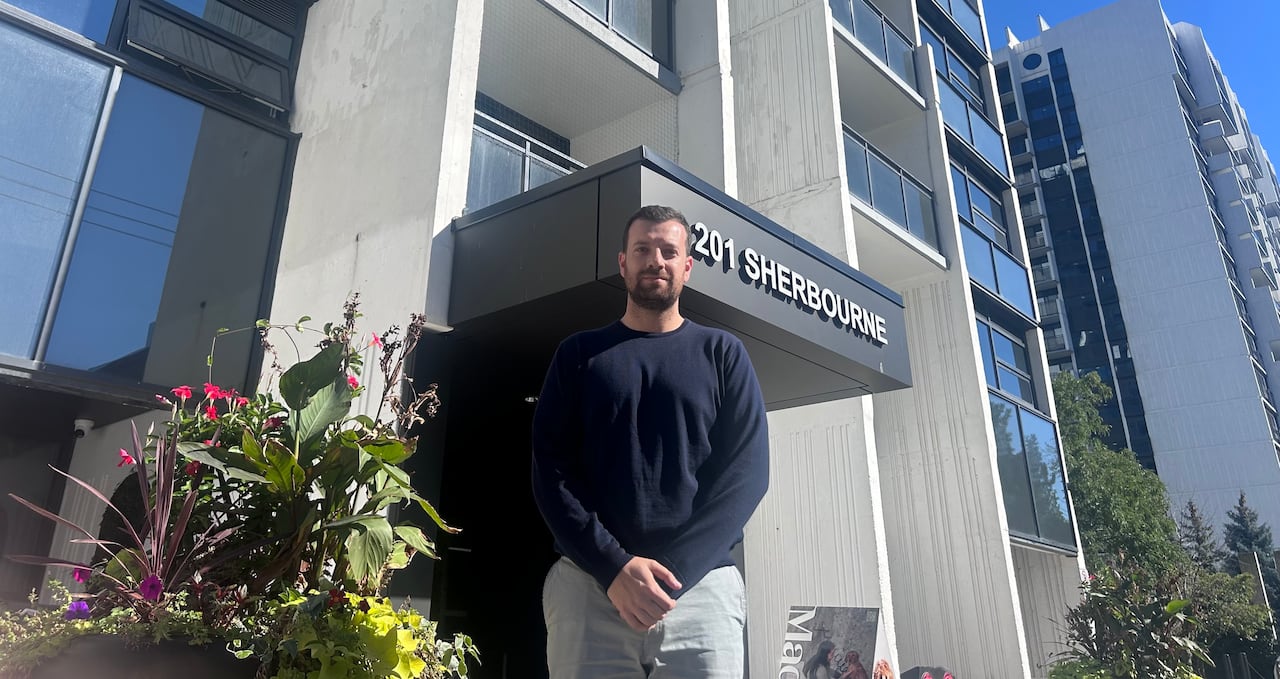
Cole Rodness, vice president of asset management at Fitzrovia, called the settlement a victory for both sides in the dispute. (Mike Smee/CBC)
For the tenants, this settlement marks the end of a five-year struggle that began in March 2020 when the COVID-19 pandemic resulted in the pool’s closure at the two-tower complex located near Sherbourne and Dundas streets.
As the pandemic began to ease in 2022 and the pool remained closed, tenant Jennifer Kerwood raised concerns with the landlord, asserting that the pool was an amenity guaranteed by her lease and that its removal warranted a rent reduction—an assertion the landlord contested.
The property was sold to Fitzrovia the following year, which also rejected the rent reduction, according to Rodness, as the company was still exploring options to potentially replace the pool.
At that point, Kerwood escalated her complaint to the province’s Landlord and Tenant Board (LTB), requesting an unspecified rent discount to compensate for the loss of the pool.

Jennifer Kerwood stands outside the now permanently closed pool at 191-201 Sherbourne St. She started a tenants group in the buildings, and spearheaded the negotiations over the lost pool. (Mike Smee/CBC)
While her case progressed through the LTB’s complaint process, Kerwood began rallying other tenants in her building.
By that time, the issues extended beyond the closed pool; the new landlord’s extensive renovation plans—resulting in ongoing construction across both buildings—were adding to tenant frustrations.
In the fall of 2024, as the LTB prepared to hear her initial arguments, Kerwood established the Sherbourne Estates Tenants Association, which currently has around 120 members, roughly a quarter of the tenants in the 596-unit complex.
“The tenants really united,” she told CBC Toronto. “I’m ecstatic about the outcome we’ve achieved.”

FMTA executive director Yaroslava Avila Montenegro, in the courtyard of the two Sherbourne Street towers. She says she’s never hard of such a large settlement. (Mike Smee/CBC)
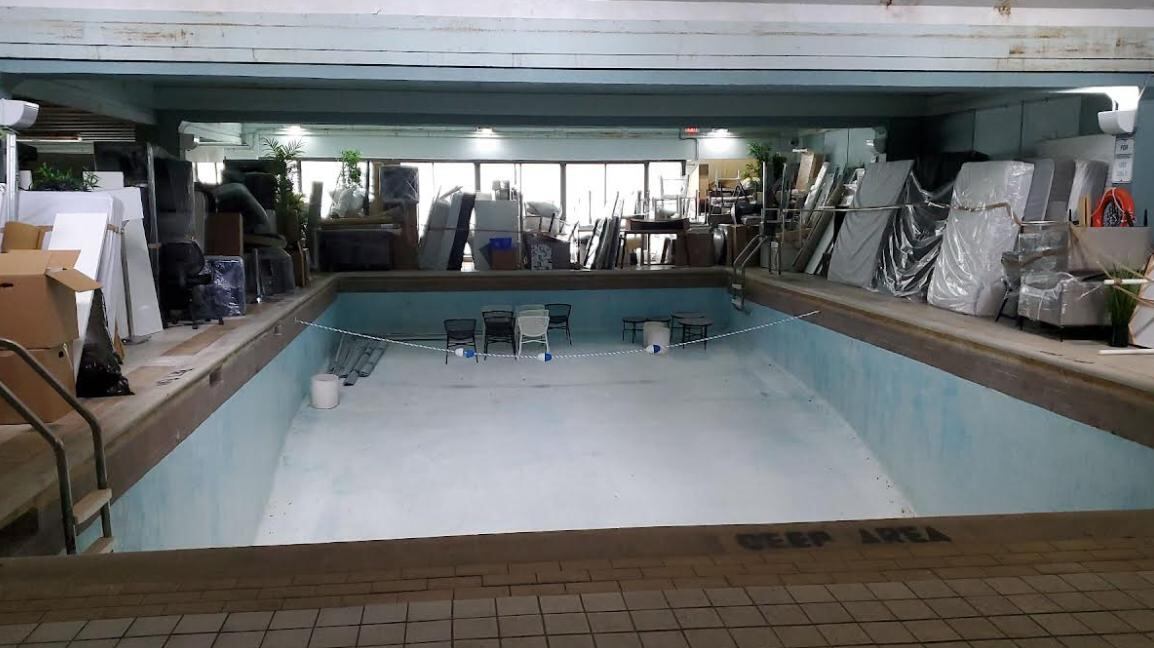
During COVID, the pool was mothballed and never reopened, yet residents weren’t given a rent reduction as a result. (Submitted by Jennifer Kerwood)
Rodness indicated that the company has made improvements to the building, modernizing the facade and the units while also introducing a “pet spa.”
In an email to CBC Toronto, company CEO Adrian Rocca stated: “We have completed these capital upgrades without ‘renovictions,’ without above guideline rent increases, and while fully honoring every lease. We modernize homes without displacing residents.”
The tenants’ complaint regarding the pool closure was finally reviewed by an LTB adjudicator this past January. Concurrently, Kerwood lodged a second complaint with the LTB concerning the disturbances caused by the renovations.
It was then that Fitzrovia reached out to her to discuss a potential settlement.

Paralegal Elaine Page specializes in landlord-tenant disputes. She says landlords should be aware that withdrawing amenities can lead to lower rents. (Evan Mitsui/CBC)
“That was when they decided to engage in serious negotiations with us,” she recounted. “They were very accommodating throughout the process.”
The two parties held private meetings, and within a few months they reached a settlement, according to Kerwood. Her association withdrew both applications at the LTB, and the company proposed a rent reduction of $3,000 for each apartment among the approximately 400 rented units.
Tenants have until next June to accept the offer, as stated in Rocca’s email, and so far around two-thirds have agreed to it.
Elaine Page, a paralegal with expertise in landlord-tenant matters, remarked that this case is unprecedented.
“In my three decades of practice, I have never encountered such a settlement,” she noted. “It’s quite remarkable, and I commend the landlords for their willingness to cooperate.”
She added that the lesson for landlords is that removing listed amenities can have significant repercussions.
“You can anticipate two outcomes: either you will face a rent abatement, or potentially a rent decrease in the future.”

