
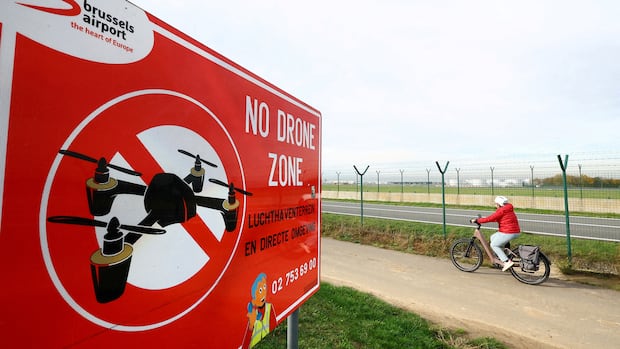

Before reports of at least three drones spotted over a power facility in northern Belgium on Sunday evening, the capital, Brussels, was already on high alert.
A surge of drone sightings has caused multiple airport closures across the nation, leaving thousands of travelers stranded and flights grounded.
Belgium has become the latest focus in a series of enigmatic drone occurrences throughout Europe, particularly near airports and military installations — with some officials directly implicating Russia. This situation has prompted authorities to increase their defensive measures.
Belgian media has reported that this weekend’s drones were observed over the Doel nuclear power plant, located close to the Port of Antwerp. CBC News has yet to verify these claims.
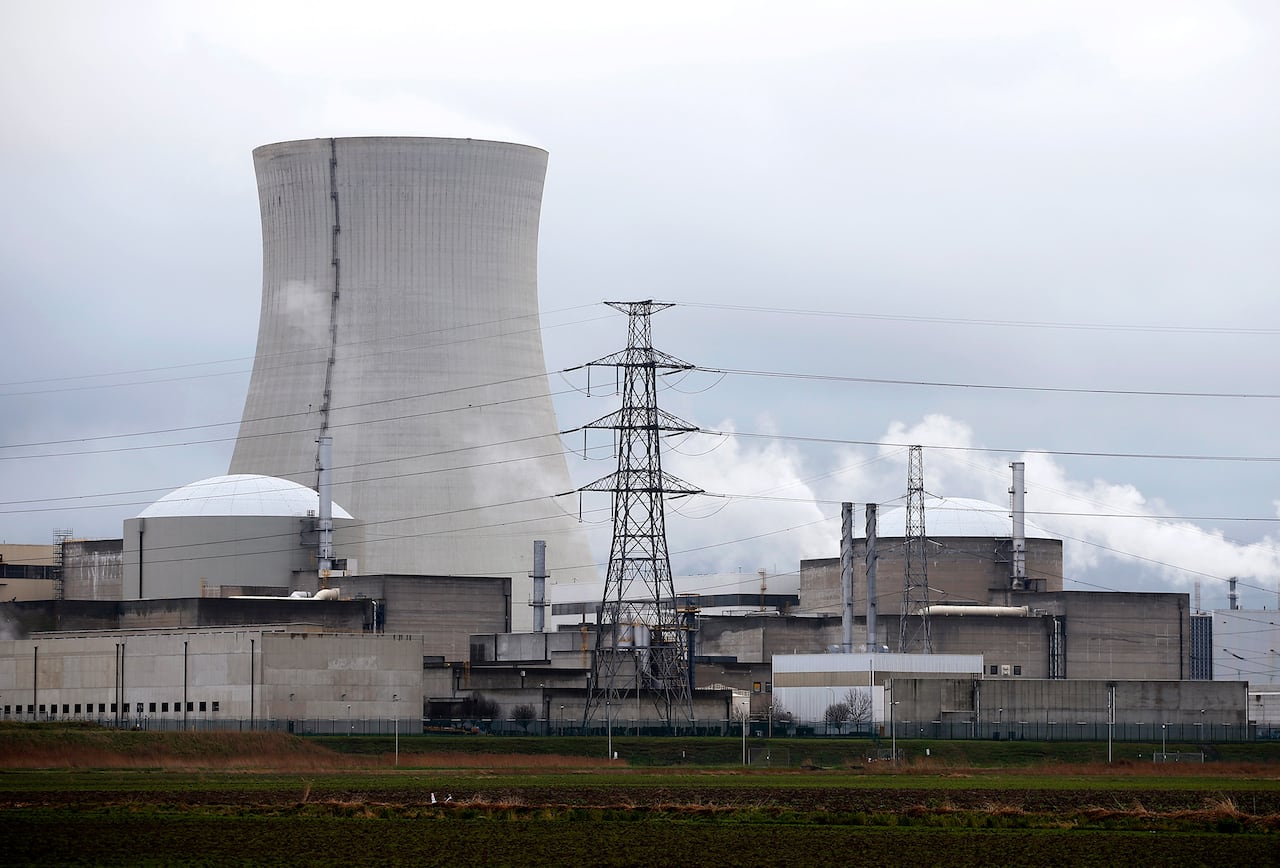
An image captures the cooling tower of the Doel nuclear facility near Antwerp, Belgium, taken on January 4, 2016. The plant was reportedly inundated with drones on Sunday night. (Francois Lenoir/Reuters)
In contrast to the numerous Russian drones that breached Polish airspace in September amid a large-scale assault on Ukraine, little is known about the recent sightings.
‘Element of whack-a-mole’
There is no evidence suggesting that any of the drones involved in the latest sightings have been intercepted or have crashed.
“There is a certain element of whack-a-mole or hide and seek here,” remarked Jacob Funk Kirkegaard, a senior fellow at the Peterson Institute and the Brussels-based think tank Bruegel.
“These drones, no matter who launches them or from where, do not stick around. They enter … restricted airspaces and then vanish.”
On Sunday, the leader of the British military announced plans to send specialists and equipment to Belgium to assist in detecting and defending against the drones.
Richard Knighton, chief of Britain’s armed forces, informed the BBC that Belgium had requested help after Brussels Airport was shut down for several hours last Tuesday evening due to drone sightings.
Liège Airport in Belgium, mainly serving cargo traffic, experienced multiple flight suspensions last week — including on Sunday — following drone reports.
In Germany, where drone sightings grounded 17 flights at Munich airport in October, officials are forming rapid-response teams to address the threat, which the country’s defense minister has attributed to Russia.
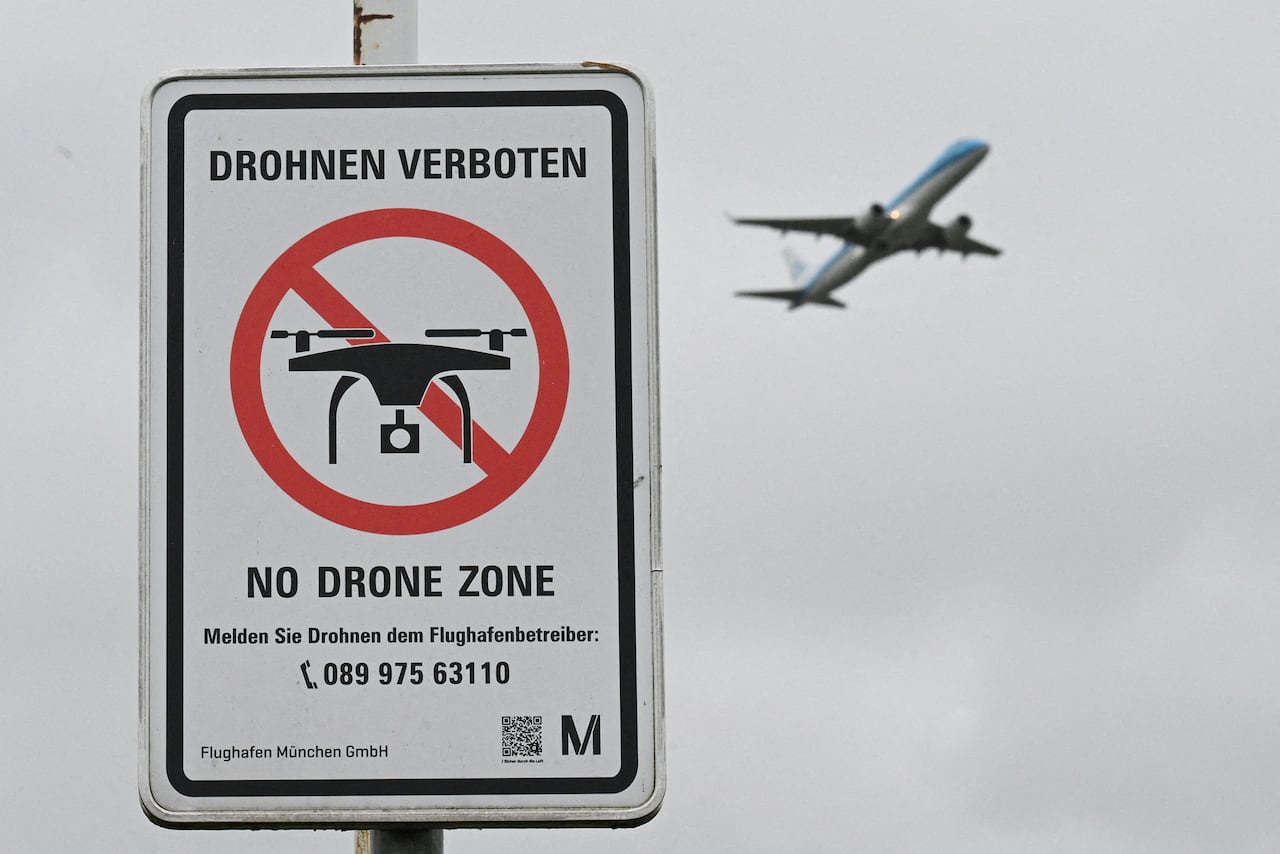
A drone ban sign is posted outside Munich airport, Germany, on October 6. (Angelika Warmuth/Reuters)
In response to a journalist’s inquiry on Friday, Boris Pistorius expressed his belief that Belgium is being targeted due to the ongoing discussion regarding the use of 140 billion euros ($226 billion CAD) in Russia’s frozen assets to support Ukraine. These funds are held in a Belgian-based clearinghouse known as Euroclear.
“This is a tactic intended to instill insecurity and fear in Belgium: ‘Do not touch the frozen assets,'” Pistorius stated on Friday. “There is no other way to interpret this.”
Russia dismisses claims
Last month, Kremlin spokesperson Dmitry Peskov characterized claims against Russia regarding the drones as unfounded, asserting that “numerous European politicians are eager to blame Russia for every problem.”
The occurrence of drone sightings has reached a “remarkably unprecedented” level, according to Guiseppe Spatafora, a research analyst at the EU Institute for Security Studies.
In an email to CBC, he noted that while it may be challenging to find direct evidence of Russian involvement, there is a distinct “novelty” in the countries suffering drone disruptions — they have either significantly supported Ukraine or are contemplating such actions.
When air traffic in Copenhagen was halted on September 22, Danish Prime Minister Mette Frederiksen described it as “the most serious attack on Danish critical infrastructure to date,” emphasizing that Russian involvement could not be ruled out.
Following that incident, Danish authorities remarked that whoever operated the drones demonstrated “capability” and the ability to maneuver them in various flight patterns. Police at that time decided against attempting to shoot them down, considering the dangers posed to passengers and the fuel and aircraft located on the runways.
Since the incidents in Denmark, there has been limited information released regarding the more recent drone sightings in Europe, but officials have assured that defenses will be strengthened.
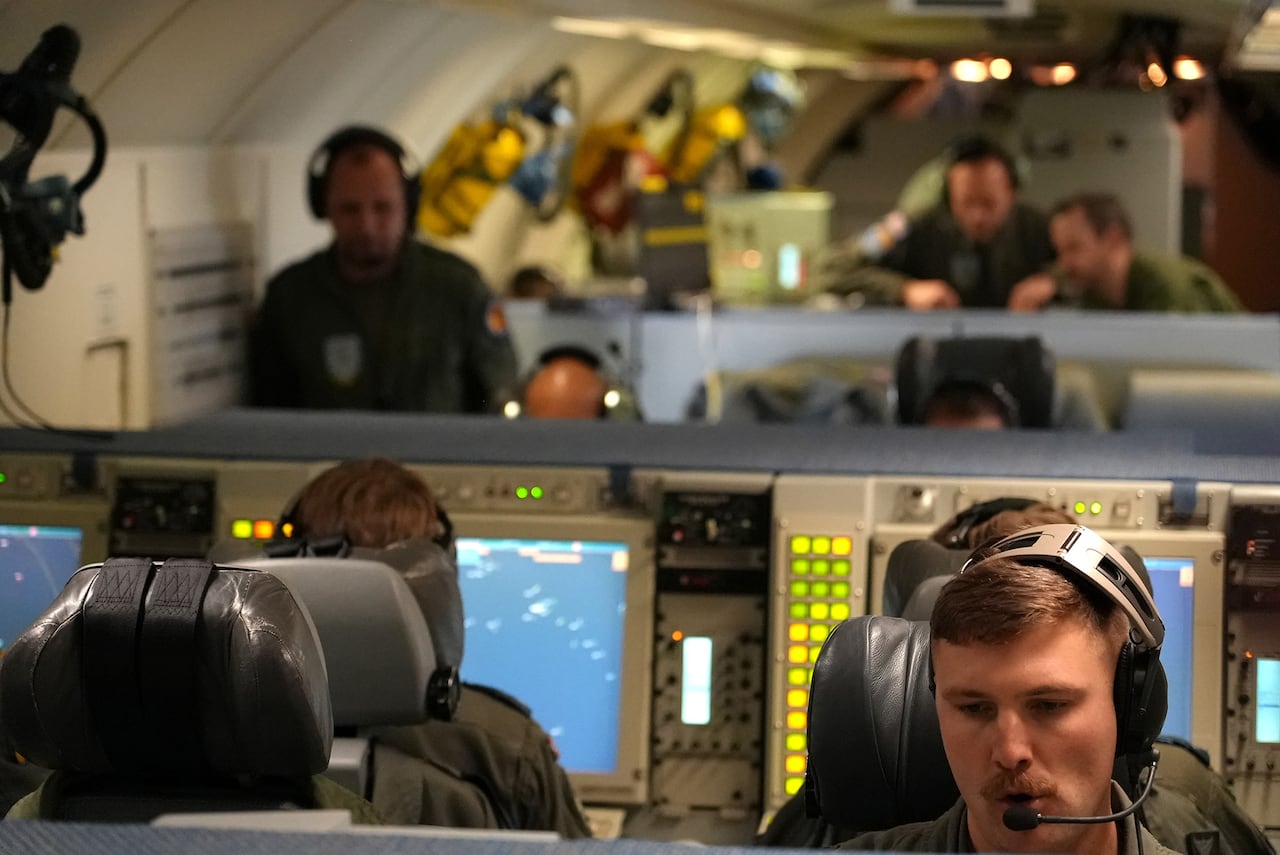
Members of a NATO AWACS (Airborne Warning and Control System) flight monitor the skies for potential threats, including any aircraft or drones entering NATO airspace. (Briar Stewart/CBC)
More NATO patrols
Following the incursion of approximately 20 Russian drones into Polish airspace earlier this fall, NATO launched the Eastern Sentry mission to enhance aerial patrols in Poland using surveillance aircraft that feature a large radar dome, allowing the crew to detect threats over 500 kilometers in any direction.
While this system is capable of identifying planes and ships at sea, smaller drones present a significant challenge.
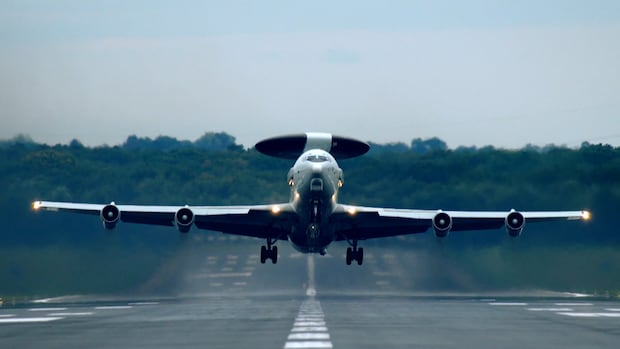
NATO is monitoring airspace threats over eastern Europe as drone sightings continue to disrupt airports. For The National, CBC’s Briar Stewart provides an in-depth look at Operation Eastern Sentry and the monitoring efforts in the skies.
“We must adjust our systems to detect those drones, as conventional aircraft will not produce the same radar signature as small drones,” stated Capt. Joel, an aircraft commander identified by his full name in accordance with NATO security protocols.
Joel spoke to CBC during a surveillance flight on November 4, where a crew of 28 was dedicated to observing NATO’s eastern border for any aerial incursions.
“The situation in Ukraine has shown us that in tense circumstances, individuals can be innovative in finding new combat methods,” Joel remarked. “The strategies we considered five or ten years ago have rapidly changed … we need to adapt as well.”
When CBC inquired with a NATO public affairs officer about the alliance’s involvement in monitoring the latest drone sightings, he stated that the information was classified and could not be disclosed.
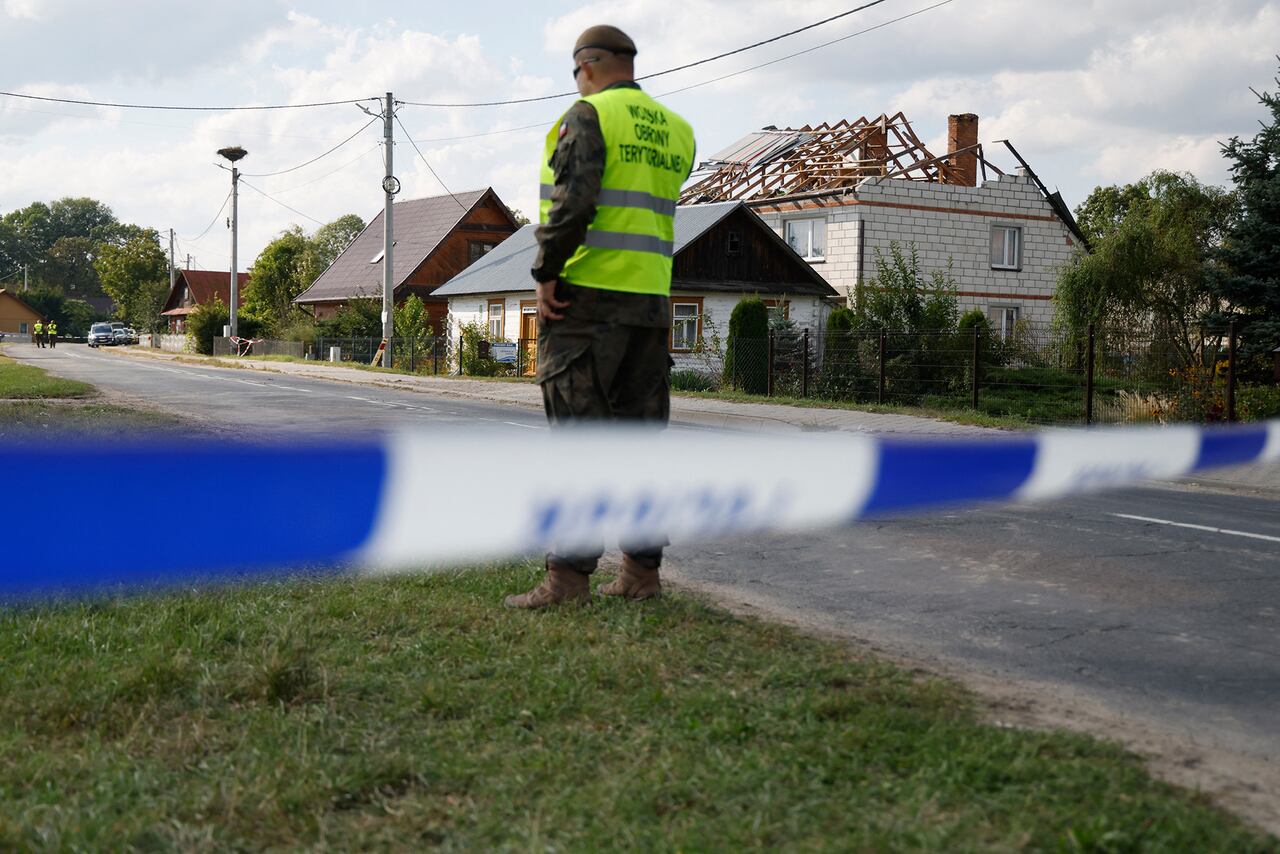
Police and military personnel assess damage to a house destroyed by debris after a Russian drone was downed in the village of Wyryki-Wola, eastern Poland, on September 10. (Getty Images)
Deploying a drone wall
European Union officials, who have been advocating for a region-wide “drone wall” for several months, are now pledging to establish one by 2027.
“I wouldn’t deem it completely unrealistic, but it is certainly very ambitious,” stated Funk Kirkegaard.
He emphasized that one of the key takeaways from the battlefields of Ukraine over the past three and a half years is that intercepting waves of agile and relatively inexpensive drones deployed en masse is exceptionally challenging.
He advocates that Europe should instead focus on safeguarding critical infrastructure.
However, he pointed out that crucial decisions need to be made regarding the risks associated with intervention — such as the consequences of shooting down a suspicious drone in a populated area.
“Even if we manage to shoot it down, what if it crashes on a house?” he questioned.
“These are split-second decisions fraught with uncertainties.”
