
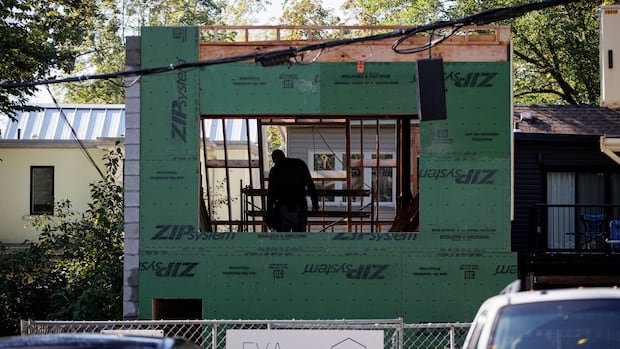

A recent report has revealed a significant setback in housing construction in Toronto, resulting in a failing grade for new home starts in the city.
According to the Residential Construction Council of Ontario (RESCON), housing starts in Toronto have plummeted by 58% and sales are trailing by 91% when compared to data from January-June averages spanning 2021 to 2024. The report assessed 34 municipalities in the Greater Toronto Area and Greater Golden Horseshoe, indicating a general decline in housing starts by 40%.
Toronto joins 21 other municipalities receiving an F grade, including Brampton, where housing starts have declined by 50%. CEO of RESCON, Richard Lyall, expressed concern over the dire housing situation in Ontario, stating that the crisis is more severe than commonly perceived and anticipates a worsened scenario ahead.
The Ontario government recently fell short of its 2024 housing starts target, aiming to construct 1.5 million homes by 2031. Despite expanding measurement methodologies, only 94,753 new homes were counted, below the target of 125,000, which included long-term care beds and post-secondary dorms.
In the first quarter of this year, the province witnessed a decline in construction activity with only 12,700 housing units initiated, the lowest level since 2009, as highlighted by the financial accountability officer, Jeffrey Novak.

Updated numbers show the Ontario government once again failed to meet its goal for housing starts, even with new ways of counting them. CBC’s Lorenda Reddekopp has the details — and reaction.
The provincial government emphasized its efforts to facilitate housing delivery by implementing various incentives for municipalities and builders, such as eliminating the full 13% HST on purpose-built rental housing and offering rebates on new homes priced up to $400,000. Additionally, significant investments have been made through programs like the Municipal Housing Infrastructure Program and the Building Faster Fund to support housing initiatives.
The residential construction industry in Toronto has witnessed a loss of approximately 10,209 jobs this year due to the sluggish housing starts, according to RESCON. This trend has raised concerns among industry experts, including Richard Lyall, who highlighted the impact on employment opportunities in the construction sector.
The Labourers’ International Union of North America (LiUNA) Local 183 reported reduced employment hours over the past few months, indicating a slowdown in construction activities. The dwindling number of projects has created a competitive environment among workers, with insufficient opportunities available.
Eric Lombardi, from More Neighbours Toronto, warned about the long-term repercussions of inadequate housing starts on affordability and capacity. Drawing parallels to past housing crises in other countries, Lombardi stressed the need for strategic policy interventions to avert a similar collapse in the housing market.
‘Too many regulatory hurdles’
Lombardi and industry stakeholders advocate for tax reforms to streamline project initiation processes and reduce additional costs associated with housing developments. Excessive development charges, notably in Toronto, have surged over the years, posing challenges for builders and potential homeowners.
Moreover, regulatory complexities
