

A significant new study indicates that critical issues in logistics and technology jeopardized the reliability of online voting during Ontario’s 2022 municipal elections, revealing vulnerabilities in systems provided by various vendors that left 70 percent of contests at a “high or extreme risk” of being compromised.
The analysis was carried out by a team of scholars from Brock, Carleton, and Western universities, all of which focus on computer engineering, cryptography, and political science.
The research identified two primary security failures: first, a logistical issue that made the elimination of a voter’s unique login PIN an open invitation for fraudulent activity. The second was a technical weakness present in several vendor systems that posed a risk of surreptitiously taking control of nearly a million online ballots on election night.
These results underscore the dilemma of digital voting, illustrating how the pursuit of convenience and accessibility can compromise the integrity of an election if cybersecurity is left to local funding and design decisions, according to Brunet. In Ontario, this danger is amplified by the absence of a provincial standard, with 219 municipal clerks responsible for acquiring their own systems, leading to inconsistencies where human errors could facilitate systemic fraud.
‘Burn after voting’
The researchers discovered the issue after a senior official from a rural Ontario municipality pointed out a possible security concern at a busy rural post office, highlighting that voter information letters containing security PINs were being discarded unopened in recycling bins, treated as if they were junk mail.
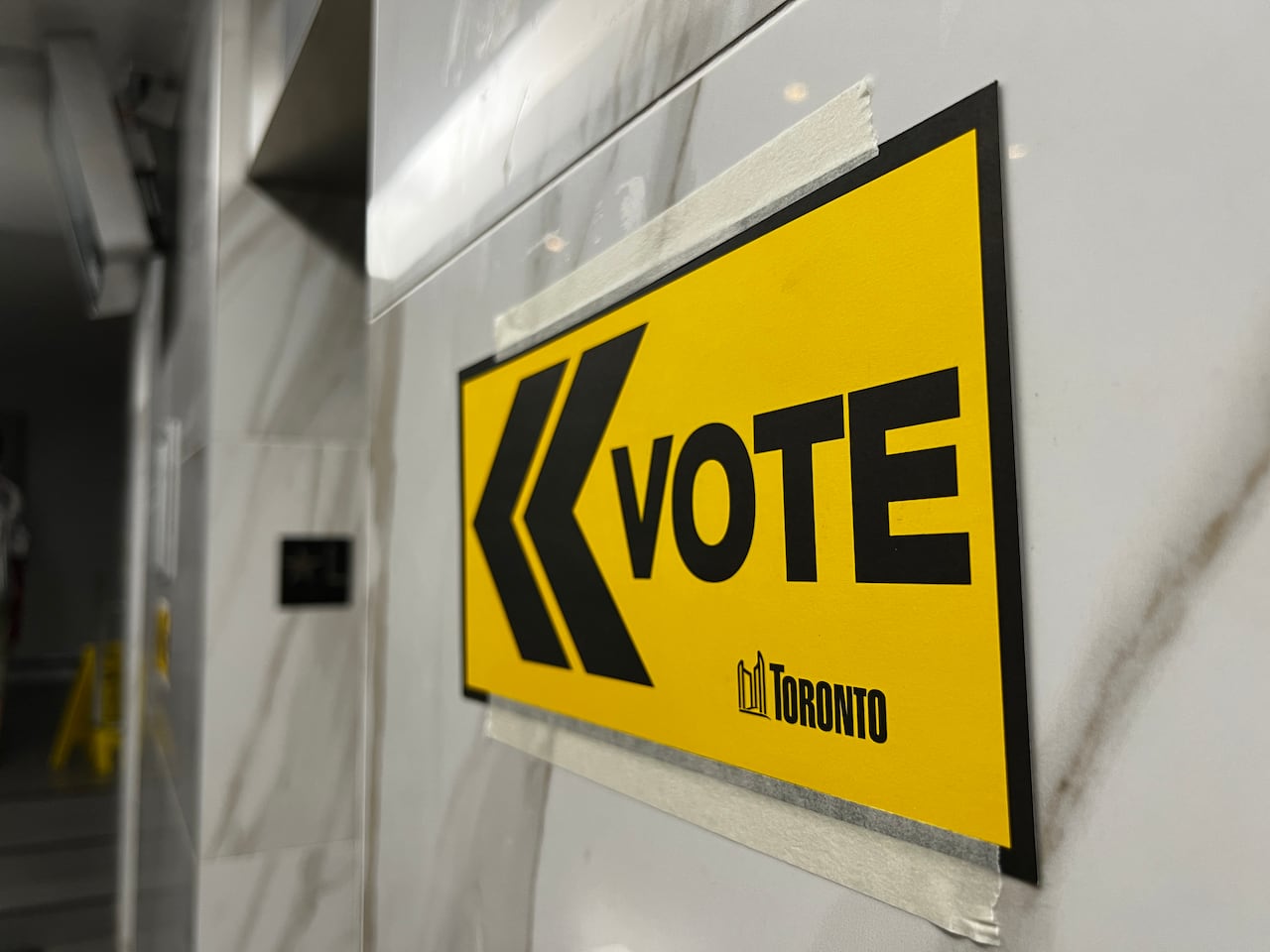
While larger cities like Toronto and Ottawa do not provide online voting options, numerous smaller communities do, particularly in remote or rural areas where voters face long travel distances. (Aloysius Wong/CBC)
“When individuals throw items into the blue bin, they often do so without considering that anyone can access them,” remarked James Brunet, an IT instructor at Carleton University and one of the study’s contributors.

James Brunet is a lecturer at Carleton University’s faculty of engineering and design, specializing in cybersecurity. He advocates for the establishment of a provincial standard for online elections to enhance security measures. (Carleton University)
In some municipalities, additional authentication methods, such as requiring a birthdate, are necessary to cast a vote, but in others, just the PIN is adequate. Consequently, when these PINs are carelessly discarded like junk mail in post offices or apartment mailrooms, they can be retrieved by unauthorized individuals, enabling fraudulent voting, Brunet explained.
“It’s a case of ‘burn after reading,’ or rather, ‘burn after voting.’ I would recommend that individuals cast their votes and then dispose of any related materials to prevent others from voting in their place.”
The researchers also identified a notable vulnerability in one-third of the online voting systems—the lack of certain digital protections could permit an attacker to deceive a voter into selecting the wrong candidate by fabricating an onscreen illusion.
By introducing a deceptive layer to the interface, a hacker could obscure the genuine choices, redirect the voter’s click, and covertly modify the ballot.
Secret vote-swapping flaw
This vulnerability was detected in the systems of two out of six major vendors in Ontario. In the instance of Scytl, a Barcelona-based company, researchers managed to notify the firm of the clandestine vote-swapping flaw during the election, which allowed for a fix to be implemented. However, with Toronto’s Neuvote, the defect was discovered too late and remained unresolved when the polls closed.
In a communication to CBC News, Neuvote’s CEO Matthew Heuman stated that the company has rectified the specific vulnerability, introduced additional security measures, and will collaborate with researchers in the future.
Only the Northwest Territories, Yukon, Ontario, and Nova Scotia permit online voting in select elections within Canada.
In Ontario, just 219 of the province’s 444 municipalities provide online voting options. In these areas, municipal clerks oversee the voting process, utilizing one of six distinct online voting vendors, resulting in a fragmented system.
Access versus security
The Association of Municipalities of Ontario declined to provide a statement on this issue. Elections Ontario mentioned in an email that it holds “no legal authority over the management of local elections by municipal clerks, including voting methods.”
Emails sent to the office of Minister of Municipal Affairs and Housing Rob Flack went unanswered.
Proponents of online voting assert that Ontario is missing an opportunity to enhance democratic engagement. More accessible online alternatives are believed to attract a broader base of voters, including seniors facing mobility challenges, busy parents, or shift workers.
These considerations were among the motivations for the City of Hamilton to pilot online voting during a recent school board byelection, an event that proceeded smoothly with no security incidents reported.
Online voting ‘a game changer,’ politician says
“If executed properly, it can be revolutionary,” stated Cameron Kroetsch, a Hamilton city councillor and supporter of online voting in municipal elections, in an interview with CBC News.
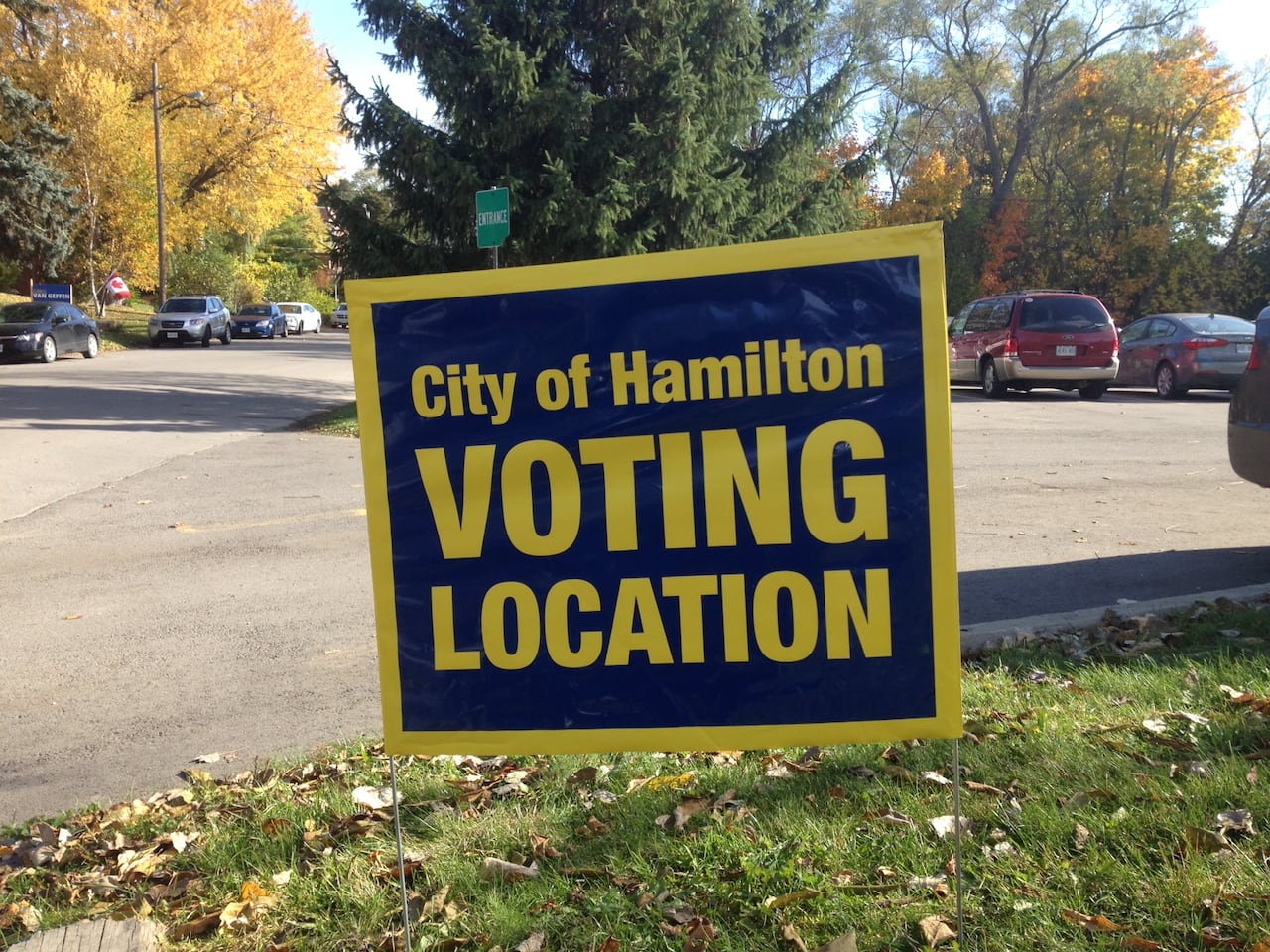
After vibrant discussions among Hamilton’s city councillors regarding online voting in July, the decision was made not to implement it in the upcoming elections. (Rick Hughes/CBC)
Despite the pilot’s success, the Hamilton city council ultimately voted against citywide online voting in July, despite recommendations from city staff.
Kroetsch contended that local council members dismissed the proposal out of apprehension regarding new technology. He emphasized that the province exacerbates this issue by failing to establish regulatory standards for municipal elections.
“It’s not complicated to reach out, rely on research, and set rules,” he argued. “Yet, the province appears to be indifferent, saying, ‘If you want to do it, go ahead. We’re not particularly concerned about it.'”
In this situation, the actual risk does not stem from a large-scale conspiracy but rather from a governmental inaction, argues Brunet, a computer science lecturer. He claimed that by failing to implement straightforward standards, the province is leaving democracy exposed to security vulnerabilities.
“The last thing we want is for election results to be called into question,” Brunet stated. “This is especially concerning to me because we’ve witnessed similar scenarios in the United States, where claims about election technology have emerged, leading to attempts to dispute the results of an election.”

