
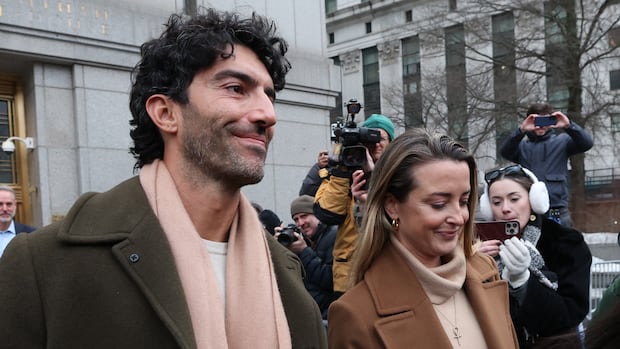
The situation between them is not yet resolved.
Justin Baldoni, who stars in and directs the film It Ends With Us, has shared that he is now ready to address the contentious dispute with his co-star Blake Lively.
In a nearly five-minute video shared on his official Instagram page this Thursday, Baldoni and his wife, Emily Baldoni, expressed their “gratitude” towards fans for their continued support.
He spoke about how the couple is “recovering” after experiencing “something traumatic,” alluding to the bitter legal disputes with Lively.
“What I can say is that numerous painful words have been expressed over the past couple of years,” he noted.
-
Blake Lively seeks $8M US in legal fees from Justin Baldoni following It Ends With Us
-
Settlement reached between Blake Lively and Justin Baldoni regarding It Ends With Us
“This has caused so much commotion, and we chose not to contribute to it, preferring to allow the justice system to take its course, and the truth and facts have emerged on their own,” he added.
The couple expressed their feelings of “injustice” throughout the ordeal.
“We’ve had to confront many issues and try to comprehend how such a situation could occur, especially when it’s masked as a fight for women’s rights,” Emily Baldoni remarked.
Accusations of harassment and ‘smear’ campaigns
Lively, who is married to Vancouver-born Deadpool actor Ryan Reynolds, alleged that Baldoni sexually harassed her during the film’s production and claimed he orchestrated a campaign to damage her reputation, filing a $250-million US defamation lawsuit against him and his Wayfarer Studios production company.
This lawsuit was submitted mere hours after Baldoni, now 42, initiated a $400-million libel action against the 38-year-old actress, Reynolds, their publicist Leslie Sloane, and the New York Times, which reported on the details of Lively’s accusations regarding the alleged smear campaign in a December 2024 article.
In June 2025, a New York judge dismissed Baldoni’s lawsuit; subsequently, the same judge dismissed Lively’s claim of sexual harassment in April of this year.
Both parties agreed to settle their civil lawsuit in May, just two weeks prior to the trial.
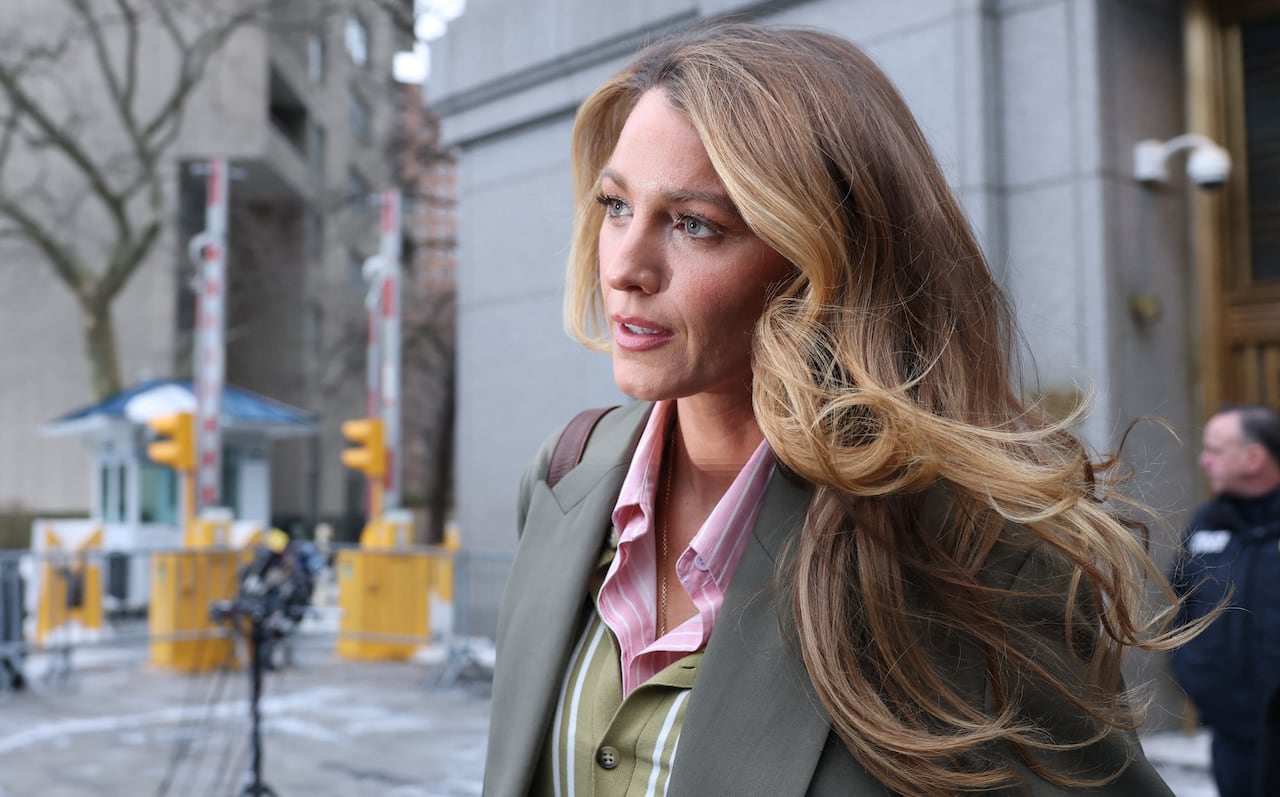
Blake Lively is seen leaving federal court after a court-ordered settlement conference concerning her civil lawsuit against Justin Baldoni related to the film It Ends With Us, in New York on February 11. (Angela Weiss/AFP/Getty Images)
In a joint statement released through their legal representatives following the settlement of the civil case, Lively and Baldoni expressed: “We sincerely hope this will bring closure and enable all parties to move forward in a constructive and peaceful manner, creating a respectful online environment.”
Details of the settlement remain confidential.
-
Essential updates on the Blake Lively/Justin Baldoni legal battle (2025)
-
Public release of texts between Blake Lively and Taylor Swift in ongoing legal proceedings against Justin Baldoni
Lively did not receive monetary compensation in the settlement but was awarded legal fees instead, with no damages, as per California law.
Currently, she is requesting $8 million in legal expenses from Baldoni, as indicated by a claim her attorneys filed in court on June 30.
It Ends With Us, adapted from Colleen Hoover’s 2016 novel, revolves around the toxic relationship between a florist, portrayed by Lively, and a neurosurgeon, played by Baldoni.
The film turned out to be a commercial success, earning $351 million US (almost $500 million Cdn) globally, according to Box Office Mojo, making it the 20th highest-grossing film of 2024.
The Baldonis maintain that they have “much more to share” but will wait for the appropriate time to do so.
As for Lively, she has not yet responded to the Baldonis’ video. Her latest social media comment concerning the legal matter was made following the dismissal of her sexual harassment claim.
“The physical pain stemming from online abuse is very real. It constitutes abuse,” she stated in a message shared on Instagram on April 6.
“If you are observing, my allegations are not the first nor the last instance you will encounter regarding the severe risks of retaliation or digital conflict. Often, it won’t be aimed at celebrities or those who may [be] able to voice their concerns.”
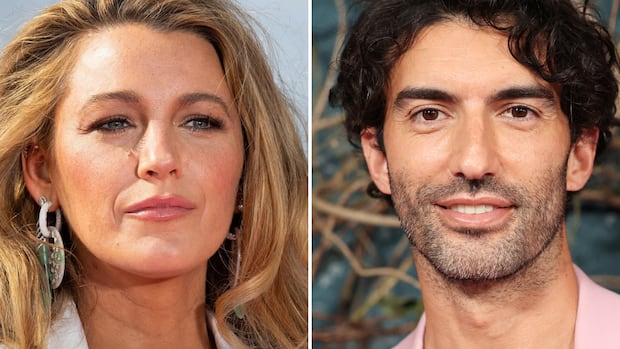
Blake Lively has accused her It Ends With Us director and co-star Justin Baldoni of attempting to ‘destroy’ her reputation after she reported incidents of sexual harassment during filming. An attorney representing Baldoni has labeled these allegations as ‘categorically false.’

