
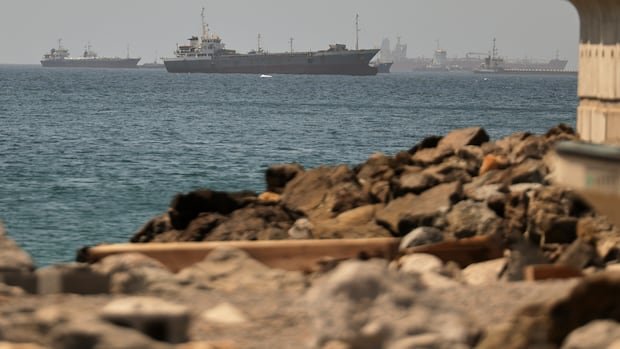
A recent study suggests that the multitude of ships stuck in the Gulf region due to the closure of the Strait of Hormuz could lead to a significant environmental threat known as a “super-spreader” event. According to the research published in Biological Invasions on July 22, the stationary vessels in the Persian Gulf and the Gulf of Oman are fostering the growth of various organisms like algae, barnacles, and tunicates, which could pose a severe global biosecurity risk once the ships resume their journeys.
Lead author Mario Tamburri from the University of Maryland Center for Environmental Science highlighted the potential danger, stating that the situation could facilitate the spread of numerous species worldwide. With an estimated 1,500 ships stranded in the Persian Gulf and additional vessels in the Gulf of Oman due to the closure during the U.S.-Iran conflict, the accumulation of organisms on the ships’ hulls and surfaces, known as biofouling, may lead to the inadvertent transfer of invasive species to different ports if not managed effectively.
The prolonged idleness of ships in the region, far exceeding their usual time in port, coupled with the warming waters and lack of hull maintenance, creates an ideal environment for a “super-spreader” scenario. The closure coinciding with the onset of growing and reproductive seasons for many organisms further exacerbates the risk. Species adapted to the Persian Gulf’s extreme conditions could prove to be particularly successful invaders in other regions as ocean temperatures continue to rise.
Efforts to clean the vessels before departure face significant challenges, as there are limitations on the capacity of in-water cleaning services to handle the large number of ships promptly. Safety concerns also arise from sending workers into the water during a conflict situation. Despite the focus on regulating species transported through ballast water, biofouling has received comparatively less attention in terms of biosecurity threats from marine vessels.
The potential consequences of the ships becoming “super-spreaders” extend beyond the immediate region, highlighting how geopolitical events can have broader ecological impacts. The study emphasizes the need for proactive measures to mitigate the risk of invasive species spread through biofouling, underscoring the importance of global biosecurity protocols in the maritime industry.

