
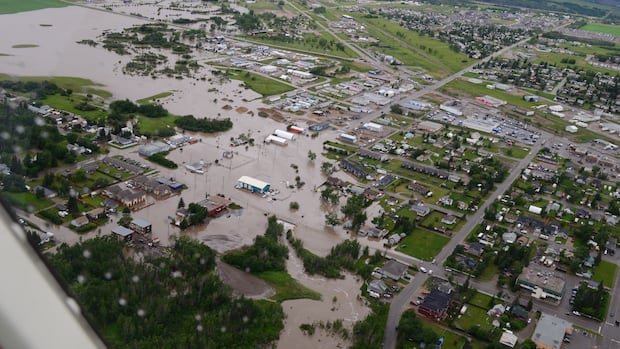
A recent study projects a future of warmer and wetter conditions in northeastern B.C., along with increased extreme weather events in communities previously affected by major natural disasters. The region is expected to see temperature increases of up to three degrees by the 2050s and up to five degrees by the 2080s. This shift may result in summers resembling those in the Okanagan and January temperatures feeling more like past March temperatures.
The Fraser Basin Council’s researchers emphasize that these changes will impact various aspects of daily life, such as infrastructure, water resources, and emergency preparedness for events like floods and wildfires. The council conducted the study, funded by the federal government, on behalf of local governments and Indigenous communities in the area, which has faced significant challenges in recent years.
In 2016, severe floods caused by heavy rainfall destroyed the region’s primary road connection to the Lower Mainland. Additionally, escalating wildfires, including the largest on record in B.C. history, like the Donnie Creek fire, have displaced thousands of residents in multiple communities.
Jim Vanderwal, a researcher involved in the study, highlighted the long-term effects of such disruptions, emphasizing the need for communities to adapt to the changing climate. In response to these challenges, the City of Fort St. John has increasingly become a sanctuary for wildfire evacuees, necessitating continuous support from city staff and volunteers.
The city’s chief administrative officer, Milo MacDonald, noted that rising temperatures are already impacting various city operations, particularly through increased freeze-thaw cycles in winter. The report predicts a doubling of freeze-thaw days by 2080, posing challenges for maintaining infrastructure.
Regarding water resources, the study forecasts longer growing seasons and more frequent heatwaves in northeast B.C., along with reduced snowfall in spring and fall. This shift may lead to periods of low streamflows and more severe drought conditions, as exemplified by a recent water shortage in Dawson Creek. Vanderwal underscored the importance of planning for water scarcity and developing resilient infrastructure.
Over the past decade, Dawson Creek has had to reconstruct significant infrastructure following destructive floods, underscoring the importance of preparing for future climate impacts. The report emphasizes the crucial role of proactive planning and infrastructure development in mitigating the effects of climate change on communities.

