
Canadian Space Agency (CSA) astronaut Joshua Kutyrk is scheduled to launch from Cape Canaveral, Florida on October 1, carrying innovative Canadian technology onboard. Living and working in space presents unique challenges as our bodies are not adapted to low gravity, leading to various potential health issues for astronauts, including the risk of developing dangerous blood clots.
NASA has been focused on ensuring the well-being of astronauts aboard the space station, particularly regarding the formation of blood clots, a concern that prompted them to seek ways to assess and mitigate this risk. To address this, NASA has collaborated with Response Biomedical, a Vancouver-based company, to deploy cutting-edge technology for space missions.
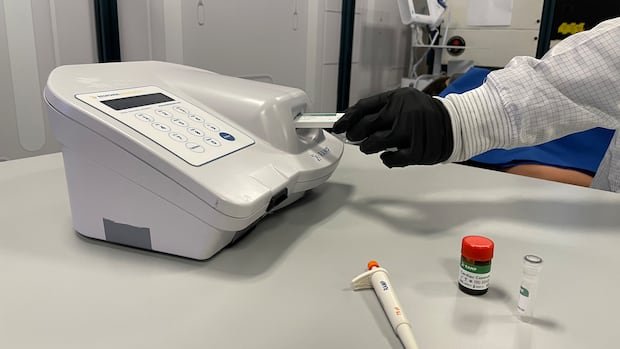
One key instrument developed in this partnership is capable of measuring D-dimer levels in the blood, a critical indicator of clotting. Known as Acute Care Testing in Space (ACTIS), this device, derived from the company’s existing RAMP technology, can swiftly detect not only blood clots but also other medical conditions like heart attacks and infectious diseases such as COVID-19.
The efficiency of this portable blood testing device, providing rapid results within minutes, makes it invaluable for space missions and terrestrial healthcare settings alike. The technology’s versatility and reliability have positioned it for potential future deployment on longer space voyages, including missions to the moon or even Mars, aligning with NASA’s ambitions for human space exploration.
Both NASA and CSA officials have hailed the selection of ACTIS for the International Space Station (ISS) as a significant achievement for Canada, showcasing the country’s technological prowess and contribution to space innovation. This collaboration signifies a milestone for Response Biomedical, demonstrating the enduring value and adaptability of Canadian-developed technology in the realm of space exploration and healthcare advancements.

