
The growth of women’s sports, including the WNBA, has been remarkable, marked by popular players, diverse personalities, new teams, packed stadiums, and strong merchandise sales. However, the WNBA faces challenges, as seen in the recent championship final overshadowed by off-court drama and criticisms of league management.
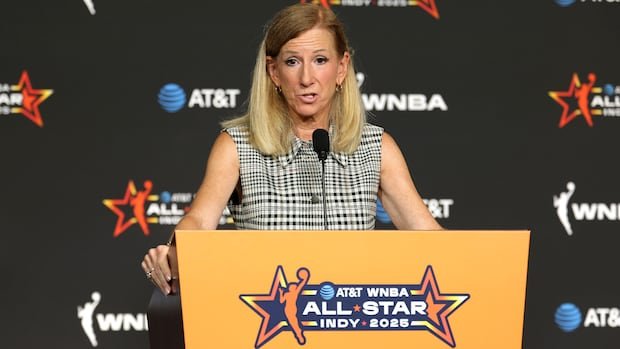
Following a heated playoff loss, star player Napheesa Collier publicly criticized WNBA commissioner Cathy Engelbert for a perceived lack of leadership and accountability. Collier highlighted negative remarks made by Engelbert about a fellow player and raised concerns about officiating and profit-driven decisions within the league.
Collier’s bold statement comes as she leads negotiations for a new collective bargaining agreement for the players, with a looming deadline of October 31. While Engelbert expressed disappointment at Collier’s comments, she did not refute them, signaling potential unrest within the league.
Support from fellow players and Collier’s involvement in player advocacy initiatives like Unrivaled, a league for off-season play, underscore the unity among WNBA athletes in demanding fair treatment and respect. The league’s players have established themselves as influential voices in sports activism, pushing for greater rights and recognition both on and off the court.
As the WNBA navigates these challenges, there is a call for league leadership to prioritize player welfare and address longstanding issues to ensure a sustainable and supportive environment. The upcoming negotiations and the departure of Engelbert post-CBA finalization signal a potential turning point for the league as it strives to uphold its values of inclusivity and empowerment.

