
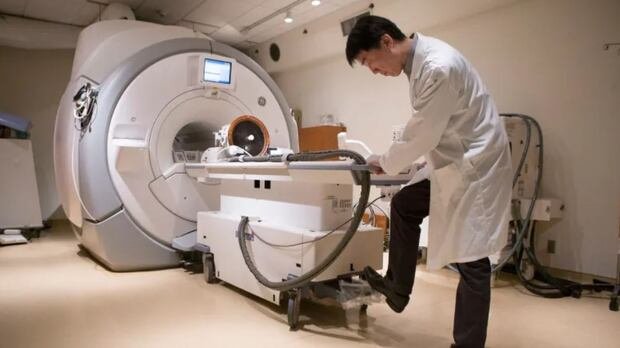
The typical wait time for an MRI in Manitoba has reached its peak since at least 2019, following the election of the provincial NDP almost two years ago on a pledge to overhaul the healthcare system. According to provincial statistics, the average median wait for an MRI has risen to 26 weeks in 2025 from 20 weeks in 2023.
Nikita Lindenberg is one of approximately 28,000 patients from Manitoba waiting for an MRI in 2025, with half experiencing wait times exceeding six months. Lindenberg injured her knee in December when her dog accidentally collided with her leg while she was outside during the Christmas season. Despite experiencing severe pain and swelling, initial X-rays did not reveal any fractures. However, due to the lengthy three to four-month wait time for an MRI, she was advised that her injury might heal before the test could be conducted.
After several months of persistent pain and swelling, Lindenberg advocated for an MRI. In August, she received notice from Shared Health assigning her an MRI appointment in March 2026. Lindenberg expressed frustration, stating that her injury would be over a year old by the time she receives the necessary diagnosis.
The Canadian Association of Medical Radiation Technologists attributes the escalating MRI wait times to various factors, including aged equipment leading to prolonged breakdowns, an aging population, staff burnout, and the training process for technologists in Manitoba. The association emphasized the need for adequate resources to facilitate timely scans.
Manitoba currently has 115 certified MRI technologists, although the number fluctuates due to retirements and workforce turnover. Red River College Polytech offers the exclusive MRI technologist program in Manitoba, posing challenges for aspiring students who must have prior qualifications in related fields.
Health Minister Uzoma Asagwara highlighted ongoing efforts to collaborate with educational institutions, particularly Red River, to streamline training pathways and attract more students to the profession. The province is also considering expanding MRI facilities to address the growing demand.
In response to inquiries about equipment malfunctions and the rising MRI wait times, Shared Health did not provide a response before publication. Shared Health has introduced return of service agreements for individuals enrolling in Red River’s MRI program and implemented guidelines for primary care providers when requesting knee MRIs to ensure appropriate case selection.
As Lindenberg continues physiotherapy without a definitive diagnosis, she emphasized the importance of understanding her condition to plan for effective treatment.

