


The office of federal Housing Minister Gregor Robertson has stated that the Liberal government continues to be dedicated to halving municipal development charges, following the minister’s ambiguous comments regarding this commitment during a news conference in Toronto on Tuesday.
When asked if the government still plans to reduce the fees to make homebuilding more affordable, Robertson responded,
“Development charges present a significant obstacle in the cost of construction throughout Canada, which is precisely why we committed to decreasing those charges,” without providing specifics on the government’s current status regarding these changes.
“We were initially aiming for a 50 percent reduction in collaboration with provinces and territories. We’re currently progressing through that process nationwide.”
The minister indicated that further information would be available in the federal budget scheduled for November 4.
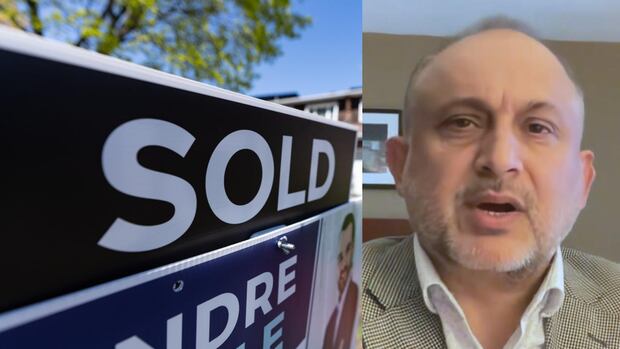
Renee Proctor, the minister’s press secretary, later reassured The Canadian Press that the pledge to reduce development charges remains intact.
“Canadians entrusted us with a mandate to act swiftly, cut costs, and facilitate housing construction. As outlined in our platform, we are committed to slashing municipal development charges by half for multi-unit residential projects. We look forward to sharing more information soon,” she stated.
The Liberal Party’s platform during the spring elections promised to halve development charges for five years by collaborating with provinces and territories to address the revenue shortfalls. The platform highlighted forthcoming federal investments in water, power infrastructure, and wastewater systems as potential ways to compensate for the lost revenue.
Development charges—fees paid by builders mainly to cover the costs of infrastructure linked to new housing—have become a rapidly increasing source of funding for municipalities in recent times.
Some advocates argue that these escalating fees contribute to the cost of construction and hinder efforts to address the housing supply crisis in Canada.
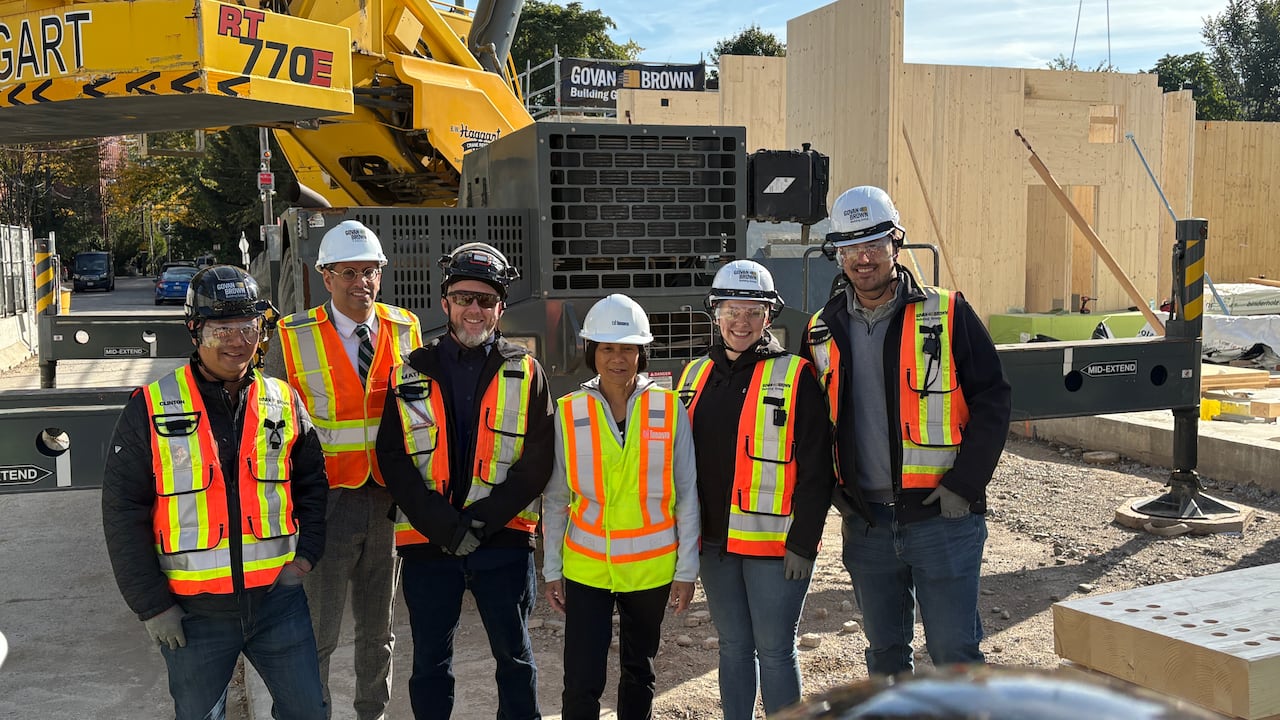
During the news conference on Friday, Toronto Mayor Olivia Chow mentioned that the city is actively collaborating with Minister of Housing Gregor Robertson to construct 25,000 affordable homes in the city. (Mirna Djukic/CBC)
At the same media event, Toronto Mayor Olivia Chow emphasized that financing remains a significant barrier preventing many builders from starting construction, which is why the city is in discussions with Ottawa about modifying development charges.
“Our primary focus is on reducing the cost of construction. That’s our objective,” Robertson expressed to reporters.
“Infrastructure costs for cities are a major component of that expense, and development charges—particularly in Toronto and Vancouver, my hometown—are intricately linked to those infrastructure costs.”
Proctor also highlighted Robertson’s statement at the Union of B.C. Municipalities convention last month regarding Ottawa’s aim to develop a program to “strike a balance” between lowering development charges and ensuring local governments are investing in housing infrastructure.
Robertson noted at that time that addressing these building costs can be complex since municipalities manage development fees differently across the nation, with some not imposing any fees at all.
“There is no straightforward solution, but we will be rolling out these improvements later this fall,” he stated in September.
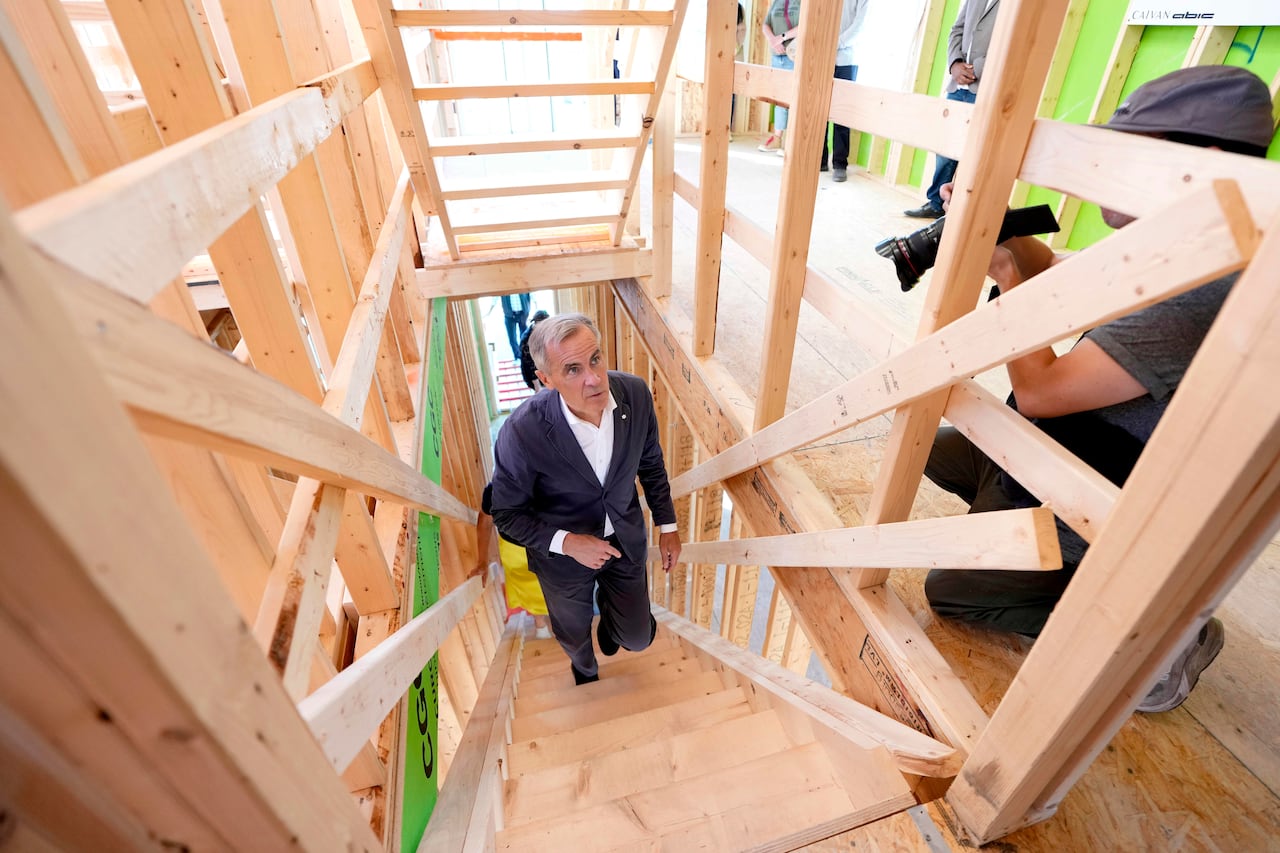
Prime Minister Mark Carney has pledged that Canada will double its housing construction rate. (Justin Tang/The Canadian Press)
The minister was in Toronto to announce federal funding for the city’s sewer infrastructure and for the first housing initiative to be launched through the new affordable housing agency, Build Canada Homes.
The federal government will allocate up to $283 million from the Canada Housing Infrastructure Fund to enhance the Black Creek sewer system in the city, alongside $425 million in contributions from the city.
This sewer system currently serves approximately 350,000 residents. According to a media release from Housing, Infrastructure and Communities Canada, the improvements to this line will enable Toronto to expand the system and support the construction of an additional 63,000 homes.
The initial Build Canada Homes project will introduce 540 units at Arbo Downsview, with at least 40 percent designated as affordable housing. The agency is set to issue a request for qualifications this week for developers capable of employing factory-built housing technologies for the project.
