
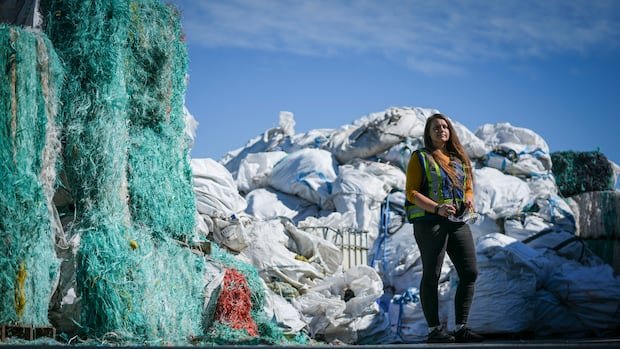
At a bustling recycling warehouse, Chloé Dubois supervises a bag filled with numerous small plastic pellets. These pellets, once part of fishing gear, are now being repurposed from marine plastic waste plaguing Canada’s oceans. Dubois, co-founder of the Ocean Legacy Foundation in British Columbia, emphasizes the urgency of tackling plastic pollution to protect biodiversity locally and globally.
However, recent government budget cuts are jeopardizing the foundation’s initiatives. Ocean Legacy, which sells the plastic pellets to manufacturers, previously relied on funding from provincial and federal ocean cleanup projects like the Ghost Gear Fund. Unfortunately, these funding sources were not renewed this year, causing financial strain on the foundation and other organizations involved in ocean cleanup efforts.
The issue of “ghost gear,” abandoned fishing equipment that poses a significant threat to marine life, is a leading cause of animal deaths in the world’s oceans. This gear, totaling about 640,000 tons annually globally, can entangle and harm various marine species, including whales, seals, and turtles.
Ocean Legacy’s recycling process involves collecting discarded fishing nets and ropes, melting them down, and transforming them into pellets for manufacturing new products like furniture and boards. The foundation aims to expand its operations to the East Coast to address the nationwide problem of marine plastic waste.
Despite the positive impact of recycling marine plastics, the lack of government support is hindering Ocean Legacy’s operations. Funding from programs like the Ghost Gear initiative has ceased, leaving the foundation struggling to sustain its activities. Dubois emphasizes the importance of securing funding to retain experienced staff and continue essential cleanup and restoration work.
In response to the funding challenges, Ocean Legacy is exploring alternative revenue sources such as tug and barge services or online education. However, environmentalists like Anthony Merante from Oceana Canada highlight that recycling alone cannot solve the plastic pollution crisis. They advocate for stronger regulations to reduce plastic production and single-use plastics to address the root cause of the issue.

