
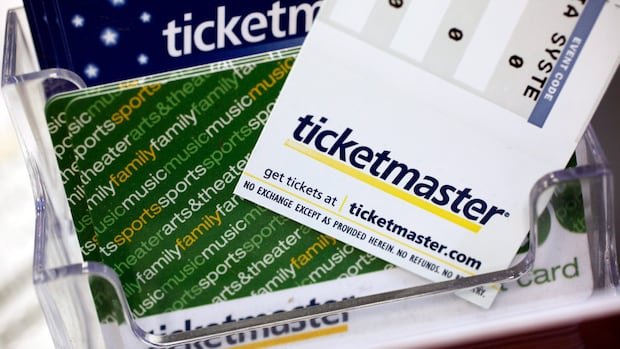
The U.S. Federal Trade Commission (FTC) and a group of state attorneys general filed a lawsuit against Ticketmaster and its parent company, accusing them of using unlawful methods to make consumers pay more for live event tickets. The FTC stated that Live Nation and Ticketmaster have misled consumers by advertising lower ticket prices and falsely claiming to enforce strict purchase limits, while in reality, they collaborate with ticket brokers who surpass these limits. These brokers use fake accounts to buy tickets in bulk, reselling them at higher prices on Ticketmaster’s platform to which Ticketmaster adds extra fees.
According to the FTC, Ticketmaster dominates over 80% of primary ticket sales for major U.S. concert venues, with consumers spending over $82.6 billion on Ticketmaster tickets between 2019 and 2024. FTC Chairman Andrew Ferguson emphasized that live entertainment should be affordable and accessible to everyone, criticizing the current pricing practices.
The lawsuit was filed in the U.S. District Court for the Central District of California, with attorneys general from several states joining. Ticketmaster’s controversial practices came under scrutiny after ticket sales issues during Taylor Swift’s tour in 2022 and subsequent investigations. Efforts to reform the industry have been slow, with the Biden administration recently implementing rules against hidden fees.
The FTC also initiated legal action against a Maryland-based ticket broker for similar practices. In response, experts suggest that Canada’s Competition Bureau might follow the U.S.’s lead in investigating Ticketmaster for deceptive pricing strategies. In the past, the Canadian Competition Bureau sued Ticketmaster for misleading customers with hidden fees, resulting in a settlement agreement earlier this year.
It is anticipated that the U.S. lawsuit against Ticketmaster could unfold over several years, potentially leading to a settlement. However, doubts remain about whether such agreements will truly benefit consumers. The Competition Bureau in Canada has not confirmed any similar investigations but remains aware of the U.S. lawsuit.

