
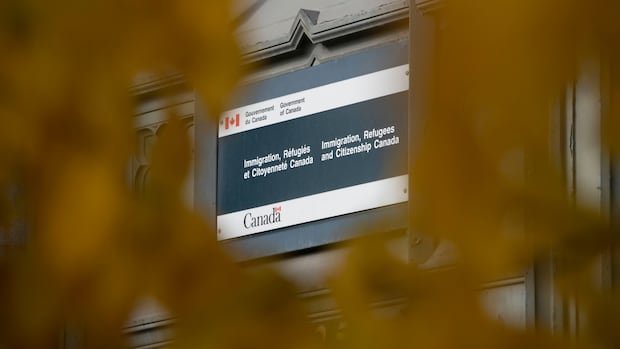
As the federal government’s temporary hotel accommodation initiative for asylum seekers draws to a close this month, advocates are calling for solutions and support for Ottawa families, particularly as officials are suggesting that claimants consider relocating to other regions, including the Maritimes.
Earlier this summer, Immigration, Refugees and Citizenship Canada (IRCC) announced that funding for hotel operations would cease on September 30. The department assured assistance in finding long-term housing for those still residing in hotels before the program concludes. However, with only a week remaining, organizations aiding asylum seekers in the capital report that families they assist are facing urgent challenges.
Louisa Taylor, the executive director of Refugee 613, a non-profit organization aiding refugees, expressed concerns about the distress faced by these families. They are under pressure to secure alternative housing before the deadline, with the added stress of financial constraints hindering their search in the private rental market.
According to IRCC, as of September 17, 136 asylum claimants were accommodated in a hotel in Ottawa, with many being families with young children.
The federal government has been financially supporting hotel accommodations for asylum seekers nationwide for several years to cope with increased migration flows. IRCC disclosed an expenditure of approximately $1.1 billion on temporary hotel housing since 2020.
Despite IRCC’s assurances of assisting claimants in finding new housing options by the deadline, stakeholders involved in assisting them report a different reality on the ground.
Stéfanie Morris, a refugee lawyer working in Ottawa, has reached out to IRCC representatives seeking clarity on the situation. She highlighted the financial challenges faced by families, emphasizing that the options provided do not align with their needs.
Morris advocates for a comprehensive transition strategy that does not burden municipalities when shelters are already at full capacity.
Shea Kiely, the executive director of Housing Help, noted the extended waiting period for subsidized housing in Ottawa, with shelters and transitional housing operating at maximum capacity.
The City of Ottawa emphasized that family shelters are overcrowded and reiterated its commitment to facilitating a smooth and safe transition for families leaving the hotels.
IRCC spokesperson Isabelle Dubois stated that the department is collaborating with other government levels to ensure claimants transition into stable housing but did not provide further details.
Olivia Huynh, the executive director of New Brunswick Refugee Clinic, raised concerns about the potential relocation of asylum claimants to the province, citing housing affordability challenges and limited legal aid resources.
Advocates stress that displacing Ottawa families again could present significant difficulties, particularly for those who have established themselves in the community. They urge for continued support and understanding towards asylum seekers who sought refuge in the country.

