
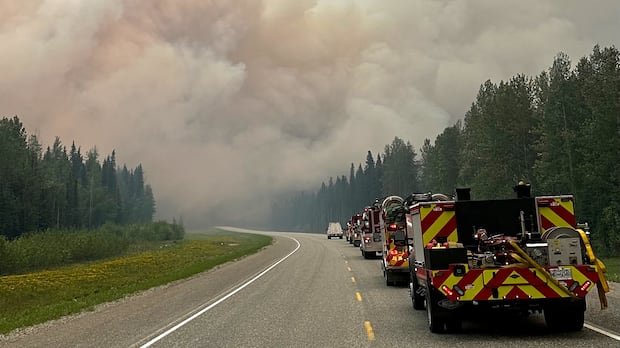

We received input from our audience members like yourself, prompting this story. Feel free to share your queries about wildfires and air quality with us at ask@cbc.ca
The current year has seen the second-highest wildfire season in Canada’s history following the data provided by the Canadian Interagency Forest Fire Centre (CIFFC) and Natural Resources Canada. Experts and emergency responders caution that this trend serves as a prelude to future occurrences as climate change progresses.
With Canadians adjusting to increased wildfires and deteriorating air conditions, CBC News enlisted the expertise of Johanna Wagstaffe, a meteorologist, seismologist, and scientist, along with Laura Lynch, host of CBC’s “What On Earth,” to respond to your inquiries.
Can we expect this to be a recurring issue every summer?
Yes, and it is anticipated to worsen over time.
“We are witnessing longer, hotter, and drier seasons globally, particularly in Canada. This leads to more severe wildfire seasons,” Wagstaffe remarked.
The World Weather Attribution Group, comprising meteorologists, promptly evaluates weather data to determine the extent of climate change influence on particular events, aiding in the swift association of adverse wildfire seasons worldwide with climate change.
“These consecutive unprecedented seasons are becoming more frequent, and while I am reluctant to label it as a ‘new normal’ due to its continual evolution, unfortunately, this represents our current reality,” Wagstaffe stated.
How is the amount of smoke in the air measured?
Assessing smoke levels in the air is not a simple task.
Canada primarily utilizes the Air Quality Health Index (AQHI), offering a comprehensive overview of air quality. Various monitoring stations across the country, calibrated by experts, analyze air samples. These stations, some situated at ground level, physically collect air samples for examination.
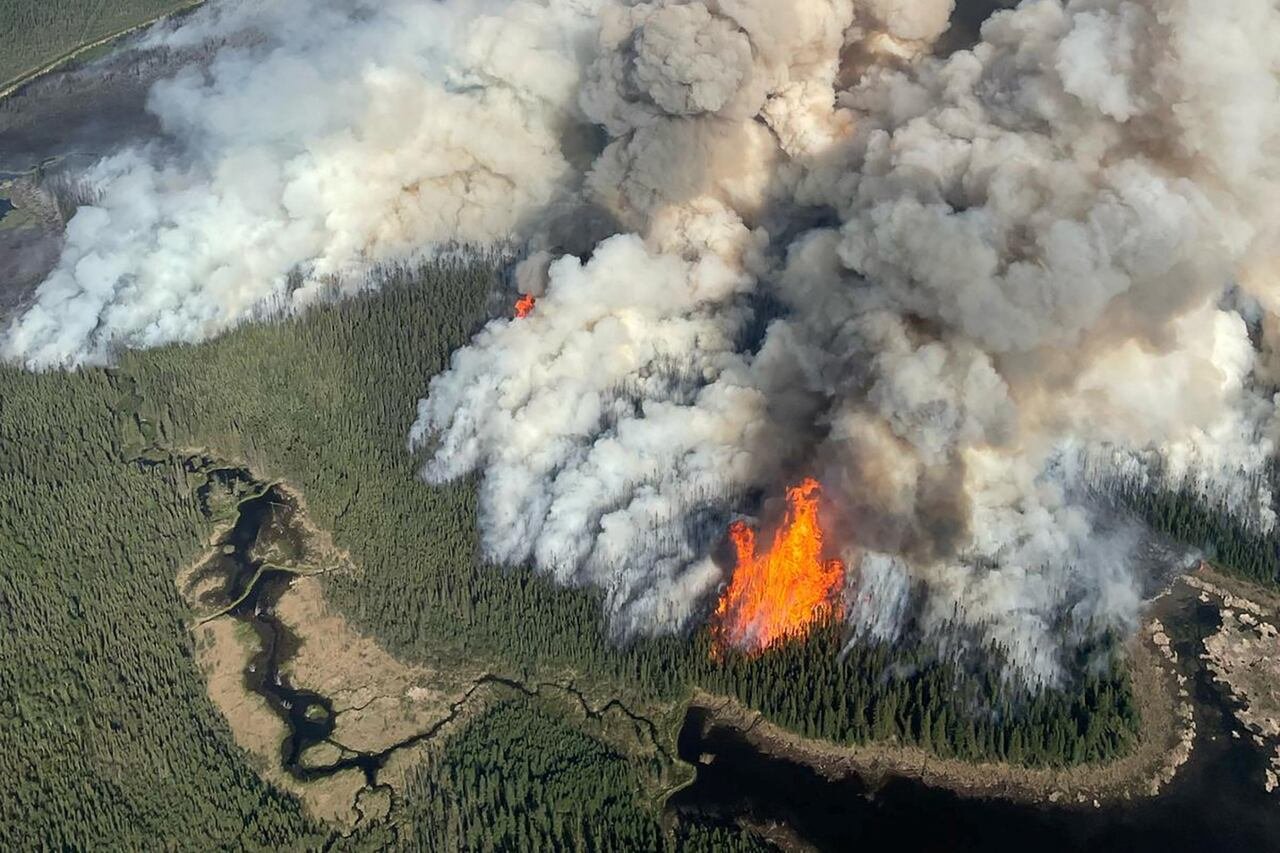
These stations analyze fine particulate matter, various harmful chemicals, and low-level ozone. Measurements like parts per million of air pollutants are taken, consolidated into the AQHI, providing the public with an understanding of their health risks on any given day. Ratings exceeding 10 are deemed high risk.
What impact does air quality have on our well-being?
Research reveals that wildfire smoke poses a more significant health risk than previously believed.
Wagstaffe emphasized, “Wildfire smoke can linger in the atmosphere for extended periods and travel great distances.”
“Whether originating in British Columbia, neighboring regions, or even overseas, smoke can be carried by the jet stream across the nation, as observed this summer when Toronto residents experienced smoke from Manitoba fires.”
