
A recent study has identified the perilous situation facing numerous freshwater fish species, with the dorado catfish standing out as a prime example. This giant fish, native to the Amazon region, embarks on an arduous migration from the Amazon estuary in Brazil to the Andes Mountains across several South American countries, covering a staggering distance of up to 11,000 kilometers throughout its lifetime.
Sadly, the dorado catfish, along with other migratory freshwater fish, faces mounting threats such as habitat destruction, overfishing, and obstacles like dams impeding their traditional migration routes. Zeb Hogan, a biologist from the University of Nevada, emphasized the critical importance of these migratory patterns, warning that blocking these essential movements could lead to the extinction of species and the depletion of fish stocks.
Conducted by the World Wildlife Fund, the Convention on the Conservation of Migratory Species of Wild Animals, and the University of Nevada, a comprehensive global assessment highlighted that 325 migratory fish species crossing international borders urgently require coordinated efforts to ensure their survival. Hogan stressed the necessity for international collaboration in managing and safeguarding these vulnerable species facing decline and extinction risks.
The challenges confronting migratory fish, such as the dorado catfish, are multifaceted. Dams present a significant barrier, disrupting both upstream migration and the return journey of fish after spawning. Moreover, habitat degradation, driven by activities like mining and agriculture, coupled with unsustainable fishing practices, compound the threats faced by these species.
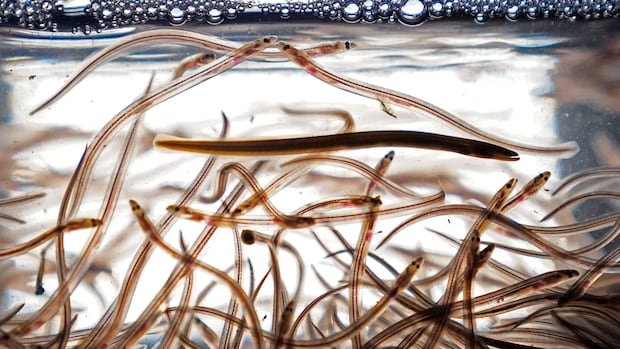
Apart from the Amazonian catfish, other species like the American eel, as mentioned in the recent report, are also under scrutiny. Despite the decision against listing the American eel as a species at risk by the Canadian federal government, concerns persist regarding its conservation status. Steven Cooke, a Canadian fisheries biologist at Carleton University, highlighted the challenges encountered by American eels during their migration from the Sargasso Sea to freshwater habitats, emphasizing the high mortality rates due to encounters with hydropower facilities.
Migratory fish play a crucial role in ecosystems and provide various benefits, including nutrient cycling and food security for communities. Cooke underscored the significance of these fish in supporting low-income populations and emphasized the need to protect their migratory pathways to ensure their continued contribution to ecosystems and human well-being.
Efforts to safeguard migratory fish populations require international cooperation and concerted action to grant them safe passage across borders. Cooke emphasized the simplicity of the solution—ensuring unimpeded migration routes for these fish. However, challenges remain, with the need for comprehensive cooperation among countries along migratory paths to address conservation issues effectively.
Awareness and storytelling play a pivotal role in garnering support for the protection of migratory fish. Zeb Hogan expressed optimism following commitments made at a United Nations conference in Brazil to protect the dorado catfish, signaling a potential turning point in efforts to safeguard these iconic freshwater species.
The journey to protect migratory fish species is ongoing, with stakeholders emphasizing the importance of collaborative action and public engagement in securing the future of these vital aquatic creatures.

