
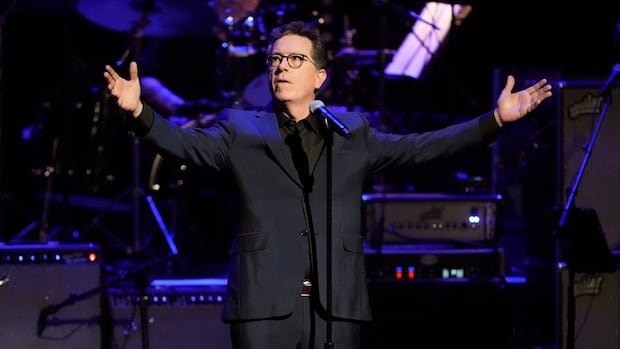
A dispute between comedian Stephen Colbert and the television network broadcasting his late-night program has shed light on a long-standing broadcasting regulation known as the equal time rule. During a recent episode of “The Late Show with Stephen Colbert,” the host revealed that CBS lawyers informed him that he could not feature an interview with Texas Democratic candidate James Talarico, who is running for the Senate. Colbert humorously addressed the situation on his show, highlighting the conflict and its implications.
While Colbert described CBS’s stance as a prohibition, the network refuted this characterization, clarifying that they had offered legal advice based on the FCC’s equal-time rule. This rule requires broadcasters to provide equal airtime to all candidates participating in elections, forming the crux of the disagreement between Colbert and CBS.
The equal time rule, rooted in the Communications Act of 1934, mandates that if one candidate receives airtime, all other candidates vying for the same position must be granted a similar opportunity. While exceptions exist for certain program types like newscasts and documentaries, the rule aims to avoid bias in broadcasting political content. However, it primarily applies to traditional broadcast TV and radio, excluding streaming platforms and social media.
Over the years, the interpretation and enforcement of the equal time rule have evolved. Late-night hosts have historically enjoyed leeway in interviewing politicians without having to provide equal time to opposing candidates. Despite this, recent guidance from the FCC under the Trump administration suggests a shift in this interpretation, prompting a reevaluation of talk show exemptions from the rule.
Colbert’s criticism of FCC Chairman Brendan Carr’s motives reflects concerns about potential partisan influence on media regulations. While the FCC maintains that the rule was not violated in Colbert’s case, the broader implications of FCC scrutiny on political content in broadcasting raise questions about freedom of expression and media compliance.
Although the interview in question remains accessible on digital platforms like YouTube, the ongoing relevance of the equal time rule, especially in the digital age, is debated. Advocates argue that the rule’s core objective of ensuring diverse viewpoints in media remains pertinent, even as media consumption habits evolve. However, the recent FCC guidance has sparked fears of a chilling effect on political interviews, potentially limiting discourse and voter information dissemination.
As the media landscape continues to evolve, the implications of regulatory changes on political content and free expression remain subjects of debate and concern.

