
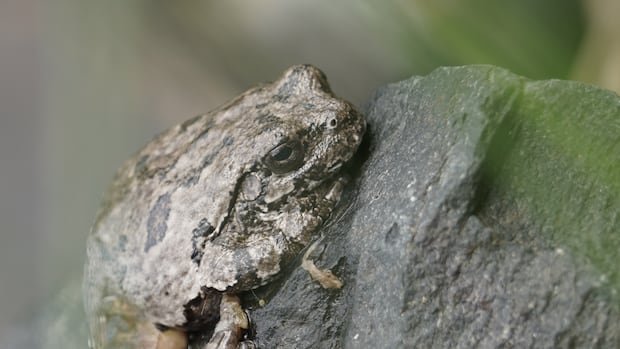
A deadly fungal disease known as chytridiomycosis is causing thickened skin to fall off lethargic frogs and toads in patches, leading to struggles with breathing and eating. This epidemic has been linked to the extinction of numerous amphibian species globally. While not yet detected in Manitoba, Canada, it is likely present in the province, given its widespread presence on the continent.
Chytrid infects frogs through the fungus Batrachochytrium dendrobatidis and salamanders through Batrachochytrium salamandrivorans. The latter, originating in East Asia, has devastated local salamander populations in parts of Europe but has not spread to North America as far as current scientific knowledge goes.
Chytridiomycosis has directly caused the extinction of over 90 species and negatively impacted more than 500 others. This disease has been described as the worst infectious disease among vertebrates, with its prevalence increasing in the U.S. and Canada in recent years.
Chytrid has been confirmed in frog populations in various regions of Canada, including Alberta and British Columbia, where a significant percentage of frogs tested positive. The northern leopard frog, listed as endangered in parts of Western Canada and of special concern in Manitoba, has experienced population declines possibly linked to chytrid outbreaks.
While chytrid has not been officially detected in Manitoba, ongoing research and monitoring efforts, spearheaded by Jackie Tran, a graduate student at Brandon University, aim to ascertain the presence of this deadly fungal pathogen in the province’s amphibian populations. These proactive monitoring initiatives could potentially help mitigate declines in amphibian populations if chytrid is confirmed in Manitoba.
Tran’s work, which involves identifying potential habitats conducive to pathogen spread, is part of a broader pathogen monitoring program initiated in the U.S. by Brandon University. The health of wetlands, crucial for amphibian survival, is integral to broader ecosystem health and human well-being. Researchers are hopeful that early detection of chytrid in Manitoba could lead to effective conservation strategies to safeguard amphibian populations.
Results from field experiments suggest that young leopard frogs can be protected from the severe effects of chytrid through inoculation, offering a glimmer of hope for the conservation of amphibians. Scaling up these treatments could improve the success of reintroduction efforts and contribute to the protection of amphibian species facing chytrid threats in Manitoba.

