
Councillors from two British Columbia (B.C.) communities have expressed approval of the premier’s introduction of involuntary care facilities in response to public safety concerns. This move comes despite criticism from a drug policy expert who argues that compelling individuals into drug treatment is not effective.
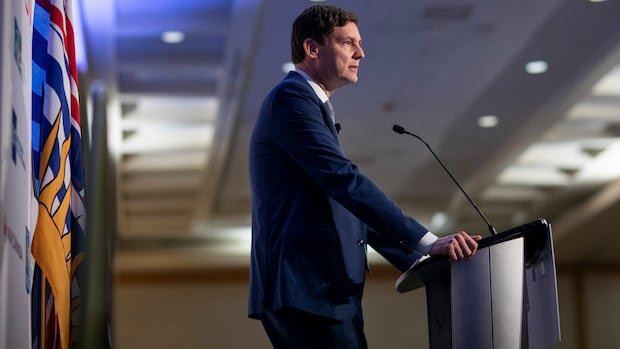
During the Union of B.C. Municipalities (UBCM) convention, B.C. Premier David Eby disclosed that Surrey and Prince George would soon house new involuntary care facilities. The premier cited the pressing issues of public disorder and drug use as the primary drivers behind the establishment of 100 additional involuntary treatment beds across both communities.
Local councillors in Surrey and Prince George welcomed the announcement, emphasizing the urgent demand for addiction treatment services in their respective regions. Prince George Coun. Trudy Klassen expressed relief at the news, acknowledging that while it marks a positive start, more actions are necessary to address the challenges effectively.
Klassen highlighted the strain on healthcare services in Prince George due to the absence of an involuntary care facility, leading to overutilization of hospital beds meant for psychiatric patients. She stressed the need for more comprehensive care options for individuals requiring extended treatment.
Surrey Coun. Linda Annis echoed the sentiment, noting that while the promised facilities are a step in the right direction, they represent only a fraction of the required resources. Annis underscored the city’s broader need for enhanced housing and social services to address underlying issues contributing to street disorder.
On the other hand, DJ Larkin, the executive director of the Canadian Drug Policy Coalition, raised concerns about the emphasis on involuntary care, suggesting that such decisions should be based on clinical considerations rather than political motives. Larkin emphasized the importance of improving voluntary care quality to prevent repeated overdoses and associated health risks.
Kora DeBeck, a professor specializing in research on the toxic drug crisis at Simon Fraser University’s school of public policy, supported the funding initiative while cautioning against the efficacy of coercive treatment approaches. DeBeck emphasized the need for comprehensive strategies, including safer drug supply options and community support, to address the root causes of public drug use effectively.

