
This week has seen a flurry of activity in the realm of artificial intelligence, with a notable development involving two mathematicians, 10,000 AI agents, and a prestigious million-dollar prize. The situation has sparked a contentious debate over alleged intellectual property theft and academic misconduct.
Despite the heated discussions, some experts view this event as a testament to the power of artificial intelligence in tackling complex challenges. However, others argue that it deviates from the essence of academic research and the importance of human collaboration.
The recent controversy in the field of pure mathematics revolves around a significant claim made by OpenAI on Tuesday. The claim asserts that they have successfully solved a long-standing mathematical problem related to the Navier-Stokes equations.
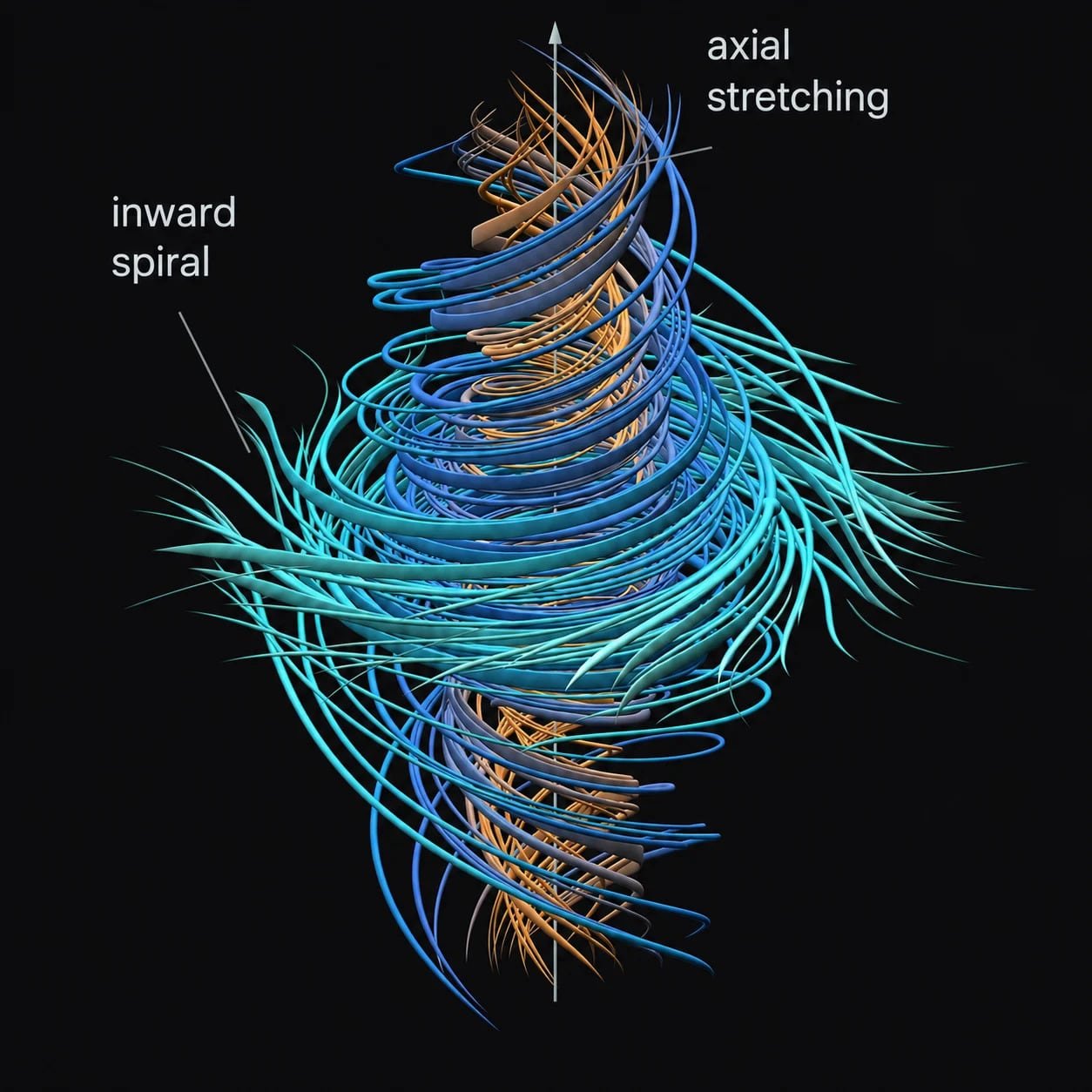
The Navier-Stokes equations are fundamental in describing the behavior of fluids, such as gases and liquids, over time. These equations provide a framework for predicting fluid dynamics and have practical applications in various fields. The complexity of the problem is highlighted by its inclusion in the prestigious Millennium Prize Problems, which offer a substantial monetary reward for verified solutions.

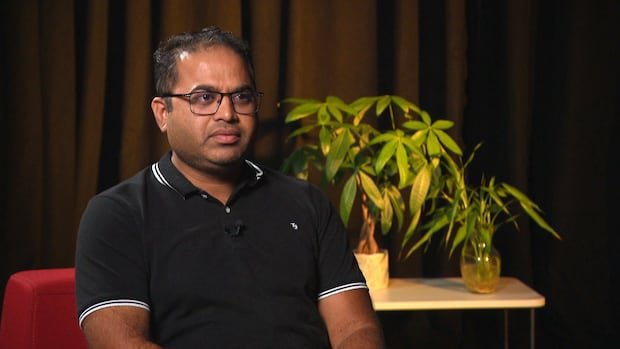
According to Ravi Vakil, a mathematics professor at Stanford University, understanding the Navier-Stokes equations is akin to unraveling a profound mystery that could potentially impact our understanding of the universe. He analogizes the challenge to knowing everything about your foot, shoe, and a ball but not ruling out the possibility of kicking the ball into space.
OpenAI’s approach involved deploying approximately 10,000 AI agents that operated autonomously with access to advanced tools like internet data and code execution capabilities. In just 88 hours, these agents purportedly arrived at a solution to a problem rooted in centuries-old mathematical inquiry.
While the achievement is remarkable, Vakil emphasizes the necessity of rigorous verification by human experts before fully endorsing the claim. He underscores the importance of human oversight in validating such breakthroughs.
The controversy surrounding this development arose from allegations made by mathematicians Tristan Buckmaster and Levent Alpöge. Buckmaster accused OpenAI of appropriating their work and attempting to offer credit under certain conditions to exclude Alpöge due to his affiliation with a competing AI company.
In response to the accusations, OpenAI denied any wrongdoing, asserting that their AI system operated independently and was not influenced by external prompts or prior work. The dispute underscores the evolving landscape of academic research and the integration of AI tools in mathematical exploration.
Despite the debate surrounding the role of AI in mathematical advancements, experts like Davide Gaiotto acknowledge the transformative potential of these tools in accelerating scientific progress. Gaiotto suggests that AI can enable researchers to expedite discoveries and delve deeper into complex problems.
As the mathematical community grapples with the implications of AI integration, voices like Terence Tao emphasize the enduring value of curiosity and exploration in pure mathematics. Tao highlights the essence of intellectual pursuit beyond mere problem-solving, emphasizing the intrinsic value of the journey of discovery.

