
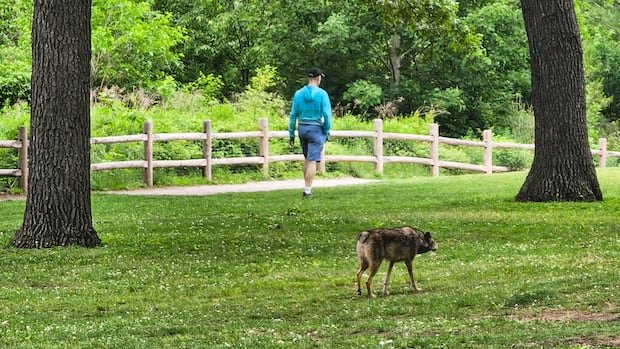
A recent academic study led by a biologist from Trent University proposes a reevaluation of Toronto’s coyote management approach, sparking disagreement among animal advocates. The lead author, Dennis Murray, recommends euthanizing persistent nuisance coyotes promptly, criticizing the city’s current strategy of waiting for the animals to leave voluntarily.
Toronto has witnessed a surge in encounters between residents and coyotes in areas like Liberty Village and Fort York, with nine reported coyote bites on people and numerous dog attacks since 2020. Despite the approved coyote coexistence and response strategy, some suggest the city’s actions have been insufficient.
City spokesperson Mahreen Dasoo highlighted historical challenges with removing coyotes, emphasizing the need to address underlying factors causing conflicts between coyotes and humans. The debate intensifies as concerns over public safety escalate, with recent incidents of coyote attacks on both people and pets in the Greater Toronto Area.
Murray’s research, published in the journal Frontiers in Ecology and Evolution, questions the effectiveness of hazing techniques in deterring coyotes and advocates for a more proactive approach to coyote control. He urges municipalities to prioritize safety over coexistence ideals to mitigate risks effectively.
The city’s updated coyote response plan outlines a tiered system for addressing coyote interactions, ranging from sightings to attacks on humans, with corresponding intervention strategies. While the strategy emphasizes public education and aversion methods, Murray argues for a more decisive and timely response to problematic coyotes.
Amidst differing opinions on coyote management, animal rights groups like Animal Justice advocate against widespread culls, suggesting alternative measures like relocation for aggressive coyotes. However, the feasibility of relocation in urban settings, as per provincial regulations, remains a contentious issue.
In Liberty Village, residents express mixed feelings on euthanizing coyotes, emphasizing the need to balance pet safety with wildlife conservation. As discussions continue on the best course of action, the city faces challenges in striking a balance between human safety and wildlife preservation.

