
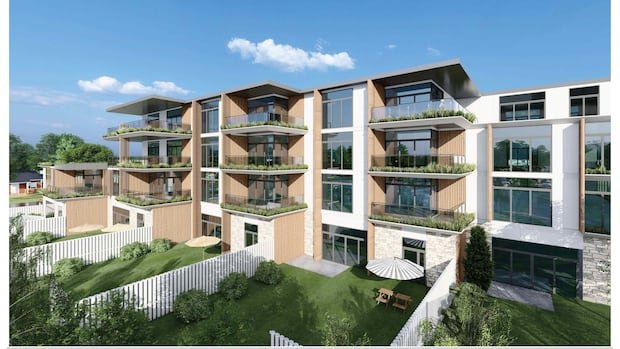
The City of Windsor is set to disclose information soon about its expression of interest process for the Roseland Golf Course clubhouse and a section of the parking lot, according to a spokesperson. Seeking developers keen on constructing a new clubhouse and a condominium complex, the city council recently approved a $2.5 million contract for demolishing the existing closed clubhouse at Roseland.
The vote, with a 9-1 majority in favor, led by Mayor Drew Dilkens, also included redirecting utilities to ensure the continued operation of other facilities on the site. However, Coun. Fred Francis dissented, suggesting that the demolition contract should be part of a comprehensive agreement encompassing the construction of a replacement facility instead of integrating a new clubhouse into a prospective condo development.
Highlighting the financial aspects, Francis emphasized that the allocated funds in the city’s capital budget should suffice for rebuilding the clubhouse. In contrast, Dilkens emphasized the need to explore the market dynamics through the demolition and expression of interest phases, indicating flexibility to reconsider rebuilding the clubhouse if the current process yields unsatisfactory options.
Council members, including Coun Kieran McKenzie, expressed support after initially considering opposition, acknowledging the potential opportunity and decision points in the process without significant timeline implications. The debate over the future of Roseland emerged in March 2024 when the city earmarked a portion of the parking lot and the clubhouse for potential housing development under the Housing Solutions Made For Windsor initiative.
While the move to remove the heritage designation from the property section in question was crucial for development in February, community members like Catherine Archer voiced concerns over perceived lack of resident consultation and accountability in decision-making. Archer advocated for alternative uses of the area, such as green spaces or community facilities, rather than high-end condos, emphasizing the public ownership of the parkland and the need for community-centric development.

