
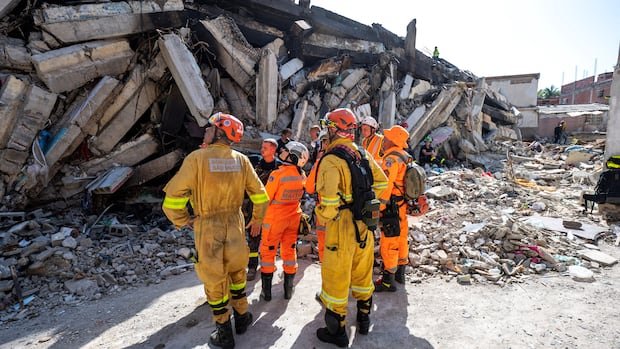

As time runs out to find survivors, citizens in Venezuela are searching through the remains of buildings destroyed by consecutive earthquakes in the state of La Guaira. Relief organizations emphasize the critical importance of the initial 72 hours post-disaster for rescue operations, highlighting the significance of food and water access in prolonging survival. With the death toll exceeding 1,700 individuals, attention has shifted towards the emerging humanitarian crisis in the affected areas.
There are concerns about the ability of the financially strained government, led by acting President Delcy Rodríguez since January, to effectively manage the care of the thousands left homeless by the twin quakes in northern Venezuela. In response to criticism regarding the slow response, the government has been showcasing its rescue efforts on social and state-owned media platforms. Recently, videos were shared of Rodríguez inspecting a converted school shelter in Catia La Mar, along with survivors being rescued from the rubble amidst applause.
However, amidst these glimpses of hope, the reality at the earthquake’s epicenter is grim, with families anxiously waiting at search sites for any news of their missing loved ones.
One such aftershock, measuring 4.6 magnitude according to the United States Geological Survey and 5.1 according to Colombia’s geological survey, rattled the region near the epicenter of the previous quakes. While no immediate reports of additional damage surfaced, the aftershock caused panic in Caracas, prompting residents to flee into the streets.
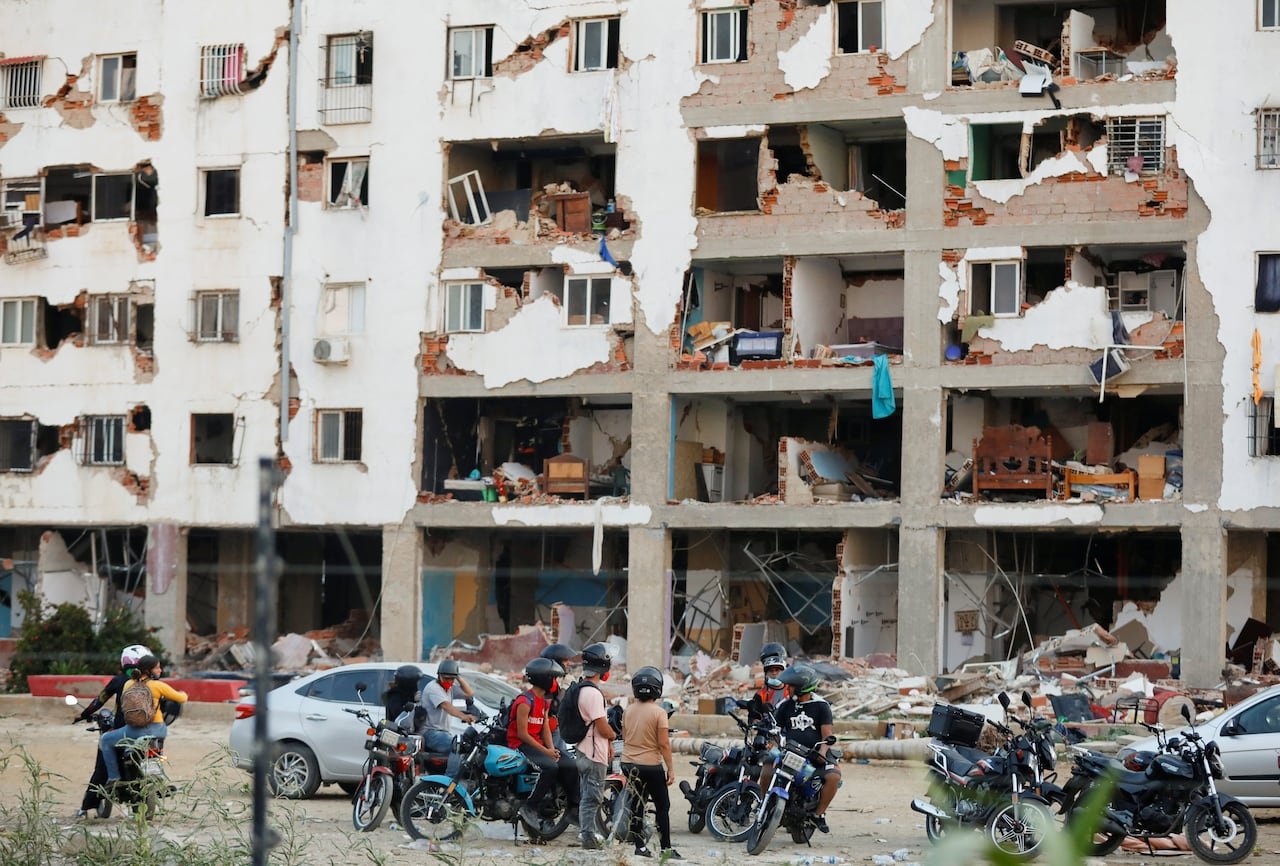
Concepción Hernández, 51, expressed her distress, stating, “Here we are again, back in the street. I don’t know when we’ll have a moment of true peace.” She evacuated her residence in Caracas following the aftershock. The Caracas Metro announced a temporary service suspension for infrastructure assessment in the aftermath of the seismic activity.
Additionally, the impending tropical wave approaching Venezuela is expected to bring heavy rains, posing further threats to the already devastated regions. Gianluca Rampolla del Tindaro, the UN resident co-ordinator in Venezuela, highlighted the challenges this poses for the displaced population, currently exceeding 12,000 individuals.
International Aid Efforts
Given the severity of the disaster, the Trump administration has ramped up support, especially considering its previous involvement in Venezuela’s oil industry. A senior State Department official disclosed that the U.S. has dispatched 300 first responders to aid in the rescue operations alongside numerous international teams. The American military is actively engaged in repair works, including restoration of damaged infrastructure in La Guaira to facilitate the delivery of relief supplies by sea.
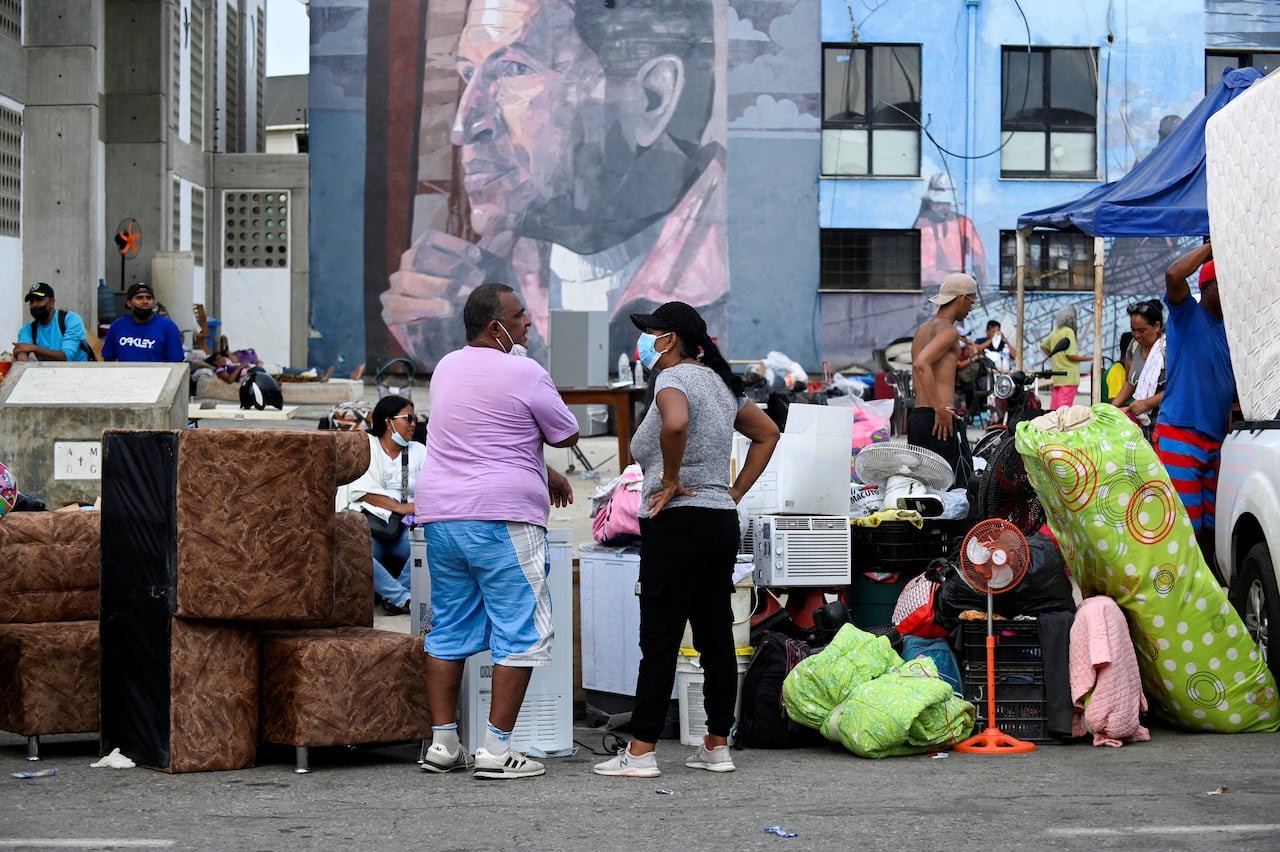
Although financial support from the U.S. has surpassed $300 million, it remains uncertain if temporary legal protections will be extended to affected Venezuelans residing in the U.S., a measure previously undertaken in response to disasters in other nations.
Among the frontline rescuers in La Guaira is Jean Sosa, a miner who returned to Venezuela following deportation from the U.S. in January. Despite the lack of official support, Sosa has been actively involved in rescue efforts, emphasizing the need for adequate resources and equipment to enhance the effectiveness of the operations.
With conflicting figures regarding the extent of the damage, the situation remains ambiguous. Reports by Jorge Rodríguez indicate over 15,800 individuals affected and 855 structures damaged or collapsed. Additional assessments suggest a much larger impact, with NASA estimating nearly 59,000 buildings affected and the United Nations warning that millions of Venezuelans might face displacement or disruption of essential services.
Amidst
