
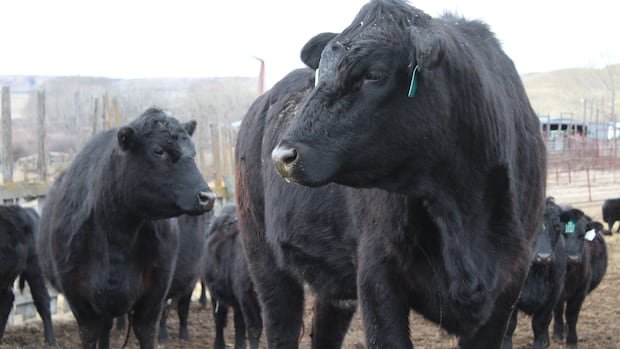
A groundbreaking discovery at the University of Saskatchewan could revolutionize the calving season for beef producers, potentially reducing labor-intensive tasks. Researchers have found that Cetrorelix, a hormone drug commonly used in human in vitro fertilization (IVF), shows promising results for use in cattle reproduction.
Dr. Jaswant Singh, along with graduate students Dylan Farmer and Carlos Leonardi, conducted successful trials with 200 cows using Cetrorelix. The drug acts as an ovulation synchronization method, leading to a more condensed calving period and potentially higher weaning weights for calves.
Garner Deobald, a beef rancher and marketing manager at BoviGen Genetic Services, expressed keen interest in incorporating Cetrorelix into their breeding practices if proven effective. The drug could enhance artificial insemination methods and provide valuable genetic insights for cattle herds.
The University of Saskatchewan has filed a patent for Cetrorelix and is collaborating with pharmaceutical companies to bring it to market. Dr. Singh is optimistic about the drug’s potential benefits for livestock producers worldwide and anticipates increased adoption of artificial insemination techniques.
The research team is confident in the drug’s efficacy, with most regulatory hurdles already cleared. They believe that Cetrorelix could significantly improve breeding practices and productivity within the cattle industry.

