
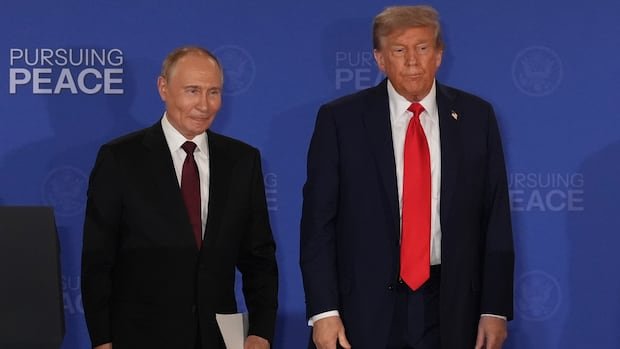
U.S. President Donald Trump announced on Thursday plans for a forthcoming meeting with Russian President Vladimir Putin to address the conflict in Ukraine. The specific date of the meeting in Budapest, Hungary, is yet to be determined. Trump expressed optimism following a recent phone call with Putin, highlighting progress made during their conversation.
This upcoming meeting follows a previous encounter in Alaska in August, which did not result in a breakthrough. Before the Trump-Putin meeting, U.S. officials led by Secretary of State Marco Rubio will engage in discussions with Russian representatives next week, though the location of that meeting remains uncertain. Trump is scheduled to meet with Ukrainian President Volodymyr Zelenskyy at the White House on Friday, where the focus will likely be on potential arms sales, including Tomahawk missiles, to Ukraine.
Trump has shifted his focus from Gaza to Ukraine, emphasizing efforts to bring an end to the conflict in Europe. He is considering providing Kyiv with long-range weaponry like Tomahawk cruise missiles to pressure Russia into negotiations. Trump’s interest in selling Tomahawks to Ukraine has drawn attention, although it may take time to implement and train on this system. Alternatives like Extended Range Attack Munition and Army Tactical Missile System have also been considered for more immediate support.
Zelenskyy is anticipated to urge Trump to impose additional sanctions on Russia during their meeting, a move that Trump has been cautious about thus far. While Congress has explored tougher sanctions, Trump has concentrated on persuading NATO members and allies to halt purchases of Russian oil. The president has also mentioned India’s agreement to cease buying Russian oil. Legislation in the Senate proposing substantial tariffs on countries buying Russian exports is pending Trump’s approval.
The White House has shown increased interest in the Senate bill, signaling a potential shift in Trump’s stance on imposing sanctions on Russia. Administration officials have been actively reviewing the legislation and suggesting revisions, indicating a heightened consideration of the proposed measures. Treasury Secretary Scott Bessent emphasized the importance of European support in responding to Russian aggression, highlighting the collective effort needed to address the threat posed by Putin.

