
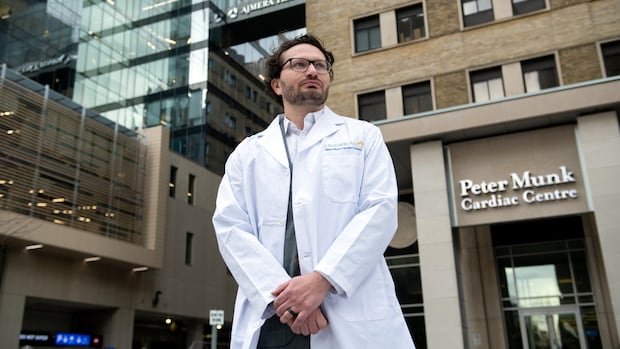
Toronto General Hospital, part of the University Health Network (UHN), recently achieved a significant medical milestone by successfully conducting Canada’s first heart transplant after death by circulatory criteria (DCC). Unlike traditional heart donations from brain-dead donors with a beating heart, the DCC process involves recovering the heart from a patient who has passed away.
Due to advancements in medical technology, hearts from DCC donors, who have no chance of neurological recovery and are not brain dead, can now be transplanted successfully under specific conditions. The procedure involves stopping life support as per the patient’s or family’s wishes, confirming death, and then removing the heart for transplantation.
Dr. Seyed Alireza Rabi, a cardiac surgeon at UHN, highlighted the success of the DCC heart transplant in Toronto, emphasizing its potential to expand the heart donor pool and provide hope for patients with advanced heart failure. This procedure, which has been performed in other countries since 2014, involves critical moments during the warm and cold preservation stages to minimize heart damage and ensure timely transplantation.
The DCC heart transplant represents a major advancement in transplant surgery in Canada, offering new possibilities for Canadians with late-stage heart failure. Dr. Thomas Forbes, UHN’s surgeon-in-chief, emphasized the impact of this procedure in improving life expectancy and quality of life for patients facing end-stage heart failure.
Ontario’s Minister of Health, Sylvia Jones, commended the UHN team for their groundbreaking achievement, underscoring the importance of innovation and collaboration in advancing healthcare and saving lives. The successful DCC heart transplant in Ontario signifies a significant step forward in medical practice and patient care.

