
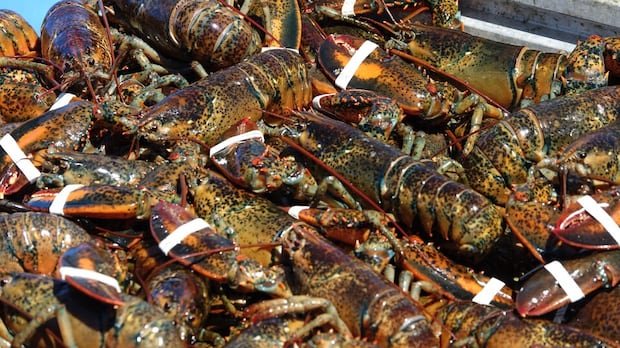

Researchers at the Department of Fisheries and Oceans are examining potential outcomes if lobster populations shift in the seas near Nova Scotia and southern New Brunswick. This analysis includes evaluating the impacts of modifying the duration of fishing seasons and trap quotas, adjusting size restrictions, and other strategies.
Adam Cook, a scientist at DFO and co-author of a recent report, mentioned that certain lobster management practices “have been in place for a considerable period.” The objective of the study is to modernize the scientific basis supporting these measures, considering the changing water temperatures.
“Lobster fisheries remain robust in Canadian waters. Our stock status indicators mostly surpass long-term averages,” Cook stated.
“Our goal is to equip stakeholders with information to anticipate and adapt to potential future changes,” he added.
The department clarified in a statement that no immediate changes to management strategies are planned solely based on the study. Instead, the findings will enable potential adjustments to measures if requested by the industry or deemed necessary due to stock conditions.
Cook emphasized that there is no universal solution for lobster fishing zones 27 to 38, spanning from northern Cape Breton to the Bay of Fundy along the Atlantic coast, which were the primary focus of the assessment. Preserving the species typically requires a combination of interventions, he noted.

The study employed modeling and simulations to assess the effects of various management strategies. It emphasized that adjusting the duration of the fishing season is among the most effective controls since it “consistently reduces exploitation, injury, and incidental mortality.”
“A fishing season starting in March or April and ending in June or July provides a limited timeframe,” Cook explained. “Thus, if considering altering the season, avoiding the summer months, known for lobster moulting and mating, may be advisable.”
Lobsters are highly sensitive to water temperature fluctuations. Colder ocean temperatures lead to reduced lobster activity, impacting catch rates and growth, as well as moulting patterns.
The report also indicated that minor reductions in trap quotas “are unlikely to have significant effects.”
“Substantial trap reductions are necessary to influence exploitation significantly, but such changes would also have notable economic and operational implications,” the report highlighted.
“The effectiveness of trap limits hinges on their scale and must be evaluated alongside fisher behavior and local fishery conditions,” it continued.
The assessment also considered long-term measures such as v-notching, a method where fishermen mark egg-bearing female lobsters by notching their tails before releasing them back into the ocean. This practice helps identify which lobsters should not be harvested.
“Strategically implemented maximum size limits and v-notching programs are gradual measures protecting large, highly reproductive females,” as per the report.
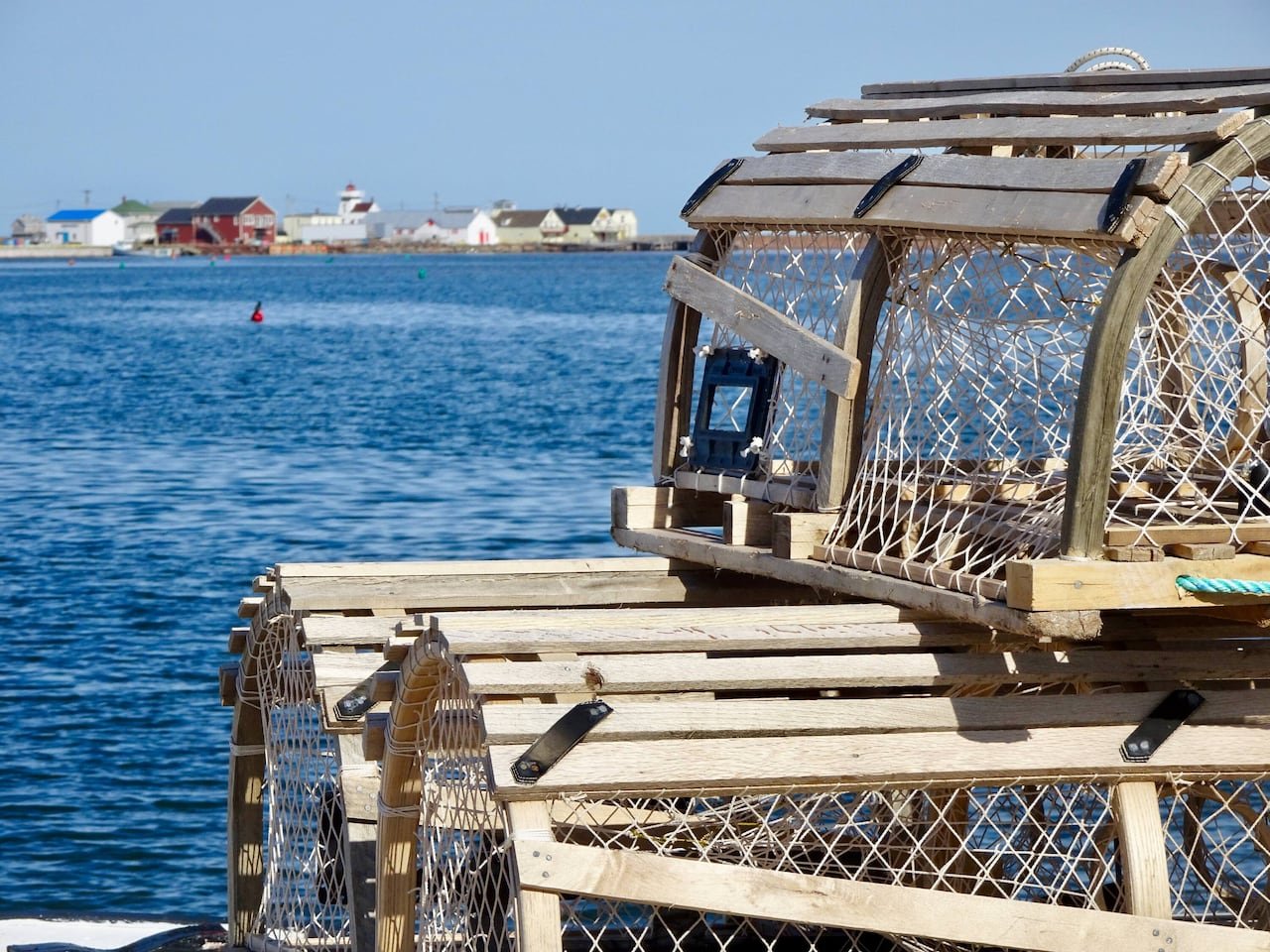
Bernie Berry, a senior fisheries consultant with the Coldwater Lobster Association in Yarmouth, N.S., was among the observers of the study.
He emphasized that the industry relies on DFO-produced data to make informed choices and adapt to potential environmental and fisheries management changes.
“Over time, increased knowledge aids in critical assessment and provides deeper insights into the impacts of specific harvest regulations introduced to a fishery,” Berry remarked.
MORE TOP STORIES
- <li class="similarLinkItem
