
Ottawa’s upcoming federal budget will showcase the “Buy Canadian” initiative, set to be fully operational by next spring, as per a senior federal insider. The plan’s initial phases could commence as soon as November, with full implementation slated for 2026.
The anonymous source, privy to the government’s strategies but unnamed by CBC News, emphasized the critical role of the November budget in propelling the policy forward, expecting new funding allocations to be integral. The source noted the challenge of crafting an assertive “Buy Canadian” policy while adhering to existing free trade agreements, with uncertainties remaining regarding the necessity of additional legislation or expenditure.
Finance Minister François-Philippe Champagne, Industry Minister Mélanie Joly, and Procurement Minister Joël Lightbound are actively engaged in the initiative, with Lightbound spearheading its execution. The Prime Minister’s Office did not confirm the details but hinted at forthcoming revelations in the budget scheduled for November 4.
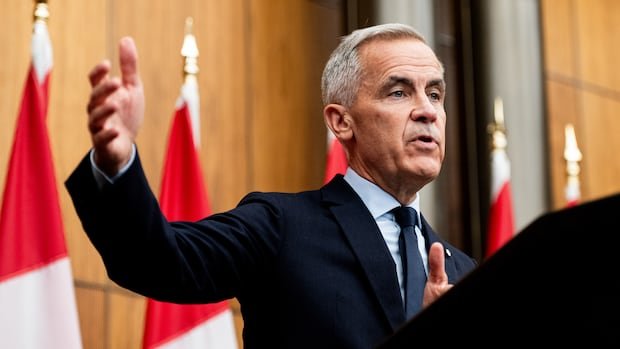
The proposed policy aims to prioritize Canadian suppliers in federal expenditures, aligning with Prime Minister Mark Carney’s recent announcements to fortify the domestic economy against global trade disruptions. The strategy encompasses various supports for industries affected by tariffs, including workforce training, financial aid, and the implementation of a “Buy Canadian” protocol.
According to a government backgrounder, the policy will mandate the sourcing of key materials from Canadian companies in defense and construction contracts exceeding specified thresholds, extending the obligation to infrastructure projects and federal agencies. The steel industry’s push for a formal “buy Canadian steel” directive underscores the need to protect domestic jobs and reduce reliance on foreign imports.
While a shift towards domestic procurement could boost the economy, challenges lie ahead, particularly in sectors heavily reliant on foreign components, like renewable energy. Concerns around potential trade violations and the impact on global trade systems are also raised, highlighting the delicate balance required in implementing a robust “Buy Canadian” policy.

