
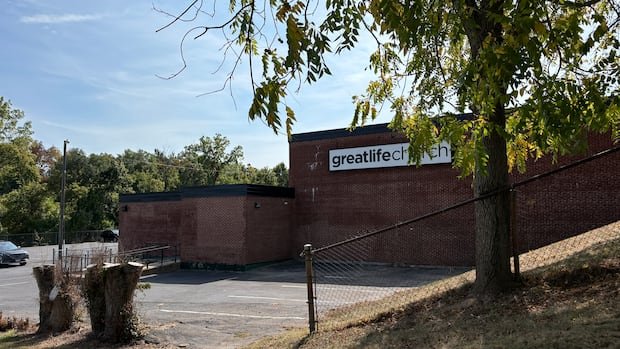
A lawsuit filed by a Muslim charity claims that a lease agreement with a landlord was terminated following alleged Islamophobic remarks made by a Hamilton pastor during a recent service. The Toledo Foundation had intended to use the new space for its Islamic school, affecting numerous children who had planned to attend in the fall. The lawsuit, lodged in Ontario Superior Court on Sept. 17, targets Great Life Church and the building’s owner in Stoney Creek, Hamilton.
The foundation asserts that the church and the company, identified as 1000568865 ONTARIO INC., violated its human rights by breaching the lease agreement and acting in “bad faith” under the church’s influence. The charity is seeking economic damages as a result. Muneeza Sheikh, the founding partner of Muneeza Sheikh Employment & Human Rights, representing the foundation, emphasized that the issue extends beyond Islamophobia in Canada to the erosion of Canadian values regarding diversity and inclusion.
Responding to the allegations, the property company’s lawyer, James Tuck, refuted the human rights claims as “false, defamatory, and libelous,” pledging a vigorous defense and potential countersuit. The church was contacted for comment but did not respond prior to publication. None of the claims in the lawsuit have been tested in court.
In a contentious video sermon posted during lease negotiations, the pastor expressed opposition to an Islamic group sharing the building, citing concerns about the religion and urging financial support to secure the space for a Christian school. The foundation condemned the pastor’s remarks as hateful and Islamophobic, violating human rights legislation.
The Toledo Foundation aimed to lease part of a former public school building for its Islamic school, but the church’s alleged interference led to uncertainty and eventual cancellation of the agreement. The foundation managed to secure an alternative location but lamented the loss for parents seeking an Islamic education for their children.
The lawsuit details the timeline of events, including the foundation signing a lease agreement, subsequent delays and vagueness from the company, and the emergence of the contentious video. The company’s lawyer cited concerns about breaching the church’s exclusive rights to worship on Sundays within the building, emphasizing the need to address legal and commercial aspects of the lease.
The company denies responsibility for the pastor’s statements and claims that the video did not influence their decision-making process. The case underscores the clash between religious freedoms and discriminatory practices, highlighting the challenges faced by marginalized communities.

