
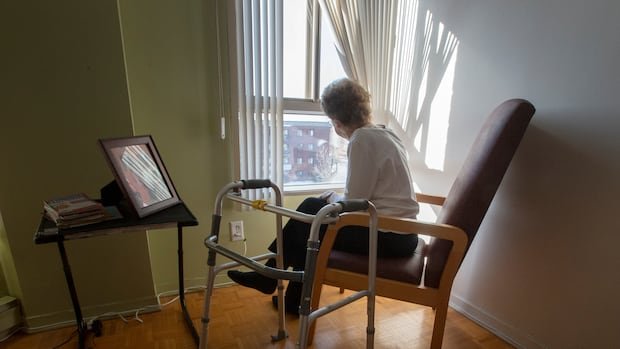
A group of seniors organizations in Manitoba is urging the provincial government to address the limited housing options and deteriorating living conditions faced by older individuals. They have outlined key priorities for the upcoming seniors advocate in the province.
Carmen Nedohin, former chair of the Manitoba chapter of the Canadian Association of Retired Persons, emphasized the urgency of taking action to prevent escalating challenges in the future. The coalition, along with Nedohin and other advocates, convened a news conference to present critical issues for the province’s first seniors and elders advocate.
Earlier this year, the government committed to establishing an independent seniors advocate office by November 1. The advocate will be responsible for assessing seniors’ concerns and providing recommendations on various government services, including housing and healthcare. Nedohin expressed gratitude for the advocate’s impending appointment, highlighting the significance for Manitoba’s senior population.
A central concern raised by the coalition is the need for substantial improvements in available housing options for seniors. The cost of assisted living facilities, primarily provided by the private sector, ranges from $3,000 to $6,000 monthly, exceeding the affordability for many seniors living on limited pensions.
Kathy Mallet, a board member of the Manitoba Seniors Equity Action Coalition, stressed the worsening situation, particularly affecting First Nation communities where elders often face financial barriers to accessing suitable housing. The coalition’s priorities for the new advocate include reviewing existing housing options and addressing service accessibility gaps for various groups.
Tom Simms, another board member of the coalition, called for policy changes to develop affordable housing units for seniors, suggesting a mix of public, non-profit, and private sector funding. The advocate is expected to possess investigatory powers to address individual complaints and systemic issues faced by seniors, mirroring the provincial advocate for children and youth.
Moreover, the coalition seeks a review of Manitoba’s homecare system to enhance employee conditions, bolster staff recruitment, and support older adults effectively. They propose establishing an advisory council comprising representatives from across Manitoba to guide the advocate’s office and assess recommendation outcomes.
Simms emphasized the importance of evaluating the cost and effectiveness of long-term care institutions, moving towards evidence-based decision-making. While immediate implementation of recommendations is not anticipated, the coalition aims for progressive changes to address ongoing challenges and enhance the future well-being of seniors in Manitoba.
The identity of the appointed seniors advocate in Manitoba has not been disclosed yet. Responding to the seniors’ feedback, the Ministry of Health spokesperson affirmed the government’s commitment to enhancing services for seniors and indicated ongoing efforts to strengthen their support systems.

