
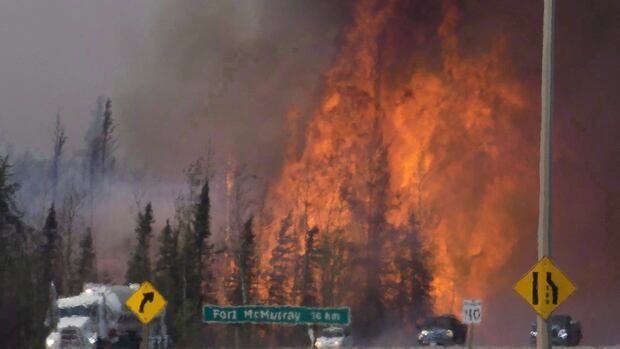
A series of catastrophic wildfires in places like Jasper, Lytton, Los Angeles, and Fort McMurray in recent years have left a trail of devastation, claiming lives and wreaking havoc on communities and economies. A new study, detailed in the journal Science, reveals a concerning global trend where these highly destructive wildfires, fueled by climate change, are on the rise worldwide.
John Abatzoglou, a professor at the University of California Merced and co-author of the study, emphasized that the increasing frequency of wildfires is no longer a matter of if they will occur but rather when they will strike. The research, leveraging data typically accessible only to insurance and financial entities, draws on information from Munich Re, a re-insurance company, to illustrate a significant surge in devastating fires in recent times.
Analyzing the 200 most economically damaging wildfires between 1980 and 2023, the study indicates a sharp uptick in their occurrence post-2015. The data also reveals a threefold increase in fires resulting in ten or more fatalities over the study period. Since 1980, there have been 43 wildfire disasters exceeding $1 billion US in costs, with half of them occurring in the past decade.
Abatzoglou attributed this alarming trend to a combination of warmer, drier climates and the expanding presence of populations and assets in fire-prone regions. The study underscores the urgent need for proactive measures to mitigate fire risks, with a particular focus on adapting to the evolving threat landscape posed by escalating wildfires.
Jason Thistlethwaite, a University of Waterloo professor specializing in climate disaster economics, highlighted the imperative for Canada to address wildfire risks as a national priority akin to major industrial projects. This entails substantial investments in readiness initiatives, ranging from vegetation management to community awareness programs like FireSmart.
Moreover, the study points to heightened fire vulnerabilities in regions like Western Canada and the U.S., signaling a critical need for strategic resource allocation and enhanced preparedness efforts. Thistlethwaite emphasized the importance of leveraging available data on high-risk areas to optimize response strategies and empower communities to navigate the evolving climate risks effectively.
Efforts are underway to enhance public access to climate risk information, including fire-related data, to facilitate informed decision-making and encourage proactive measures to safeguard against wildfire threats. Thistlethwaite’s ongoing project aims to democratize critical risk data, enabling individuals and local authorities to make informed choices in safeguarding against climate-related hazards.

