
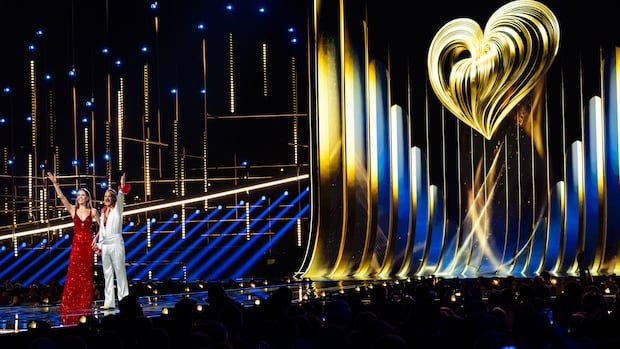
Eurovision, a combination of pop competition, TV spectacle, and global dialogue, has been instrumental in propelling artists like ABBA and Céline Dion to stardom. With a 70-year history, the event has provided exposure for numerous countries’ cultures and even inspired the movie “Eurovision Song Contest: The Story of Fire Saga.”
The Grand Final of this year’s Eurovision in Vienna is set to draw tens of millions of viewers, featuring 25 acts from various nations vying for the top spot. Among the contenders are host country Austria, automatic qualifiers such as France, Germany, Italy, the United Kingdom, and Spain, collectively known as the “Big Five,” with the latter abstaining this year due to objections over Israel’s participation.
The contest operates on the selection of performers and original songs by broadcasters from European Broadcasting Union (EBU) member countries through national finals or internal selections. This year’s event showcases a blend of polished pop, heartfelt ballads, and vibrant staging, against a political backdrop influencing media coverage and fan responses.
While Eurovision initially focused on European participants, affiliations and arrangements have expanded inclusion. Associate members like Australia, and non-European entrants like Israel, have successfully participated, with broadcasters like CBC/Radio-Canada maintaining ties with EBU.
Austria’s victory in the previous year’s event earned it the hosting rights for Eurovision 2026, showcasing Vienna as a hub for the world’s largest televised musical competition.
Eurovision is broadcast globally, with European public broadcasters airing the show live, and some opting out due to various reasons. Local commentary accompanies the live shows in participating countries, while the official YouTube channel offers live streaming to an international audience.
The competition’s winner is determined by a 50/50 split between professional national juries and public televoting, with specific rules varying across broadcasters. The voting process often reflects a blend of jury preferences and popular voting trends, influenced by factors like diaspora voting and regional alliances.
The event’s appeal lies in a mix of music, spectacle, and worldwide viewership. Memorable performances, diverse jury opinions, and community engagement are expected outcomes, making Eurovision a highly anticipated and widely discussed live broadcast each year.

