
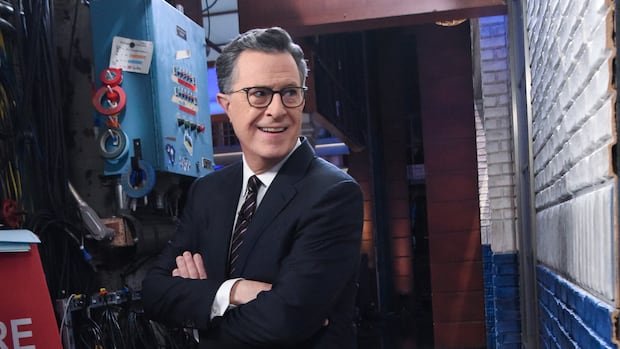
From the iconic Ed Sullivan Theater in New York City emerges the familiar announcement, “It’s Stephen Colbert!” This evening marks the final episode of The Late Show with Stephen Colbert after an impressive 11-season run. Colbert’s departure signifies the end of an era characterized by his sharp monologues, engaging celebrity interviews, and incisive political satire.
Last July, Colbert shared with viewers that CBS had decided to end the show at the conclusion of his contract. While Paramount and CBS executives cited financial considerations amid a challenging late-night landscape, they emphasized that the decision was not reflective of the show’s performance or content.
Interestingly, the show’s cancellation announcement closely followed Colbert’s public criticism of Paramount Global, CBS’s parent company, for settling a lawsuit with former U.S. President Donald Trump related to a 60 Minutes segment.
Many industry observers believe Colbert’s departure will create a significant void in late-night programming. However, they also acknowledge the need for the format to evolve in response to the growing dominance of streaming services, a shift that may already be underway.
Colbert’s legacy as a keen social commentator and political satirist has left a lasting impact on late-night television. His ability to hold a mirror to American society and challenge the political and media establishments has been widely praised.
The future of late-night television remains uncertain post-Colbert, with experts suggesting that the format will need to adapt to changing viewing habits. As audiences increasingly consume content on digital platforms, late-night shows must explore new revenue streams and engagement strategies to remain relevant.
Despite the challenges ahead, late-night television’s role in shaping public discourse and fostering civic engagement remains paramount. As Colbert bids farewell, his departure prompts reflections on the evolving landscape of late-night TV and the enduring influence of satirical commentary on contemporary society.

