
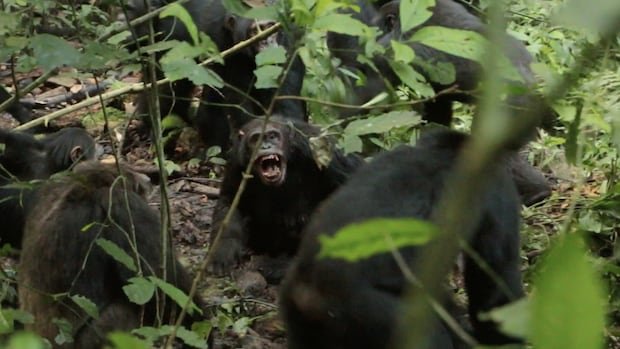
A recent study published in Science sheds light on a violent conflict that erupted among a group of approximately 200 chimpanzees in Uganda after years of peaceful coexistence. The lead researcher, Aaron Sandel, witnessed the first chimp killing and expressed shock at the sudden aggression among the animals he had known well for years.
The chimpanzees, residing in Ngogo within Uganda’s Kibale National Park, had previously lived harmoniously despite coming from different neighborhoods. However, a noticeable shift occurred in 2015 between the western and central groups, leading to a split and subsequent violent clashes. Over the years, the western group reportedly killed 24 chimps from the central group, including 17 infants.
Primatologist Iulia Bădescu highlighted the unique aspect of this conflict, emphasizing that these chimpanzees had close relationships, some even being related. This transition from companionship to hostility was unprecedented and concerning. Researchers, including John Mitani, are puzzled by the reasons behind the group’s split and violent turn, speculating that factors like group size, feeding competition, and changes in leadership dynamics played a role.
While drawing parallels between chimp and human conflicts, Sandel emphasized the absence of identifiable divisions like religion or ethnicity among chimpanzees, suggesting that focusing on interpersonal relationships and reconciliation could offer insights for resolving conflicts. Mitani shared a hopeful perspective, noting humans’ innate pro-social tendencies and ability to coexist peacefully in most cases.
As researchers continue to monitor the ongoing violence among the chimpanzee groups, the complexities of their behavior and the lessons it may hold for human conflict resolution remain subjects of interest and concern in the scientific community.

