
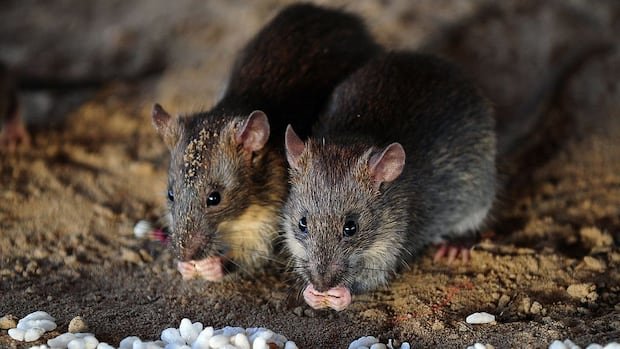
A recent study conducted at the University of Calgary has revealed that rats experience increased hunger, commonly known as “the munchies,” after exposure to cannabis vapour. Dr. Matthew Hill, a neuroscientist from the university, observed a significant rise in the rats’ food consumption within the first hour of exposure to cannabis.
Contrary to the belief that the munchies are merely a placebo effect, the research demonstrated a tangible physiological response in the rats. Previous animal studies primarily used injectable cannabinoids, such as THC, which differ in their behavioral impact compared to inhalation, the most common method of cannabis consumption among humans.
The joint research project with Washington State University shed light on how rats exhibit cravings even when full after being exposed to cannabis. Interestingly, the rats showed a preference for various types of food, regardless of their composition, debunking the assumption that they would favor carbohydrates.
In a parallel study involving human participants at Washington State University, individuals displayed a strong preference for beef jerky when given a selection of foods while under the influence of cannabis. These findings have important implications for medical cannabis use, particularly in managing conditions like chemotherapy-induced nausea and eating disorders.
Dr. Keith Sharkey, a researcher at the University of Calgary specializing in digestion and nausea, emphasized the significance of these findings in understanding the physiological effects of cannabis on appetite regulation. The study underscores the fundamental role of the cannabinoid system in controlling food intake and energy balance across different mammalian species.
While the study offers promising insights, registered dietician Grace Beda cautioned against viewing cannabis as a definitive solution for appetite issues in medical settings. Clinical evidence regarding the efficacy of cannabis for significant weight gain remains inconclusive, and the preferred method of ingestion for patients undergoing cancer treatment is not smoking or vaping.
Overall, the study’s comprehensive examination of the munchies phenomenon in rats and humans contributes valuable information to the ongoing research on cannabis effects on appetite regulation.

