
The Canadian Liberal government has decided to break away from the long-standing tradition of presenting a spring budget and will now follow a more recent practice, inspired by the U.K., of delivering all upcoming budgets in the fall, as announced by Finance Canada on Monday. This shift will also involve moving the government’s fiscal update from the fall to the spring.
This change is part of the Liberal government’s fresh approach, which involves segregating day-to-day operational spending from capital investments in the November 4 budget. Despite the separation, Finance Canada will still provide a single overall deficit figure during budget presentations.
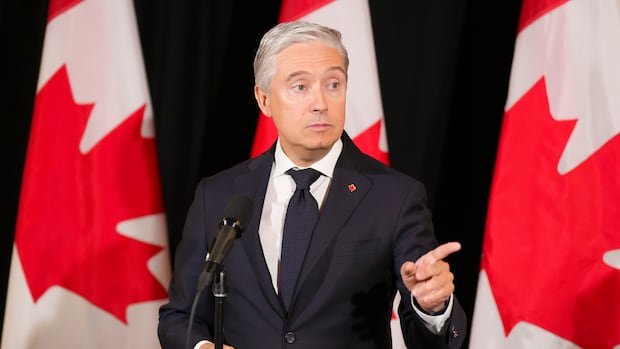
“By transitioning to a fall budget cycle and implementing a new capital budgeting structure, we aim to make well-timed and transparent decisions to facilitate generational investments,” stated Finance Minister François-Philippe Champagne.
Government sources, speaking anonymously during a technical briefing, mentioned that a fall budget will assist organizations relying on federal funding to administer programs by offering a clearer financial picture before the fiscal year commences in April. Additionally, the altered schedule will enable businesses to prepare well in advance for the construction season, expediting project commencement.
Releasing the budget considerably ahead of the spring main estimates will allow Members of Parliament to better oversee planned expenditures. This new framework fulfills a commitment made by Prime Minister Mark Carney during the previous federal election campaign.
According to Finance Canada’s background document released on Monday, capital investment encompasses any government expenditure or tax benefit contributing to capital formation in the public or private sector, on the government’s or another entity’s balance sheet. The focus will be on two types of capital outlays: funding provided to entities for infrastructure development and government expenditures facilitating capital investment in specific sectors or projects.
Finance Minister François-Philippe Champagne emphasized that the deficit calculation and debt recording methods remain unchanged. He assured that the government is progressing towards balancing operational spending for routine governance within three years.
During a session at the House of Commons finance committee, Conservative MP Pat Kelly challenged Champagne’s commitment to balance Canada’s operating budget by 2028-29, suggesting that the budget may never achieve equilibrium under the current government. Champagne reiterated that the overall deficit number would still be provided and emphasized the government’s adherence to fundamental accounting principles.
Champagne defended his government’s spending decisions, highlighting Canada’s investments in infrastructure, defense, housing, and other key sectors to revamp the economy post the U.S. trade conflict. The government aims to clarify the distinction between operational expenses and long-term investments for the benefit of Canadians.

