
The government of Ontario is set to implement new stipulations that may reduce the number of residency positions available for doctors trained abroad, despite the ongoing shortage of physicians in the province.
International medical graduates, hailing from countries such as the U.K., Australia, or the Caribbean, will now need to have completed a minimum of two years of high school education in Ontario to be eligible for the province’s initial residency matching process.
Those aspiring to secure a residency in Canada must navigate the CaRMS application process, which is the national agency responsible for matching doctors with residency programs.
However, physicians throughout Ontario express that this policy change is leading to “unintended” outcomes.
Filipe Santos, an anesthesiologist from Toronto who himself trained internationally, emphasized the necessity of having a medical workforce that mirrors the diversity of the general population.
“We need doctors trained in Canada, and I would never dispute that,” he remarked. “Yet, we also require immigrants. Those internationally trained doctors with diverse experiences are crucial for serving our community.”
Applications for residency can vary significantly based on factors such as specialization, province, and educational credentials. Typically, international medical graduates are required to take one or more examinations as they prepare for the initial matching round.
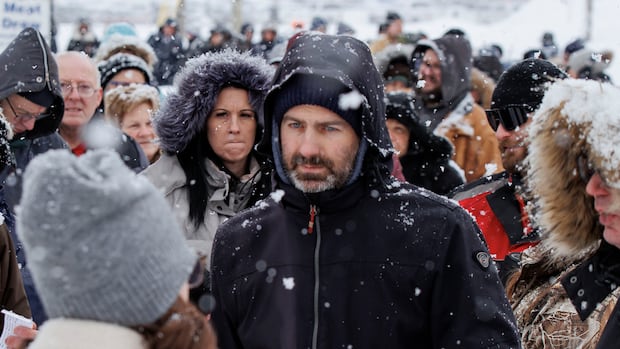
More than 1,000 people lined up in the snow in Walkerton, Ont., on Wednesday to try to get a family doctor — but only the first 500 would be successful.
As the first round of matching is already underway, many applicants are feeling frustrated, as noted by Ontario Medical Association president Zainab Abdurrahman during her interview on CBC Radio’s Metro Morning.
“Changes to the regulations right when you’re preparing to submit your paperwork can really disrupt the process,” she explained. CaRMS mentioned in an email that the initial round will conclude on November 27.
Previously, over 1,200 international medical graduates were eligible applicants for the initial residency matching in Ontario. This number is now projected to decline to merely 170, according to a news release from the OMA’s section of general and family practice.
‘This is very discriminatory’
Santos expressed that this reduction is simply inadequate.
“We feel compelled to excel beyond expectations just to be considered on par with other Canadian-trained physicians,” he remarked. “Pursuing a license often leaves one feeling inadequate.”
CaRMS stated in their email that Ontario stands alone in imposing such eligibility criteria, though other provinces, like Nova Scotia and New Brunswick, have their own application streams for internationally trained physicians, provided they can demonstrate a connection to those regions.
The second round of Ontario’s matching will include unassigned positions from the first round. For this round, international medical graduates will not be subject to the two-year high school requirement in Ontario. However, candidates for this second round will face competition from Canadian-trained doctors who did not secure a match in the first round.
“This is very discriminatory,” Santos asserted. “We’re effectively creating two classes of citizens: those born here and those who immigrated.”
A representative from Ontario’s Ministry of Health indicated that the changes in criteria are designed to prioritize residents who are educated within the province while holding international medical degrees.
“Our government is committed to ensuring local post-graduate training opportunities while also enhancing our healthcare workforce to provide accessible care for everyone across the province,” Ema Popovic stated in an email.
Around 2.5 million Ontarians without a doctor: research network
Abdurrahman acknowledged the province’s efforts to reintegrate Ontarians into the workforce. Nonetheless, she noted that physicians committing to training in Ontario must also sign a legally binding contract that obligates them to practice in the province for a minimum of five years.
“Once they settle into their practice, possibly start a family, physicians often remain in that community,” she noted.
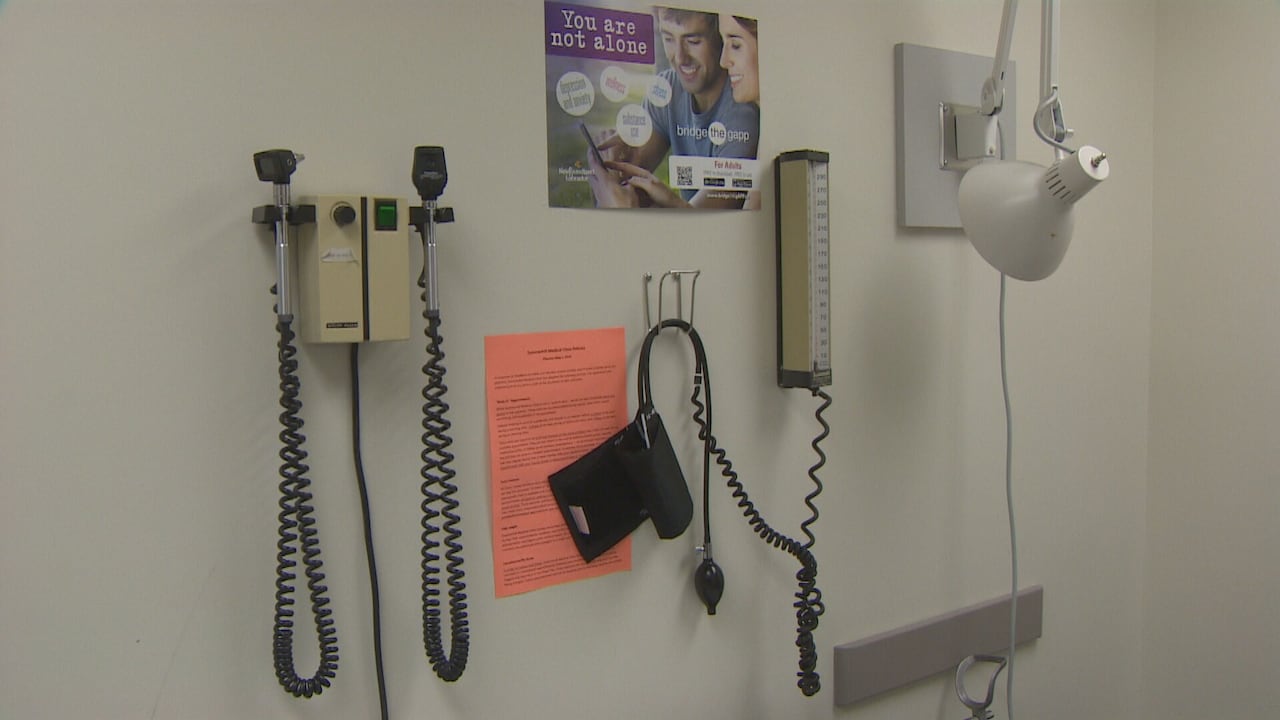
Prior to the new requirements, the number of available spots for international medical graduates at Ontario residency programs was 1,200. Now, it’s just 170. (Mark Quinn/CBC)
Abdurrahman revealed that the Ontario Medical Association has been in discussions with the provincial government regarding these changes as they may lead to a decrease in applicants.
“Regrettably, this type of policy is resulting in many unintended repercussions,” she stated. “We might be undermining the progress we have worked so diligently to achieve.”
CaRMS indicated that the effect of the new requirements will only be assessed at the conclusion of the initial matching round.
Nevertheless, the province is already in urgent need of physicians. Approximately 2.5 million residents in Ontario were without a family doctor as of last June, according to INSPIRE-PHC, a health research network.
“Narrowing the pool of applicants for these positions could lead to a significant number of unfilled spots within our system, which is something we want to avoid,” Abdurrahman expressed.
The chair of the OMA’s section of general and family practice, David Barber, expressed in an email statement that he initially thought he had misread the new criteria when he first encountered them.
“We are in urgent need of more family physicians in Ontario. If a new doctor has completed their medical education, I cannot fathom why we would hinder their residency placement based on their high school background,” he stated.
“We should be facilitating opportunities, not restricting them.”

