
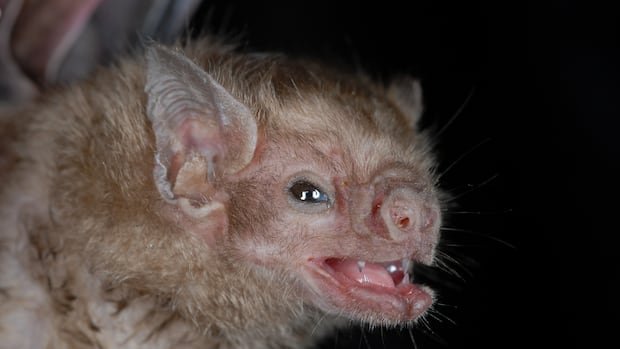
A comprehensive study of bat genomes from all 21 modern bat families, along with an analysis of numerous fossil bats, has reportedly put an end to the debate on the origin of bats. The study, published in the journal Nature, suggests that the earliest bats likely evolved in Europe approximately 65 million years ago.
Previously, there was uncertainty among scientists regarding whether bats could have originated from Asia, Africa, or North America due to limited fossil evidence. Sonja Vernes, the senior author of the study and director of the Bat1K consortium, explained that bats, being capable of flight, have been dispersing across the globe for millions of years.
By sequencing genomes from 103 bat species and comparing them with 44 bat fossils, researchers were able to determine that ancient bats had 26 chromosomes and first appeared around 65 million years ago. Notably, echolocation evolved early in bat history, with the fossil bat Vielasia, dating back 50 million years, showing signs of echolocation ability.
The study revealed the intricate relationships among the 1,500 bat species worldwide, accounting for approximately a fifth of all mammal species. The data collected from this study, now publicly available, could provide valuable insights into bat longevity and their resilience against viral diseases, potentially leading to innovative healthcare treatments inspired by bats.
Furthermore, the study involved a collaboration of 600 researchers worldwide, including Canadians like Burton Lim from the Royal Ontario Museum, who contributed significantly to the genome testing by providing samples primarily from tropical regions. The availability of a vast database of bat genomes is expected to facilitate further research on various aspects of bat biology, including echolocation and genetic adaptations.
In conclusion, the study sheds light on the complex history of bats and their crucial roles in ecosystems, emphasizing the importance of preserving genetic diversity within bat families for conservation purposes. The extensive genomic data generated by this study is poised to be a valuable resource for future research on bat evolution and unique mammalian traits.

