
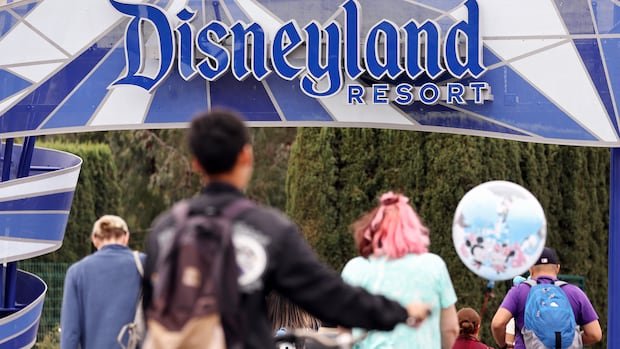
The Walt Disney Company is currently facing a class-action lawsuit regarding its implementation of facial recognition technology at Disneyland’s theme park entry points. Allegations in the lawsuit claim that the company has breached visitors’ privacy rights and consumer protection laws by not adequately disclosing the use of biometric data collection, particularly concerning minors.
The legal action, filed by New York attorney Blake Hunter Yagman on behalf of lead plaintiff Summer Christine Duffield, a parent from California, who visited Disneyland and Disney California Adventure Park with her children recently. Despite attempts to reach out to Disneyland for comment, no response has been received yet. A spokesperson from Disneyland Resort was quoted in The Hill stating they dispute the claims made by the plaintiff, asserting that they prioritize safeguarding guests’ personal information.
Disneyland introduced facial recognition technology at the entrances of Disneyland Park and Disney California Adventure Park in April as a measure to streamline reentry processes and combat fraud, as stated on the company’s website. The system involves capturing visitors’ images at facial recognition entry lanes and matching them with images obtained when tickets or passes were initially used, converting them into unique numerical values. The collected data is typically deleted within 30 days, except when required for legal or fraud-prevention purposes.
Regarding visitor consent, Disneyland clarified that participation in facial recognition is optional, although visitors who opt out may still have their images taken for manual ticket validation at the lanes. Despite efforts to inform guests through new signage and dedicated entrance lanes for those avoiding facial recognition, the lawsuit argues that the signage is easily overlooked, and the alternative entrances are insufficient and unclear, referencing a report from the Los Angeles Times.
The lawsuit highlights the potential risks associated with biometric data, emphasizing that if compromised, such information could be linked to sensitive personal records like credit cards or government-issued IDs, posing a significant fraud risk. The plaintiff’s legal team advocates for explicit opt-in consent with written approval for utilizing facial recognition technology to protect privacy rights.
The class-action lawsuit is pursuing a minimum of $5 million in damages.

