
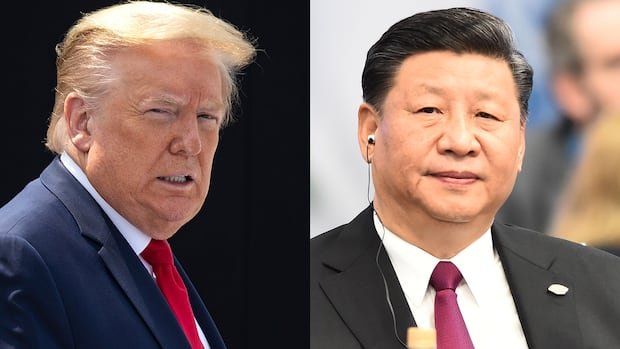
China’s control over the rare earth minerals market gives it significant influence over the U.S., despite a recent trade framework agreement between the two nations. U.S. President Donald Trump and Chinese President Xi Jinping are scheduled to meet at the Asia-Pacific Economic Cooperation summit in South Korea. This meeting follows escalating trade tensions between the two countries, including high tariffs and strategic economic moves by China.
While both countries expressed optimism about averting tariffs shortly before the leaders’ meeting, there are lingering uncertainties in the U.S.-China relationship. The potential trade agreement, as announced by top officials from both sides, includes provisions such as transferring TikTok’s U.S. operations, resuming soybean purchases from American farmers, and delaying export controls on rare earth minerals by China for a year.
Experts view this agreement as a crucial step towards stabilizing the bilateral relationship between the world’s top economies. However, challenges such as trade imbalances, China’s overcapacity, security issues in the South China Sea, and technological competition remain unresolved and are not expected to be fully addressed during the upcoming meeting between Trump and Xi.
The recent expansion of China’s export rules on rare earth minerals underscores Beijing’s strategic advantage in this critical market. With China holding a near-monopoly on rare earth minerals, essential for various industries, including technology and defense, the country has wielded its dominance effectively in the trade war negotiations. In response, the U.S. is attempting to catch up by signing agreements with allies like Japan and Australia to secure critical minerals supplies.
As Trump and Xi prepare to meet, their domestic political situations also play a role in shaping their negotiating positions. Xi’s consolidation of power and focus on self-reliance in technology contrast with Trump’s handling of a potential government shutdown in the U.S. Despite these challenges, the outcome of the leaders’ meeting holds significant economic implications for the global economy.
In conclusion, the Trump-Xi meeting carries high stakes for both countries and the world at large. As the two economic giants navigate their complex relationship, the implications of their decisions extend far beyond their borders.

