
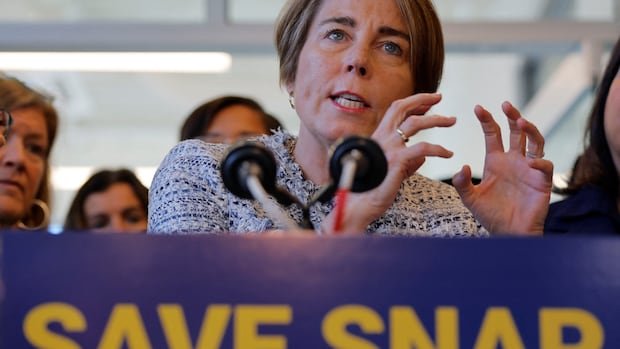

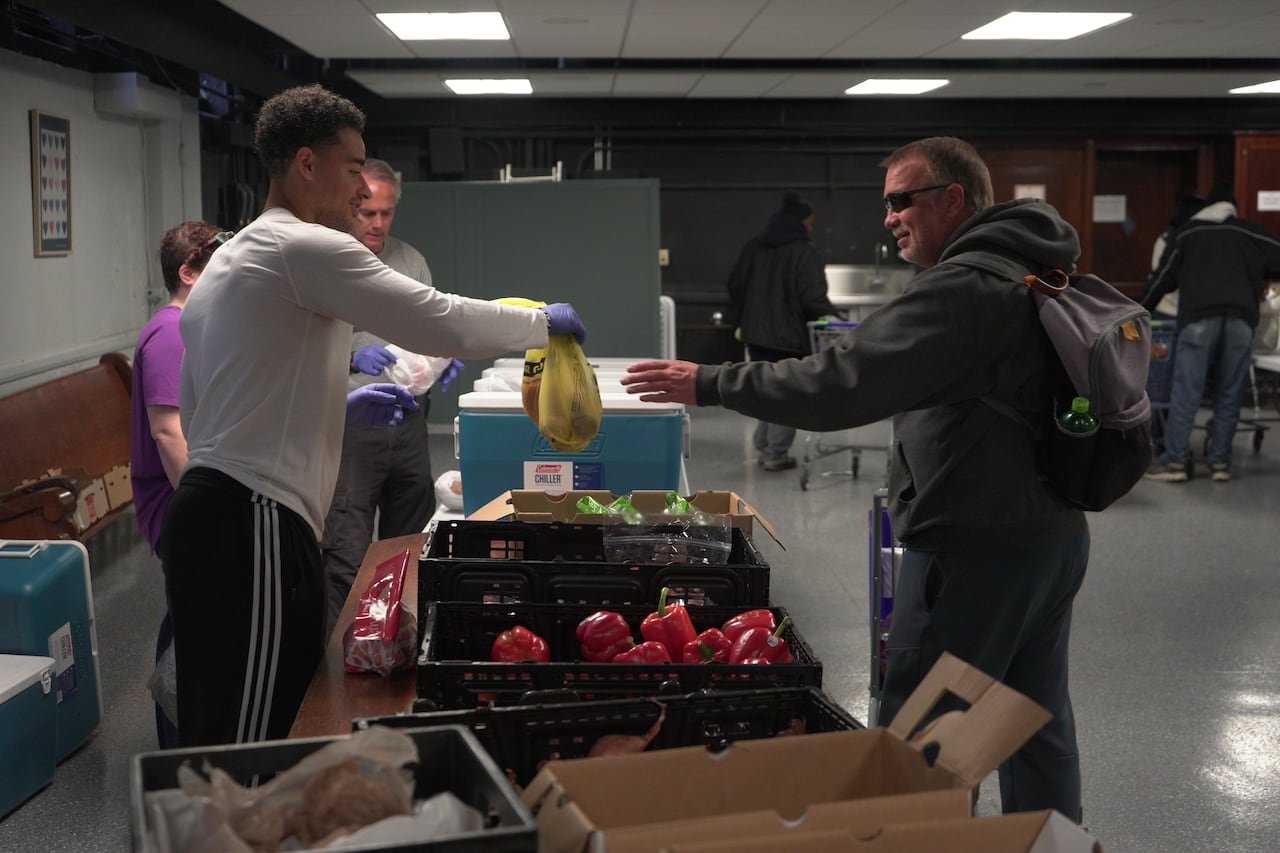
Several U.S. states are cautioning recipients of food aid that their benefits might not be distributed starting this Saturday if the federal government shutdown extends into its fourth week.
Notices posted on approximately two dozen state websites highlight the risk of a significant benefit gap in November for individuals dependent on the Supplemental Nutrition Assistance Program (SNAP), commonly known as food stamps, and the nearly seven million beneficiaries of the Special Supplemental Nutrition Program for Women, Infants, and Children (WIC).
The ongoing shutdown, initiated on October 1, has now become the second-longest in history.
Families with low incomes eligible for SNAP receive monthly debit cards funded by the federal government, usable only for purchasing groceries at authorized stores and farmers’ markets. This program, supporting approximately 41.7 million people, distributed an average of $187 monthly, impacting around one in eight Americans.
In the fiscal year ending on September 30, 2024, SNAP incurred a total cost exceeding $100 billion, inclusive of half of the state administrative expenses subsidized by federal taxpayers.
States’ Limited Options in Addressing the Void
Democratic senators, House representatives, and mayors penned a letter to Agriculture Secretary Brooke Rollins urging the utilization of a SNAP contingency fund, estimated at about $5 billion by the Center on Budget and Policy Priorities, to cover November benefits. This fund represents 60% of the cost for one month’s benefits.
However, the USDA announced on Friday that it would not access these funds, reserving them instead for responding to natural disasters and other emergencies.
A communication from the department stated, “In essence, the resources are depleted. As of now, there will be no benefits issued on November 01. Senate Democrats are approaching a critical decision point.”
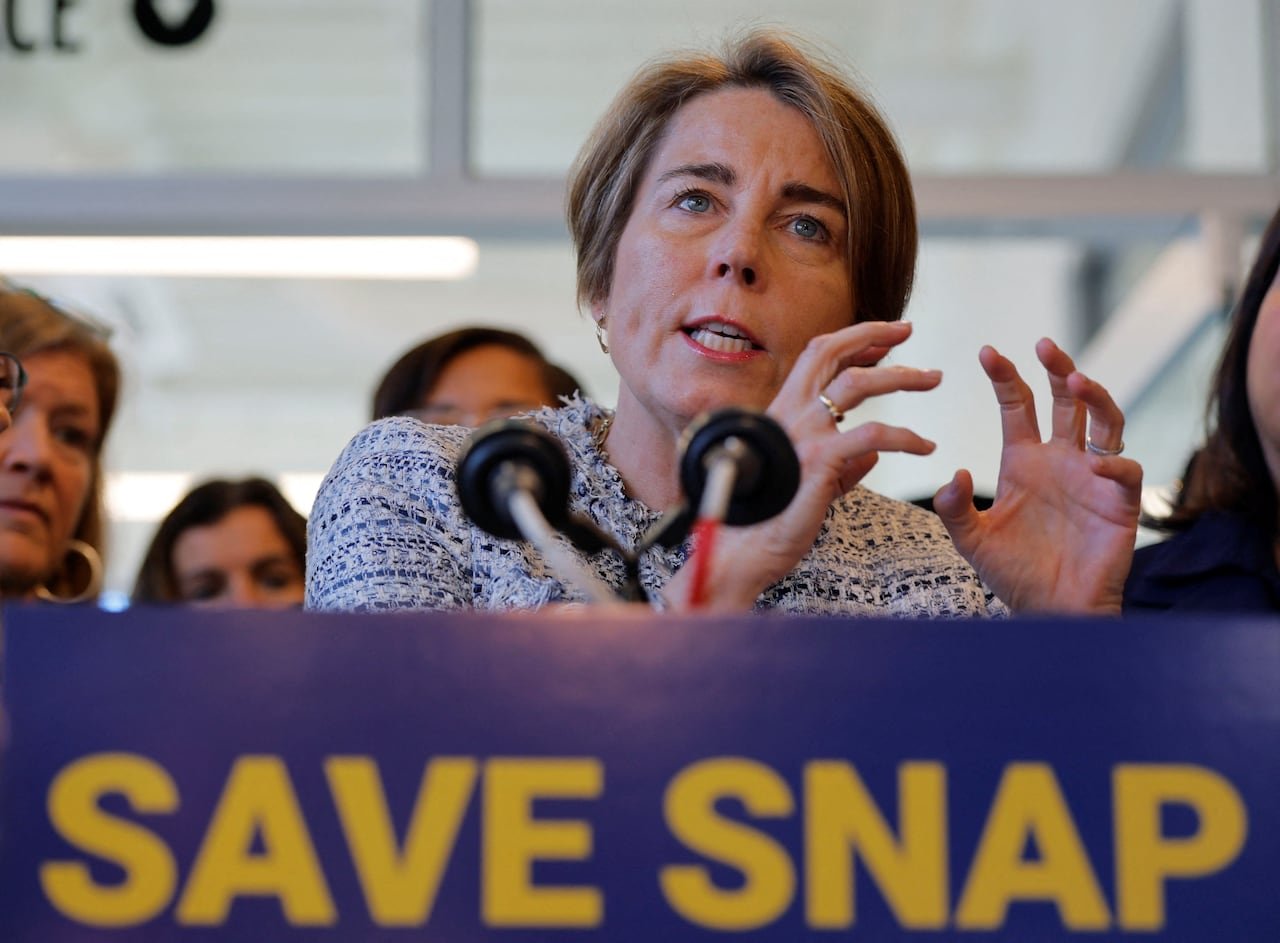
The unusual political tone in the government agency’s message reflects Democrats’ withholding of votes on a spending bill. They insist on negotiations with Republicans to extend subsidies under the Affordable Care Act, set to expire for millions at year-end, before agreeing to reopen the government.
Republicans, on the other hand, demand that Democrats first consent to government reopening before engaging in negotiations. Democratic Sen. Chris Murphy of Connecticut accused Republicans and President Donald Trump of reluctance to negotiate.
“The reality is, if they came to the table for negotiations, we could likely find a resolution swiftly,” Murphy stated on CNN. “We could have the government operational by Tuesday or Wednesday, averting any crisis in the food stamp program.”
In the absence of federal action, certain states have taken steps to intervene. California and New York pledged financial support to food banks, while Virginia declared a state of emergency to cover November benefits.
Conversely, some states are finding it challenging to assist SNAP recipients. Alaska’s Department of Health website revealed that although the agency explored using state funds for benefits, it was deemed unfeasible to switch funds from the federal system to the state treasury due to vendor and system constraints.</p
