
The Canadian government has decided to divide its border security bill into two separate pieces of legislation. This move aims to expedite the approval of certain measures while allowing more time for the evaluation of other, potentially controversial provisions.
Introduced as Bill C-12, the new legislation incorporates various components from a previous bill introduced in June. These include enhancements to the Coast Guard’s responsibilities, stricter regulations within the immigration and refugee system, improved sharing of information on sex offenders, and better oversight of chemicals used in the production of illegal drugs.
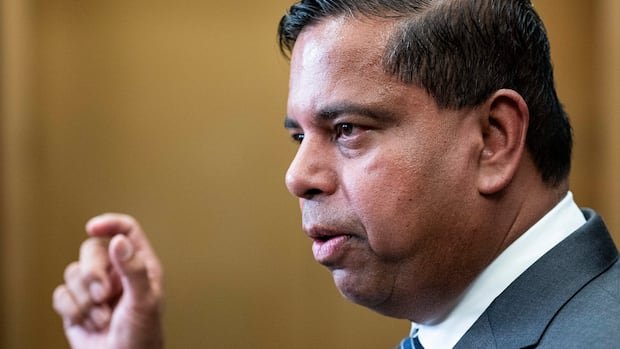
Despite the split, Public Safety Minister Gary Anandasangaree affirmed the administration’s commitment to advancing the original Bill C-2, which includes provisions granting authorities expanded powers to conduct mail searches and access personal data.
The bifurcation of the border security agenda means that the proposals will now progress through Parliament on distinct legislative paths, with Bill C-12 likely taking precedence. Bill C-2 will subsequently navigate its own legislative journey, with overlapping elements from C-12 removed to prevent duplication.
This strategic shift by the federal government, as initially reported by CBC News, has drawn criticism from civil society organizations concerned about potential infringements on civil liberties and human rights posed by the proposed border policies. Critics argue that splitting the bills without addressing underlying issues is insufficient.
Tim McSorley, the national co-ordinator of the International Civil Liberties Monitoring Group, expressed disappointment, calling for both bills to be withdrawn to address fundamental concerns. Similarly, Karen Cocq from the Migrant Rights Network emphasized the need to uphold due process protections for vulnerable individuals and urged the withdrawal of the new bill, citing similarities with its predecessor.
Anandasangaree explained to the press that revising Bill C-2 during the legislative process would be challenging due to strict amendment guidelines. The government’s original intent behind the legislation was to fortify border security, combat organized crime, mitigate the influx of illicit substances like fentanyl, and tackle money laundering.
The legislation was prompted by pressure from the U.S. administration under former President Donald Trump, who raised issues regarding irregular migrant flows and fentanyl trafficking to justify trade tariffs on Canadian exports. While receiving backing from law enforcement agencies, drug control authorities, and child welfare advocates, the bill faced backlash from numerous civil society groups, leading to calls for its withdrawal.
In addition to concerns about asylum restrictions and postal search powers, critics are apprehensive about proposed modifications to the Criminal Code and regulations governing intelligence services that could impact privacy rights and access to internet subscriber information without warrants in urgent situations.

