
Canadian conservationists and wildlife experts express concern following the decision by the Trump administration in July to relax habitat protections for endangered species. The U.S. Department of the Interior announced on July 10 that it was revoking a long-standing definition of “harm” under the Endangered Species Act (ESA).
Various wildlife and environmental organizations criticized the move, stating that it disregards the critical ecosystems on which vulnerable species rely, especially in the face of extensive biodiversity decline and industrial pressures. A lawsuit challenging the repeal has been filed by nearly a dozen groups in U.S. District Court, with the changes set to take effect on September 14.
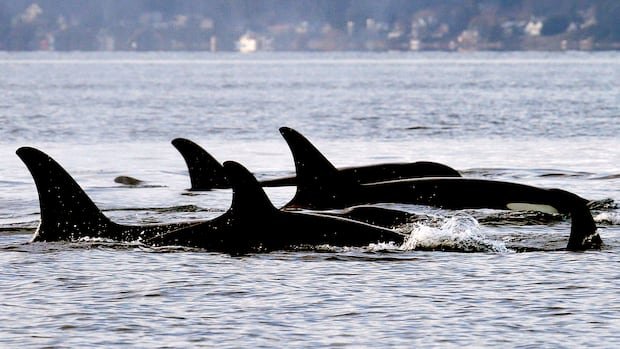
Canadian experts have highlighted the potential impact on animals that traverse the U.S.-Canada border for various reasons such as food, breeding, or migration to avoid harsh Canadian winters. Among the species at risk are migratory birds, northern spotted owls, grizzly bears, and southern resident killer whales, which move between U.S. and Canadian waters seamlessly.
The alteration in the definition of harm under the ESA by the U.S. administration raises significant concerns for Canadian conservationists, as it could jeopardize species that span both countries. The move is viewed as a step back in wildlife protection efforts that have been in place for the past five decades.
Habitat destruction is identified as a primary driver of global biodiversity loss, making it challenging to safeguard animals that rely on specific habitats for survival. The notion that wildlife protection should encompass an animal’s entire geographical range, rather than just specific locations, is gaining traction among experts.
While the focus has been on Trump’s environmental policies, there are also apprehensions about Canada’s direction. Prime Minister Mark Carney’s government is contemplating measures to expedite permitting for major infrastructure projects, potentially affecting species-at-risk assessments. Conservationists stress the importance of enhancing laws and protections for wildlife in both the U.S. and Canada.
Efforts are underway to gather feedback on proposed legislative and regulatory changes in Canada to improve regulatory processes while ensuring environmental protection. The government emphasizes the need to strike a balance between conservation and facilitating major projects efficiently. Canada has reaffirmed its commitment to nature conservation through substantial federal initiatives and collaboration with the U.S. on wildlife and ecosystem preservation in North America.

