
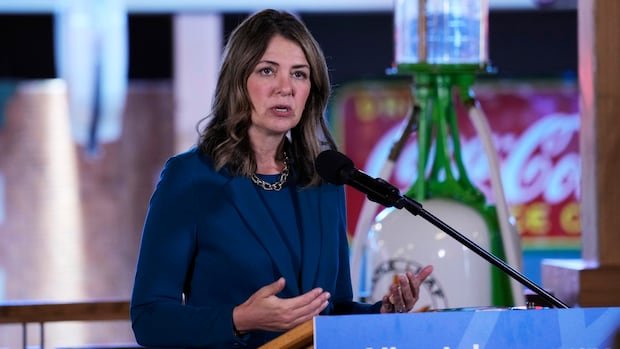
After Alberta Premier Danielle Smith revealed her government’s plan to seek approval from the federal Major Projects Office for a new oil pipeline to the northwest coast of British Columbia, the response was swift and varied. While many groups showed enthusiasm and support for the premier’s proposal, others expressed skepticism, concern, and opposition.
Smith promptly presented her case directly to British Columbia, the jurisdiction most likely to pose obstacles to the project. Stressing the importance of collaboration between Alberta and British Columbia, she emphasized the need for early and successful Indigenous consultations.
However, initial reactions suggested a challenging road ahead. Several First Nations in British Columbia, as well as B.C. Premier David Eby, swiftly voiced their disapproval of Smith’s initiative. Despite lacking a specific route or a private entity to construct and operate the pipeline, the project garnered strong backing from business associations and federal Conservative Leader Pierre Poilievre.
The diversity of opinions regarding Smith’s proposal is evident. Here are some key statements made so far.
### B.C. First Nations
Marilyn Slett, president of the Coastal First Nations-Great Bear Initiative and chief of the Heiltsuk Tribal Council, strongly opposed the pipeline, citing the longstanding community resistance to crude oil tankers following a significant 2016 oil spill. She emphasized the importance of protecting Indigenous territories and ecosystems from potential harm.
### Business Groups
The Canadian Association of Petroleum Producers voiced support for Alberta’s pipeline initiative, emphasizing the need for coordinated efforts and early engagement with Indigenous communities to ensure project success. The Business Council of Alberta echoed this sentiment, underscoring the economic benefits a new pipeline could bring to the energy sector and the broader Canadian economy.
### Climate and Environmental Groups
Critics from organizations like the Pembina Institute and Environmental Defence raised concerns about the risks associated with a new pipeline, pointing to potential environmental impacts and the need for a transition to cleaner energy solutions. These groups highlighted the importance of considering long-term sustainability and climate goals in any development plans.
### Analysts and Others
CIBC analysts expressed cautious optimism about Smith’s pipeline proposal but noted significant challenges ahead, including political and economic hurdles. They highlighted the complexities involved in moving a pipeline project from development to implementation, given the regulatory landscape. Clean Prosperity supported the pipeline idea in conjunction with decarbonization efforts, emphasizing the importance of balancing economic development with environmental sustainability.
The diverse array of perspectives underscores the complexity and contentious nature of the proposed oil pipeline project in British Columbia.

